
The 79-year-old U.S. president recently underwent an MRI scan in October as part of a routine but comprehensive medical evaluation. The scan reportedly covered his cardiovascular system and abdomen. According to the official medical summary released afterward, the imaging showed no abnormalities: his heart, major blood vessels, and abdominal organs were all assessed as healthy and functioning normally.
This is described as “advanced imaging,” performed not because of any specific illness but as a precautionary screening, appropriate for someone of his age. The goal: to catch any potential health problems before they become serious and ensure ongoing well-being and vitality.
What the Results Show
The MRI findings were favourable: there was no evidence of arterial narrowing, heart irregularities, inflammation, or vascular issues. The heart chambers were of normal size, vessel walls appeared smooth and healthy, and no signs of impaired blood flow or clotting were detected. The abdominal scan likewise showed no problematic signs — all major organs looked healthy and well-perfused. In short: both the cardiovascular and abdominal systems were declared “perfectly normal.” This led the White House medical team to conclude that he remains in excellent overall health.
What He—and Officials—Have Said
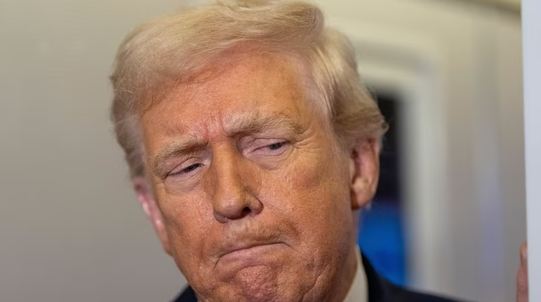
When asked by reporters whether he would make the MRI results public, the president said he had “no idea” which part of his body was scanned — but volunteered to release the results, calling them “perfect.” He added that the scan was not of his brain, pointing to a recent cognitive test that he said he “aced.” White House officials have echoed that the exam was a standard preventive health check, nothing more. They framed it as part of a routine physical generally recommended for people of his age — rather than a response to any known health problem.
Why This Matters — And Why It Raised Questions
At 79, presidential health naturally receives heightened attention. Over the past months, there had been increased public concern about his fitness, stirred partly by images showing swollen limbs or bruising. The lack of detail initially provided about the MRI — particularly what body part was scanned or why the scan was ordered — only fueled speculation. For many observers, the release of the medical summary comes as a relief. It attempts to quash rumors and demonstrate transparency. Still, some critics point out that such “executive physicals,” with advanced imaging, are not a standard medical requirement — they’re often offered as premium screenings for older, high-profile individuals. As such, critics argue the information is incomplete, and that “all clear” findings in these areas don’t necessarily address other possible health issues.

The Bigger Picture
This update underscores a broader debate: how much medical transparency should public officials provide — and whether age, prior health issues, or public speculation demand more detail. For the president’s team, the MRI results offer evidence that, at least in terms of heart and abdominal health, his body remains robust. For critics and concerned citizens, though, questions remain about long-term monitoring, brain health, and whether all relevant data has been shared. In the end, the summary offers reassurance on key fronts — but also reminds us that in public life, “healthy” is rarely a simple, definitive state. Health can be conditional, and interpretation matters.