Histamine intolerance happens when your body has too much histamine or cannot break histamine down properly. Histamine is a chemical your immune system naturally produces to help with digestion and fight allergens, like dust or pollen. Normally, an enzyme in your gut called diamine oxidase (DAO) breaks down histamine you get from food. When DAO isn’t working well, histamine builds up, and that can trigger reactions that feel very much like allergies, even though you are not truly allergic.
How It Differs From Allergies
Most people have heard of antihistamine medications, which reduce allergy symptoms. But histamine intolerance is not the same as a classic allergy. In true allergies, the immune system mistakenly attacks harmless substances like pollen. In histamine intolerance, there is too much histamine in the body because it isn’t being broken down fast enough. This makes symptoms more widespread and internal, and they can vary a lot from person to person.

Common Symptoms to Watch For
Histamine affects many systems in the body, so symptoms can show up in different ways. Common signs include:
Digestive Reactions
- Bloating
- Gas
- Diarrhea
- Nausea
- Heartburn
These happen because histamine affects stomach acid and gut function.
Head and Nervous System Symptoms
- Headaches or migraines
- Fatigue
- Dizziness
Histamine plays a role in nerve signaling, so high levels can affect your brain and balance.
Allergy-Like Reactions
- Runny or stuffy nose
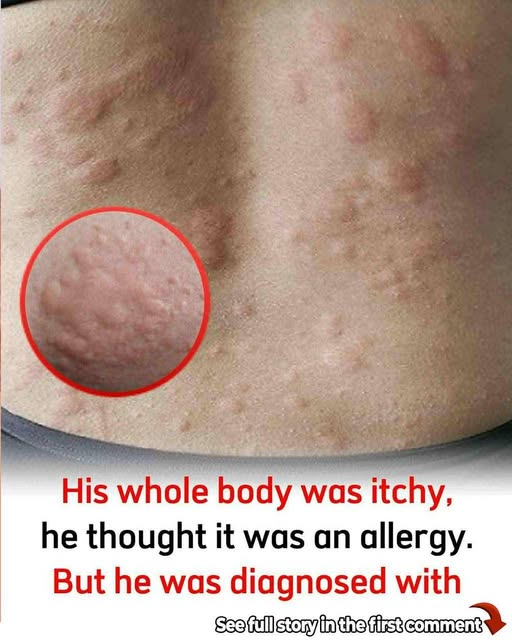
- Itchy skin or hives
- Watery eyes
These resemble classic allergic reactions because histamine is part of the immune response.
Cardiovascular and Other Effects
- Irregular heartbeat
- High blood pressure
- Swelling of tissues
Histamine also influences blood vessels and heart rate, which can explain these symptoms. Women may notice changes in menstrual cycles or more intense symptoms at certain hormonal phases. Because the symptoms overlap with other conditions like food allergies, irritable bowel syndrome, or even anxiety, histamine intolerance is often misdiagnosed or overlooked by doctors.
Why It Happens
Histamine intolerance occurs mainly when your body cannot break histamine down fast enough, leading to buildup. This may be due to several factors:
- DAO enzyme deficiency — either genetic or caused by gut issues
- Gut disorders like bacterial overgrowth or inflammation
- Medications that interfere with DAO function
- Eating high-histamine foods regularly
- Low nutrient levels needed to support histamine breakdown
- Because these factors vary from person to person, one person’s triggers and symptoms can look very different from another’s.
Foods That Can Trigger Symptoms
Certain foods are known to contain high amounts of histamine or stimulate the release of histamine in the body. These include:
- Alcohol and fermented beverages
- Aged cheeses
- Processed or smoked meats
- Fermented foods like sauerkraut
- Some vegetables like eggplant, spinach, and tomatoes
- Nuts and chocolate
- Citrus fruits and dried fruit
Not everyone reacts to the same foods, so tracking your symptoms with a food journal can help pinpoint your personal triggers.

Treatment and Management
There is no single cure for histamine intolerance, but many people find relief by making lifestyle and dietary changes:
- Low-histamine diet — avoiding foods high in histamine or that trigger its release
- DAO enzyme supplements — may help digestion of histamine
- Antihistamine medications — can reduce symptoms but don’t fix the root issue
- Address gut health — probiotics, nutrient support, and managing underlying digestive disorders can improve enzyme balance
- Doctors often recommend an elimination diet to test which foods worsen symptoms, then gradually reintroduce foods to test tolerance.
When to See a Doctor
If you suspect histamine intolerance due to recurring unexplained symptoms, it’s a good idea to talk with a healthcare professional. Because the condition mimics many others, proper evaluation can rule out allergies, infections, or other digestive disorders.