Drooling during sleep is more common than many people realize. While it can feel embarrassing, it is often harmless and related to natural body processes that occur during deep rest. Saliva production continues while you sleep, and if it is not swallowed properly, it may escape from the mouth.
In most cases, nighttime drooling is temporary and linked to sleeping position or minor health factors. However, frequent drooling can sometimes offer clues about your overall health.
Sleeping Position and Gravity
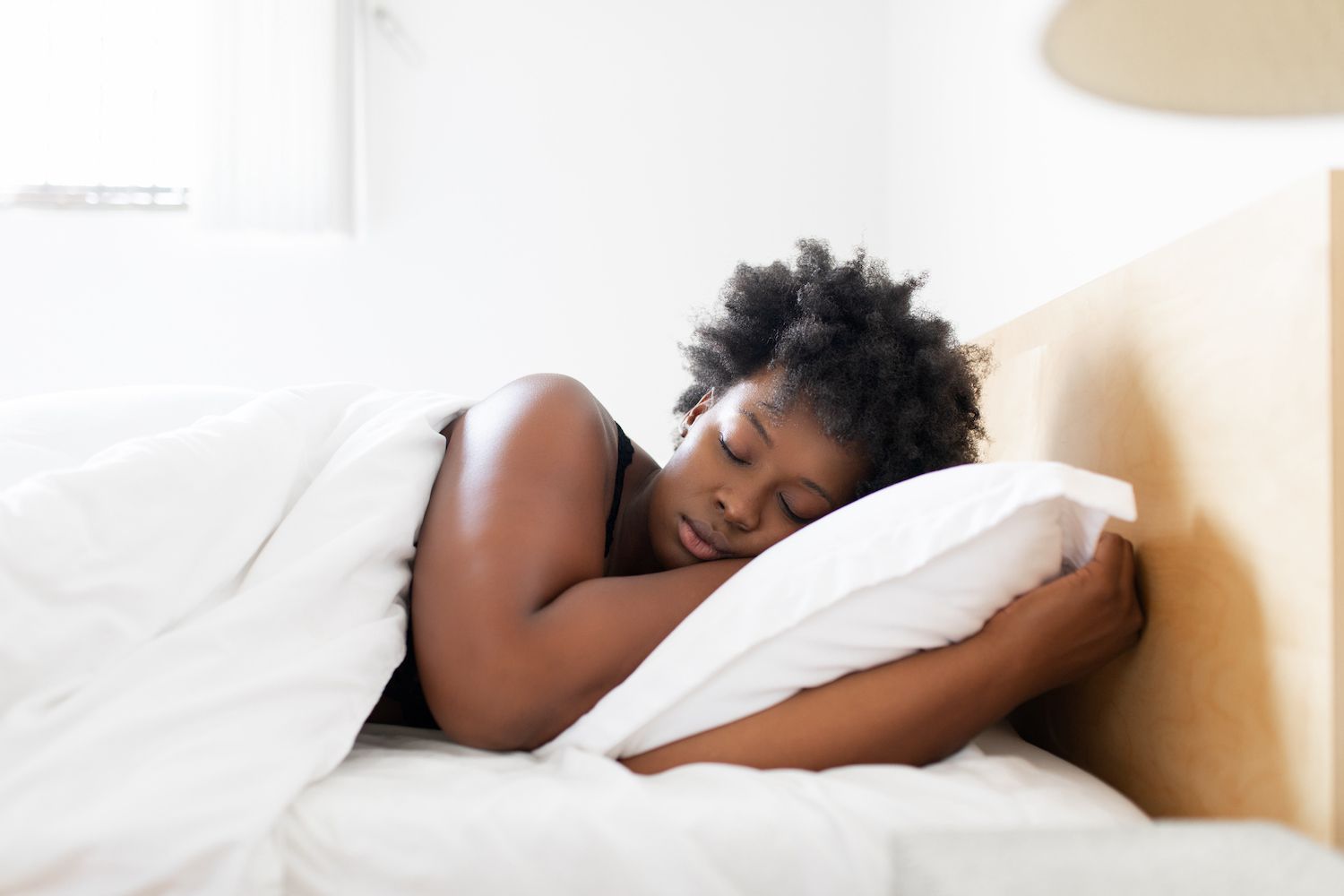
One of the most common reasons for drooling is sleeping on your side or stomach. In these positions, gravity makes it easier for saliva to flow out of the mouth, especially if your lips are slightly open. People who sleep on their backs tend to drool less because saliva naturally moves toward the throat, where it is swallowed. Simply adjusting your sleeping position can significantly reduce nighttime drooling.

Nasal Congestion and Breathing Issues
Blocked nasal passages can force you to breathe through your mouth while sleeping. When the mouth remains open for long periods, saliva is more likely to escape. Allergies, colds, sinus infections, and even dry indoor air can contribute to nasal congestion. Addressing these issues through proper treatment or using a humidifier may help reduce drooling.
Excess Saliva Production
Some people naturally produce more saliva than others. This condition, known as hypersalivation, can occur due to certain foods, medications, or dental issues. Acid reflux is another possible cause. When stomach acid irritates the esophagus, the body may respond by producing extra saliva to protect the throat.
Dental and Oral Health Factors
Problems related to teeth and gums can also contribute to drooling. Ill-fitting dentures, misaligned teeth, or jaw positioning issues can interfere with the ability to keep the mouth closed during sleep. Infections or inflammation in the mouth may stimulate increased saliva production as a natural defense mechanism.
Sleep Disorders and Deep Sleep Cycles
People who experience very deep sleep may have reduced swallowing reflexes. When the body is fully relaxed, it may not respond quickly enough to saliva buildup. Sleep disorders such as sleep apnea can also play a role. This condition often involves mouth breathing and disrupted breathing patterns, increasing the likelihood of drooling.
Medications and Lifestyle Influences
Certain medications, including sedatives and some psychiatric drugs, can relax facial muscles or increase saliva production. Alcohol consumption before bed may have a similar effect by relaxing the jaw and throat muscles. Smoking can irritate the mouth and throat, leading to changes in saliva flow and nighttime drooling.
Neurological and Health Considerations
In rare cases, drooling may be linked to neurological conditions that affect muscle control or swallowing reflexes. While occasional drooling is normal, sudden or severe changes should not be ignored. If drooling is accompanied by symptoms such as difficulty speaking, swallowing, or facial weakness, medical advice should be sought.
Simple Ways to Reduce Nighttime Drooling
Improving sleep posture, treating nasal congestion, and maintaining good oral hygiene can make a noticeable difference. Staying hydrated during the day may also help regulate saliva consistency. Using supportive pillows to encourage back sleeping and avoiding heavy meals or alcohol before bedtime can further reduce the issue.
Conclusion
Drooling in your sleep is usually harmless and often related to simple factors like sleeping position or nasal congestion. In some cases, it can provide insight into oral health, sleep quality, or lifestyle habits. By understanding the possible causes, you can take small steps to improve comfort and sleep quality while supporting overall health.