
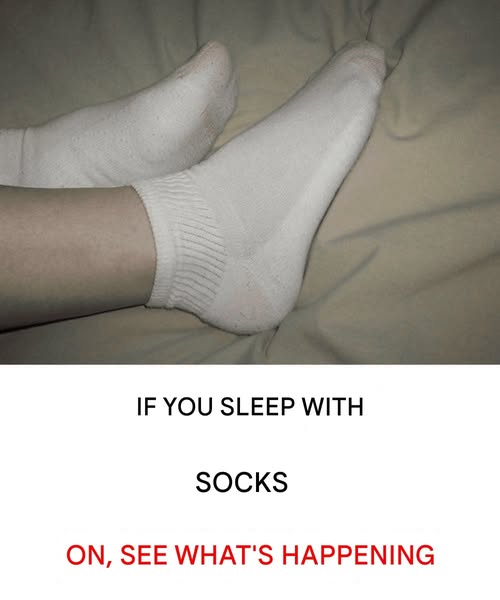
Wearing socks at home may seem like a small and simple habit, but for older adults it can have meaningful effects on comfort, safety, and overall health. As people age, the body naturally goes through changes such as reduced circulation, thinner skin on the feet, and a higher risk of balance issues. Because of this, something as basic as wearing socks indoors can provide more benefits than many realize.
Improved Warmth and Circulation
One of the main reasons seniors are encouraged to wear socks at home is temperature control. Older adults often experience reduced blood circulation in the extremities, especially the feet and toes. This can lead to a constant feeling of coldness, even in moderately warm environments. Socks help by trapping body heat and maintaining a more stable temperature around the feet. Keeping feet warm is not just about comfort. Warmth can also support better circulation and reduce stiffness in the joints, which may be especially helpful for people with arthritis or other age-related conditions. In colder seasons, wearing socks indoors can also reduce the risk of chills, which may affect overall wellbeing.

Protection Against Germs and Skin Issues
Another important benefit is protection from bacteria, fungi, and general household debris. Even in clean homes, floors can carry dust, allergens, and microorganisms that may irritate the skin or lead to infections. Walking barefoot increases direct exposure to these elements. Socks act as a protective barrier, helping reduce the risk of fungal infections such as athlete’s foot. They also help keep feet cleaner throughout the day by absorbing sweat and preventing moisture buildup. Since warm and damp conditions can encourage bacterial growth, breathable socks made from cotton or wool can help maintain a healthier environment for the skin.
Better Foot Comfort and Pressure Relief
As people age, the natural cushioning on the soles of the feet tends to decrease. This means walking on hard surfaces like tile, wood, or laminate floors can feel uncomfortable or even painful. Socks add a soft layer of protection that reduces direct pressure on the feet. For seniors who spend a lot of time standing or walking indoors, this cushioning effect can make daily movement easier and less tiring. It can also reduce irritation for those with sensitive skin or conditions such as diabetes, where foot care is especially important.
Reduced Risk of Slips and Improved Stability
Foot safety is a major concern for older adults, as falls are one of the most common causes of injury in seniors. While socks alone do not prevent falls, they can contribute to better comfort and awareness when walking. Some socks are designed with non-slip grips on the bottom, which can improve traction on smooth surfaces and help reduce the risk of slipping. Even regular socks can provide a more secure feeling compared to walking barefoot, especially on cold or slippery floors. This added sense of stability can encourage more confident movement around the home.
Moisture Control and Hygiene Benefits
Feet naturally sweat throughout the day, and without proper absorption, moisture can build up quickly. Socks help manage this by absorbing sweat and keeping the skin drier. Dry feet are less likely to develop irritation, odor, or fungal infections. This is especially important for seniors who may have reduced mobility or find it difficult to frequently wash or change footwear during the day. Choosing breathable materials and changing socks regularly can significantly improve foot hygiene and comfort.
Psychological Comfort and Routine
Beyond physical benefits, wearing socks can also provide a sense of routine and comfort. Many people feel more “dressed” and secure when wearing socks indoors, which can contribute to overall wellbeing. Small daily habits like this can help maintain structure and comfort in everyday life.
Conclusion
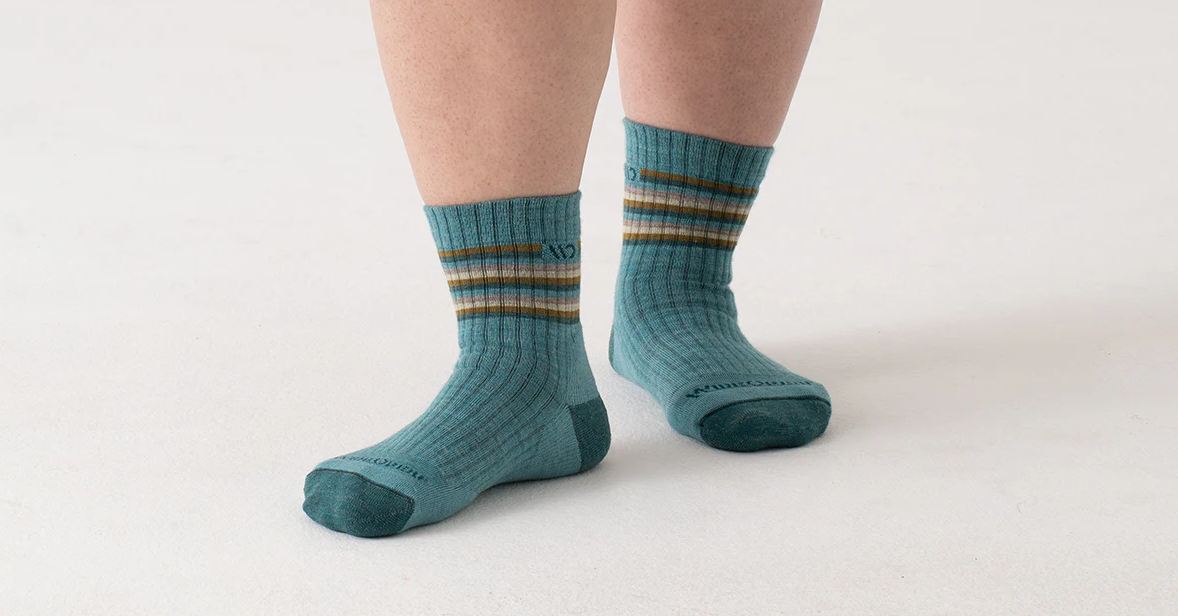
For seniors, wearing socks at home is a simple but effective way to support foot health, warmth, and safety. It helps protect against infections, improves comfort on hard floors, and can even contribute to better stability during movement. While it may seem like a minor detail, this habit can make a noticeable difference in daily comfort and long-term foot care. Choosing soft, breathable, and well-fitted socks ensures maximum benefit while keeping feet healthy, warm, and protected throughout the day.