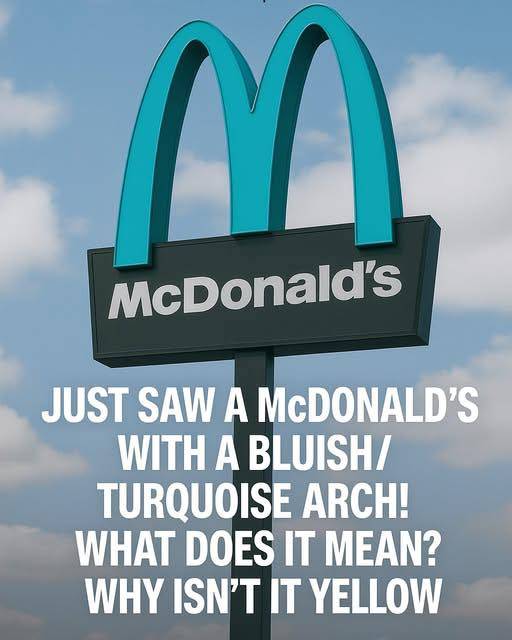
Sedona, Arizona, is known for its dramatic red-rock landscapes, peaceful desert scenery, and strong commitment to environmental preservation. Among its many distinctive features, one stands out to travelers and locals alike: the McDonald’s with turquoise arches instead of the traditional bright yellow. This unusual color choice has become a symbol of how Sedona balances necessary development with the protection of its natural beauty.
Why the Famous Arches Are Turquoise
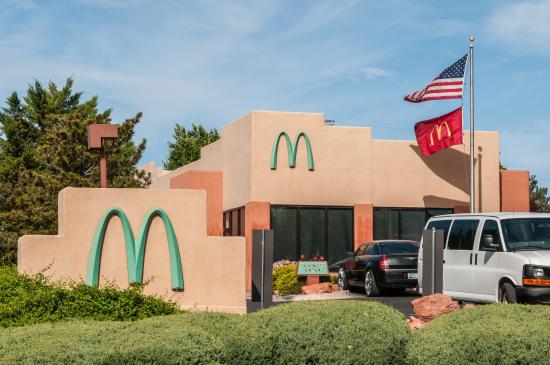
When McDonald’s first planned to open a location in Sedona in the early 1990s, the city’s strict design and building regulations restricted anything that could disrupt the area’s scenic harmony. Local officials believed the classic yellow arches would clash sharply with Sedona’s red cliffs and desert palette, creating an eyesore in the middle of an otherwise harmonious landscape. To preserve the aesthetic balance, the city requested that the company adopt a more subdued color. Rather than fighting the requirement, McDonald’s agreed and created turquoise arches—still recognizable, but softer and more compatible with the surrounding environment. The color was chosen because it blended better with Sedona’s sky, rock formations, and traditional Southwestern architectural styles.
A Global Brand Adapts to a Local Landscape
The decision marked one of the rare times McDonald’s altered its iconic branding in such a dramatic way. Instead of the bold look used worldwide, the Sedona restaurant reflects a thoughtful adaptation. The building design, signage, and overall appearance were crafted to complement the desert environment. This unique compromise highlights the growing importance of respecting local cultures, ecological concerns, and visual landscapes, even for multinational companies known for uniformity. Today, the turquoise arches have become a recognizable landmark, drawing tourists not for fast food, but for the unusual story behind the unexpected color. Visitors frequently stop to take photos, proving that thoughtful adaptation can become a cultural attraction in itself.
Sedona’s Strong Environmental Values
Sedona has long taken pride in maintaining its breathtaking scenery. The city enforces strict zoning regulations that control building height, color, brightness, and design. These rules are not meant to discourage development, but to ensure that growth doesn’t overshadow what makes Sedona special. This commitment can be seen in numerous aspects of local planning: subdued lighting to protect night skies, earthy tones in architecture, and restrictions on flashy signage. The turquoise arches are not a one-time exception—they reflect a broader cultural mindset focused on preserving the area’s natural and visual purity.
What the Arches Represent Today
Over time, the Sedona McDonald’s has come to represent more than a design compromise. It demonstrates how communities and corporations can work together to protect the environment and maintain a sense of place. In a world where branding consistency is often prioritized above all else, Sedona’s example shows that flexibility can enhance both local identity and visitor appeal. The restaurant also encourages conversations about sustainable tourism and thoughtful development. Rather than overwhelming the landscape, businesses can integrate into it—adding convenience without sacrificing character.

A Model for Future Development
As cities and towns worldwide grapple with balancing growth and conservation, Sedona’s turquoise arches offer a small yet meaningful example of how thoughtful design decisions can preserve natural beauty. They stand as a reminder that sometimes, a simple change in color can reflect a much deeper respect for the environment and the community that calls it home.