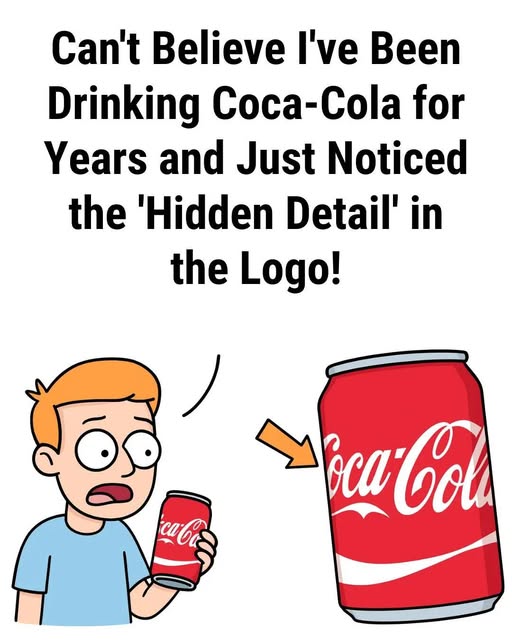
Few logos are as instantly recognizable as the classic red-and-white script of Coca-Cola. But many people today claim that hidden within that familiar swirl lies a subtle flourish: the second “C” in “Coca-Cola” seems to curve into a faint, almost imperceptible smile. Once your eyes latch onto that interpretation, it becomes hard to unsee prompting a cascade of questions about what logos really communicate, consciously or not.
The Smile Theory: What People See
When you look closely at the vintage Coca-Cola wordmark, the second “C” doesn’t end neatly — its upper curve arcs outward, then dips under the rest of the word in a sweeping motion. Viewed from the right angle, that curve resembles the gentle arc of a smiling mouth. Many believe that this is not random: rather, it’s a discreet nod to warmth, friendliness, and joy — the same emotions the brand has built its identity on for generations. The logo suddenly feels as though it’s offering a silent, welcoming smile each time we glance at it. Supporters of this view suggest this subtle curve isn’t just decorative. According to commentators in branding circles, the extended “C” is designed to stir a positive, subconscious emotional response. In this reading, the smile is less a visual coincidence and more a deliberate psychological cue — a quiet gesture that reinforces Coca-Cola’s identity as a symbol of happiness and shared human connection.
Historical Reality: What We Know (and Don’t)
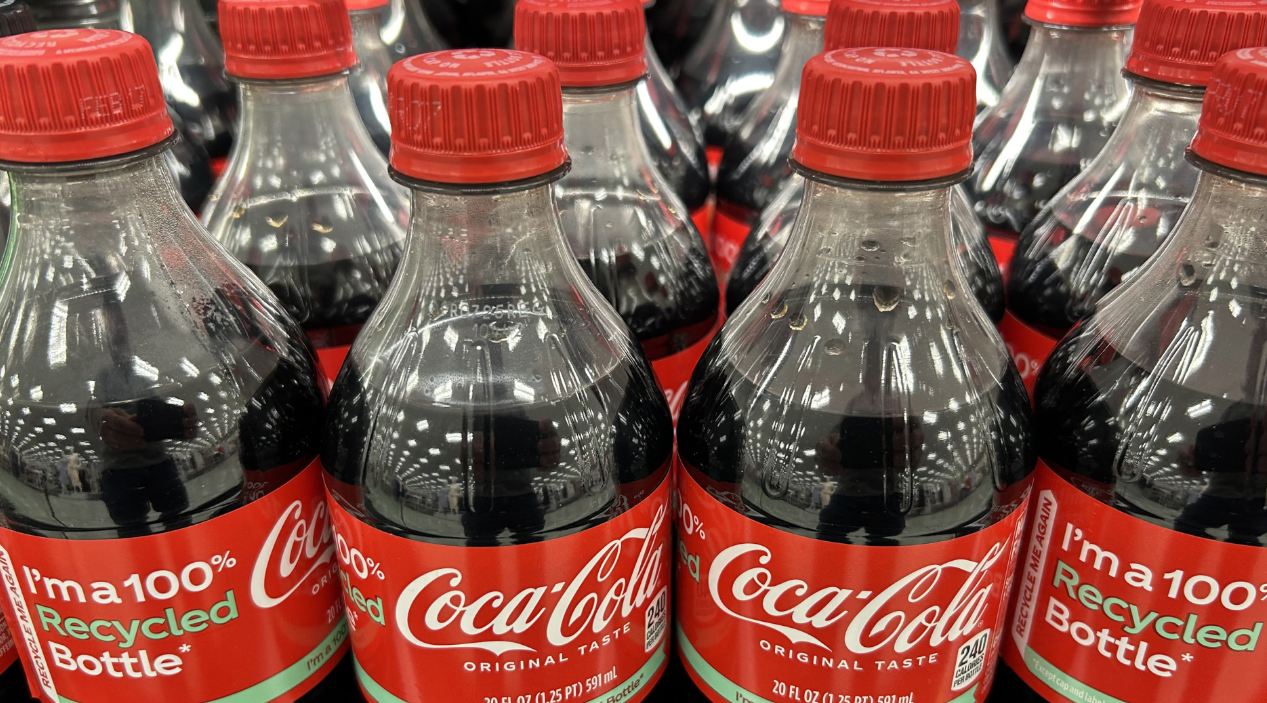
In truth, when the logo was first drawn in the late 19th century, it adopted the prevailing style of the period — an elegant, flowing script known as Spencerian handwriting. That cursive style was typical of formal advertising and documentation at the time, and the original designer is known simply to have chosen that style because it was aesthetically pleasing, not because it conveyed a smile. In fact, there is no documented evidence from the company’s early archives to suggest that the designer intended the “C” to represent a grin or to send any emotional signal beyond elegance. There are no memos, old ads, or design briefs that reference a “hidden grin,” a friendly flourish, or any kind of emotional subtext built into the letters. This absence of proof underlines a simple fact: what many see today as a secret smile likely originated as nothing more than stylized handwriting.
Why We See a Smile Anyway
So why do so many people “discover” the smile now, more than a century later? Part of it may be human nature. Our brains are wired to find patterns, faces, and emotional cues even in random shapes — a phenomenon psychologists call pareidolia. Once someone points out the potential smile, it becomes almost impossible not to see it again. Moreover, the reinterpretation fits neatly with Coca-Cola’s long-standing brand identity. For decades, Coca-Cola hasn’t just sold a beverage — it has marketed a feeling: joy, refreshment, togetherness, nostalgia. The idea that its logo might silently smile at you plays into that story beautifully. It seems fitting — even poetic — that a brand associated with happiness would have a hidden wink embedded in its script, intentional or not.

The Power of Perception
Whether the “smile” in the Coca-Cola logo was ever planned or is merely a collective illusion, the debate reveals something deeper about branding, design, and human psychology. It highlights how richly we project meaning onto symbols we see over and over again. A simple curve becomes more than decoration — it becomes a message, a mood, a memory. In the end, perhaps the smile matters less as a confirmed fact than as a reflection of what Coke has come to represent in popular imagination: moments of warmth, shared smiles, and small joys. Design, after all, lives not only on paper, but inside the minds of those who look at it — and sometimes, that’s where real magic happens.