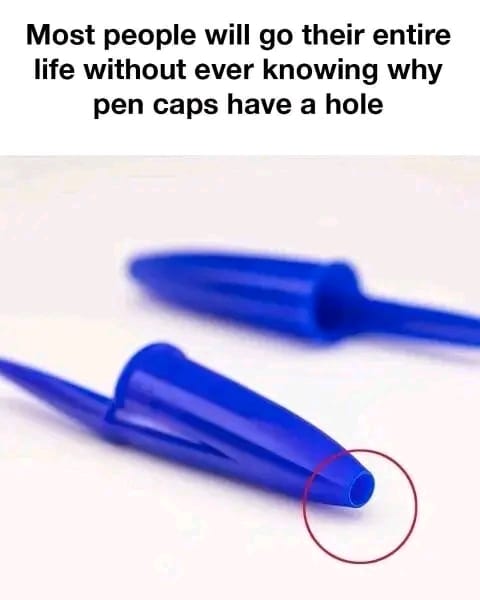
Most people have used a pen dozens of times without ever noticing a small but important feature: a tiny hole in the top of the pen cap. While it may seem insignificant or purely decorative, this small hole actually plays multiple crucial roles in safety, usability, and the overall functionality of the pen. Understanding the purpose of this design feature highlights how everyday objects often hide clever engineering decisions that improve convenience and prevent accidents.
Safety First: Preventing Choking Hazards
The primary reason pen caps have holes is safety, especially for children. Kids often put pens in their mouths out of curiosity, and a solid, sealed pen cap could block the airway if accidentally swallowed or inhaled. The tiny hole allows air to pass through, reducing the risk of suffocation or choking. Safety standards in many countries now require ventilated pen caps for children’s pens, ensuring that even if a cap is swallowed, the user can still breathe. This small feature has prevented countless accidents over the years and demonstrates how thoughtful design can save lives, even in objects as simple as a pen.
Pressure Regulation and Manufacturing
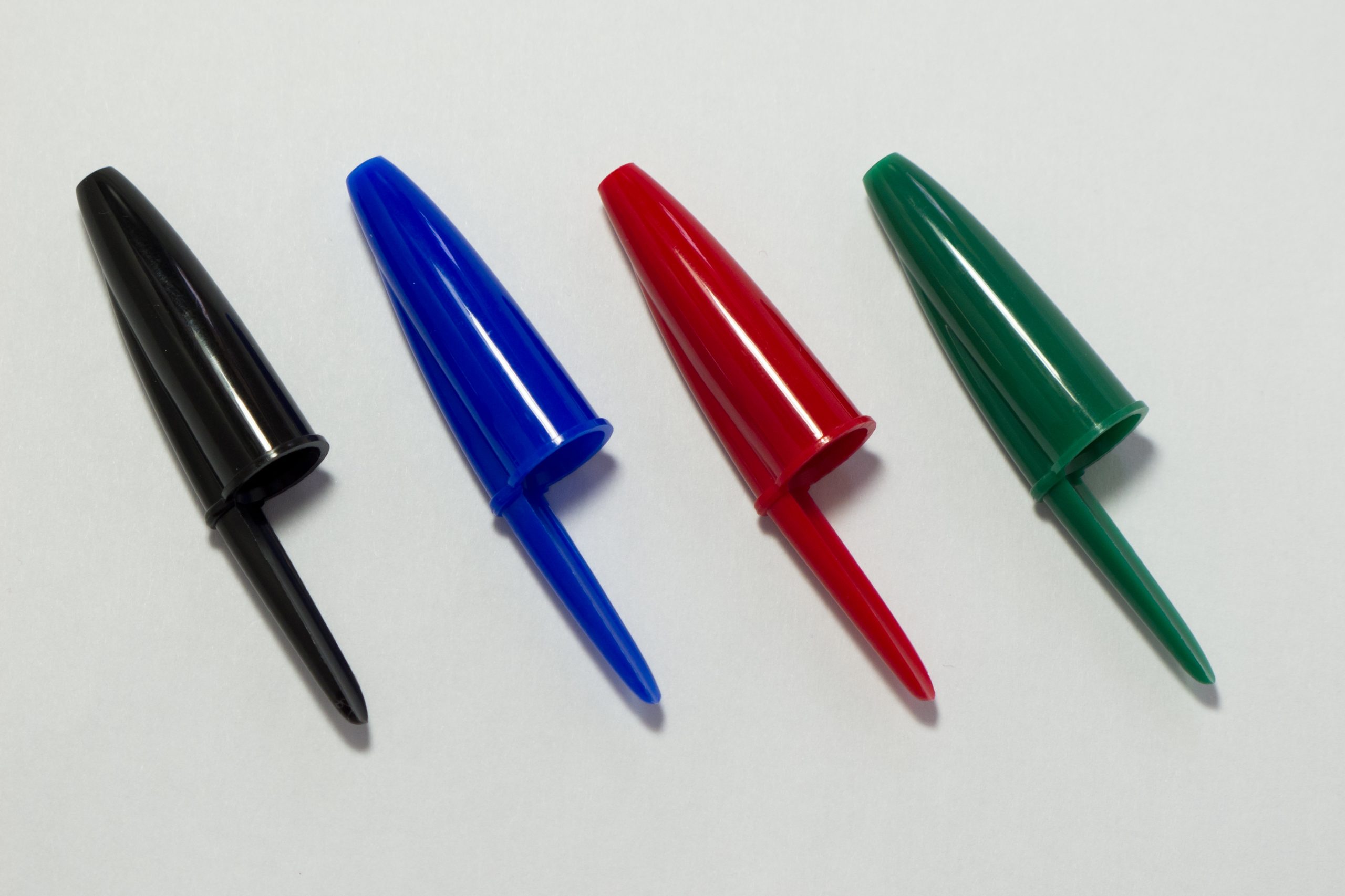
Pen caps also serve a functional purpose during manufacturing and shipping. During production, small air pockets can form inside the cap. Without a hole, trapped air might create pressure differences that make the cap difficult to remove or too tight to fit properly. The hole allows air to flow in and out of the cap, balancing internal pressure. This ensures that the pen remains easy to use right out of the package and that the cap does not pop off unexpectedly during shipping or handling. It also helps maintain a snug fit, protecting the pen tip from damage and preventing ink from drying out prematurely.
Ink Preservation and Writing Performance
While it may not be obvious, the ventilated pen cap can also aid in ink preservation. Many pens rely on controlled air flow inside the pen barrel to maintain smooth ink delivery. The small hole in the cap allows for slight pressure equalization, preventing a vacuum that could disrupt ink flow. By helping to regulate air and pressure inside the pen, the hole indirectly supports consistent, smooth writing. This is especially true for fountain pens or gel pens, where maintaining proper ink flow is essential for performance.
Convenience for Everyday Use
The hole in a pen cap can also offer practical conveniences. Some pen designs allow caps to be attached to lanyards or keychains, with the ventilated hole serving as a convenient attachment point. Additionally, a hole can reduce suction between the cap and the pen tip, making it easier to remove the cap without struggling. For people who use pens frequently at work or school, these small improvements make a noticeable difference in comfort and ease of use. It’s a subtle feature that enhances the overall user experience without requiring extra effort or parts.
A Small Feature with a Big Impact
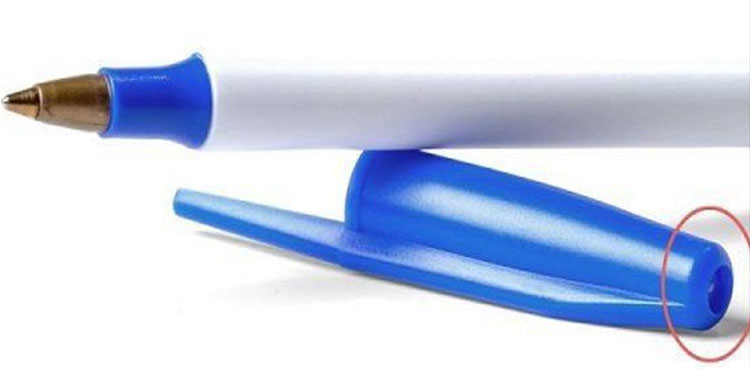
Although it is easy to overlook, the tiny hole in a pen cap is a thoughtfully designed feature that addresses safety, functionality, and convenience. It prevents suffocation risks for children, helps regulate pressure and ink flow, and makes the pen easier to use in daily life. The next time you pick up a pen, take a moment to notice the small hole in the cap. It may seem minor, but it serves multiple important purposes. This simple design choice is a great example of how even everyday objects are carefully engineered with user safety and convenience in mind, reminding us that good design often works quietly behind the scenes.