
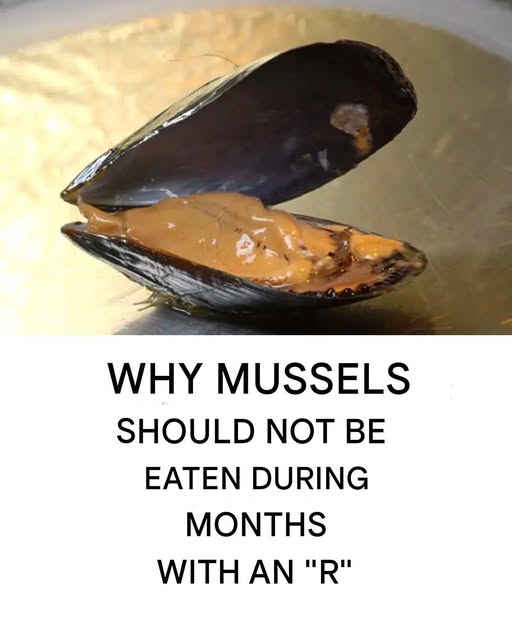
Many people have heard an old tip that **mussels should only be eaten in months with the letter “R” (like September, October, November, etc.). Historically, this rule was meant to help people know when shellfish like mussels and oysters were safest and tastiest to eat.
In this traditional view:
- Months with an R (September–April) were considered safer and better for eating mussels.
- Months without an R (May–August) were when mussels were believed to be less tasty and possibly riskier.
- This idea comes from seasons when shellfish were wild and there was no refrigeration or modern safety control.
Why the Rule Started
In the past, fishermen and coastal communities noticed a few important things:
🐚 1. Mussel Reproduction and Taste
During summer and warmer months, mussels go through spawning and biological changes. This can make the meat softer, watery, and less flavourful.
🦠 2. Higher Risk of Toxins
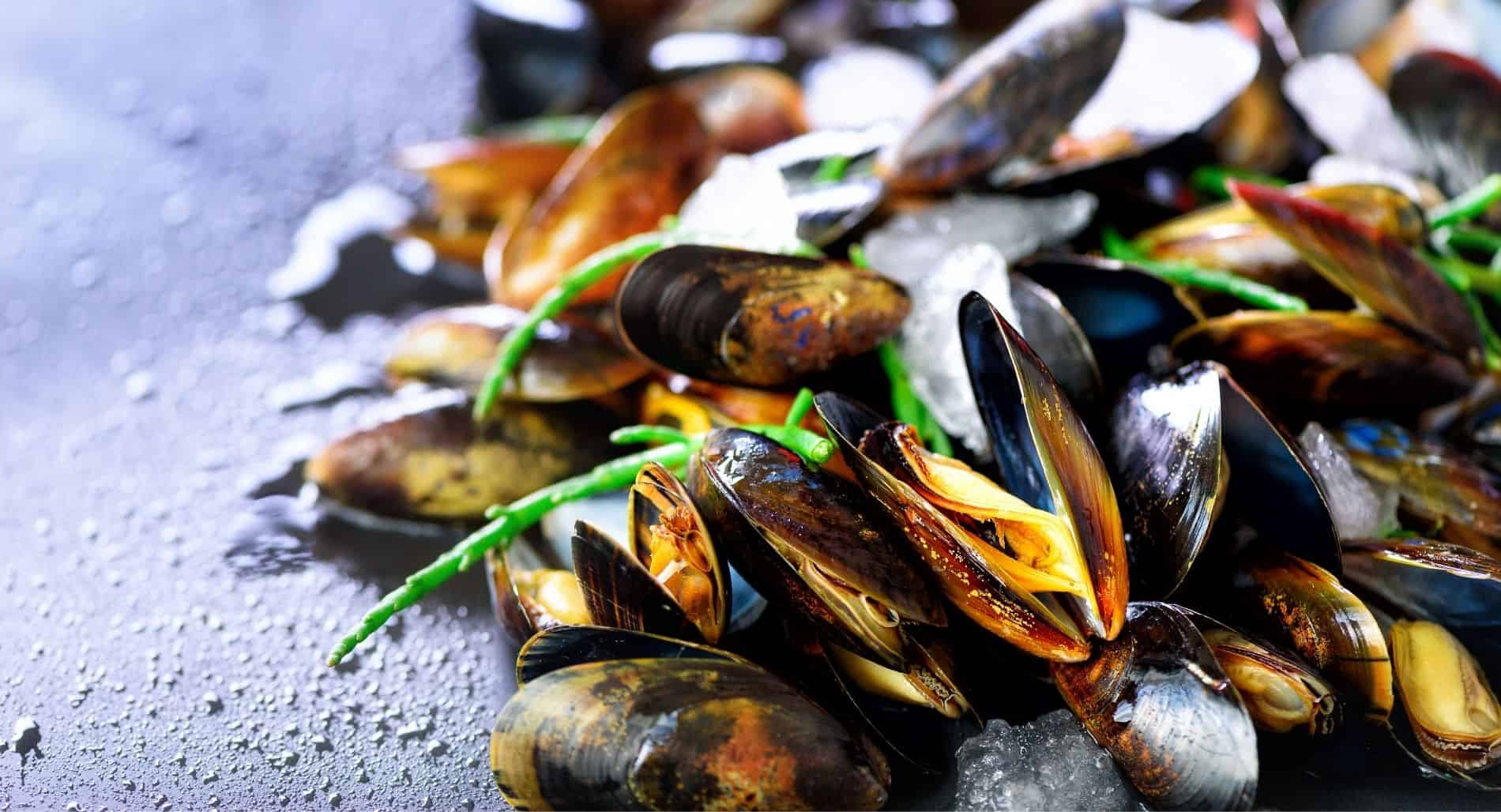
Warm water — especially in summer — can lead to algal blooms (including red tides). Mussels are filter feeders and concentrate these algae, which can contain marine biotoxins that cooking does not destroy. Eating mussels with high levels of these toxins can cause illness. Because of these seasonal patterns, many people believed it was better to avoid shellfish in summer (or “months without an R”).
What Modern Science and Food Safety Say
Today, the old “R”‑month rule no longer applies universally:
✔️ 1. Modern Farming and Refrigeration
Most mussels sold commercially now are either farmed or harvested under regulated safety controls, and they’re kept cold from the moment they’re collected until you buy them. This means they can be nutritious and safe to eat all year long, regardless of the month.
✔️ 2. Monitoring for Contaminants
Health authorities in many countries regularly monitor toxin levels, algae blooms, bacteria (like Vibrio species), and overall water quality in shellfish harvesting areas. Only when levels are considered safe is mussel harvesting allowed.
✔️ 3. Safety Depends More on Handling Than the Calendar
Whether mussels are safe depends mainly on proper storage, buying from trustworthy suppliers, and cooking them correctly — not the month’s name. For example, New Zealand Food Safety warns that raw or undercooked mussels can carry bacteria like Vibrio if not prepared properly, and should always be cooked thoroughly before eating.
So Can You Eat Mussels in Summer?
Yes — you can eat mussels in summer (or any month) if:
- They are bought from reputable sources.
- They come from monitored and regulated harvesting or farming areas.
- You store and prepare them safely (proper chilling and cooking).
- However, in the past, when people lacked refrigeration, that “no R” rule served as a basic guide to avoid times when shellfish were more likely to spoil or contain toxins.
Final Takeaway
The saying “don’t eat mussels in months with an R” is mostly an old tradition based on seasonal taste and safety concerns from a time before modern refrigeration and food safety controls. Today, with careful handling, monitoring, and cooking, mussels can be eaten safely year‑round, as long as you buy them from reliable sources and prepare them properly.