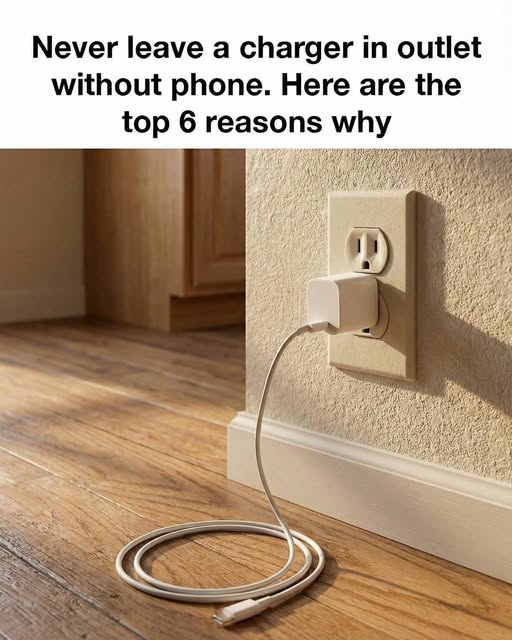
Leaving chargers plugged into the wall outlet when they’re not actively charging a device is a common habit. It seems harmless, but it has several important drawbacks with financial, safety, environmental, and device longevity implications. Modern chargers are more efficient than older models, but even a small ongoing power draw often called “standby” or “vampire” energy still happens and can add up over time.
1. Wasted Electricity and Higher Bills
Chargers will draw a small amount of electricity as long as they remain connected to power, even if no phone, tablet, or other device is plugged into them. This standby consumption may be modest for a single charger, but when you consider multiple chargers in a household, the total energy usage can become measurable across weeks and months. That extra power draw is reflected in your overall energy bill, making this small habit a source of unnecessary cost.
2. Fire and Heat Risks
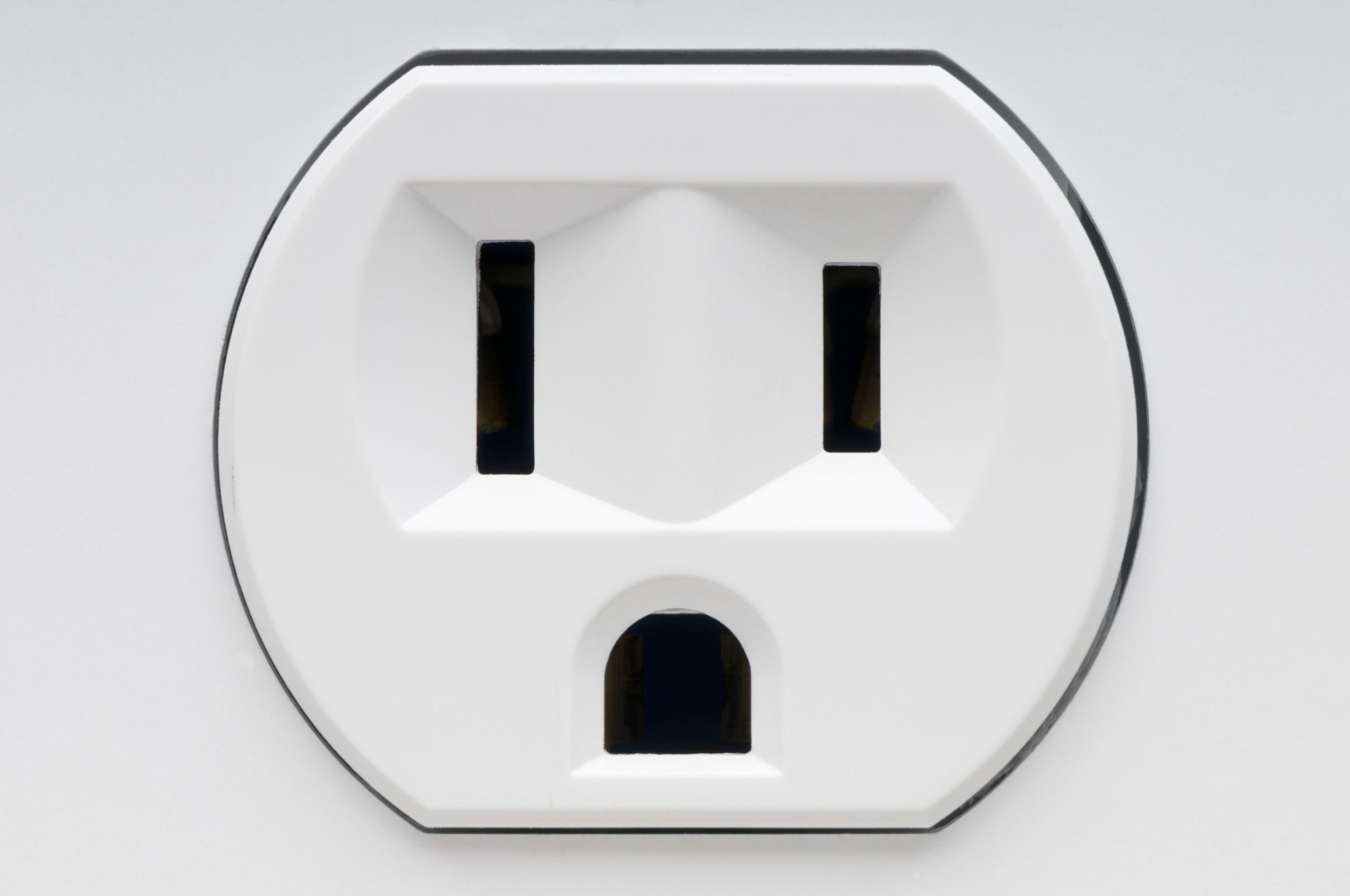
One of the most serious concerns stems from safety. Chargers — especially older, low-quality, or counterfeit units — can generate heat when plugged in. If left connected for long periods, this heat can build up and, in rare cases, lead to overheating, sparks, or even fire risks near combustible materials. Electrical components and wiring can fail, and worn insulation may increase the chance of short circuits. Reducing the time a charger stays connected helps lower these hazards.
3. Reduced Charger Lifespan
Continuous exposure to electricity stresses internal charger components like transformers, capacitors, and voltage regulators. Over time, these parts can wear down from constant standby power flowing through them, shortening the charger’s lifespan. Frequent voltage spikes or fluctuations in your home’s electrical system can make this degradation worse, especially in cheaper units that lack robust protection circuits. Unplugging chargers when not in use can preserve their performance and keep them functioning longer.
4. Environmental Impact
Unplugged chargers may seem insignificant on their own, but consider the global scale: millions of homes leaving chargers plugged in around the clock contributes to unnecessary power consumption. This extra demand increases electricity production from power plants, many of which still rely on fossil fuels. Even small energy savings at the individual level help reduce carbon emissions and environmental strain when they are practiced widely.
5. Outlet Wear and Tear
Some experts note that continuously keeping plugs connected can contribute to wear and tear on the outlets themselves. Loose sockets, physical damage to outlet contacts, and eventual electrical instability can result from chargers (or other devices) remaining connected for extended periods. Periodically unplugging devices helps maintain the integrity of both the plug and the outlet.
6. Better Charging Habits
Establishing simple routines — such as unplugging chargers when your device is fully charged or turning off power strips — can improve safety and reduce both energy waste and long-term costs. Even though many modern chargers are designed with circuits that drastically reduce standby power draw, unplugging remains an easy and effective way to prevent unnecessary electricity use and minimize the potential for problems.
What Experts Say
Licensed electricians and energy professionals agree that while a single charger may only contribute a small load, the collective effect across multiple devices in a household isn’t negligible. Minimizing standby consumption not only can lower bills but also supports device health and reduces fire risks, particularly with lower-quality charging equipment.
Practical Tips to Break the Habit
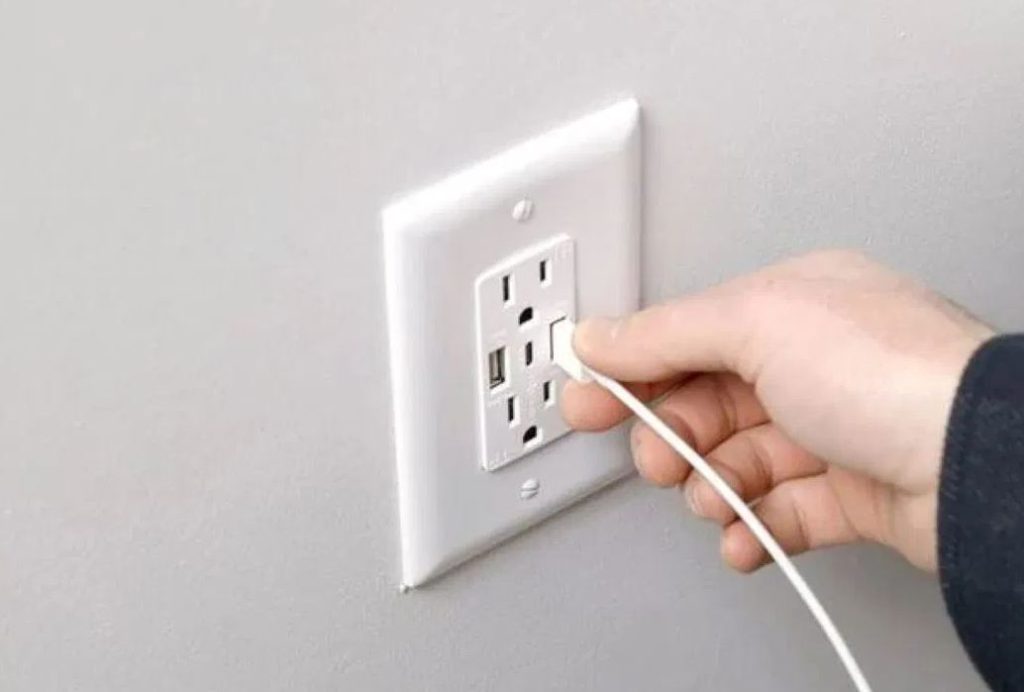
- Unplug chargers right after the device is fully charged.
- Use power strips with switches to cut off electricity to multiple devices at once.
- Choose certified, high-quality chargers with built-in protections.
- Inspect cables and plugs regularly for signs of wear or overheating.
Bottom Line
The practice of leaving chargers plugged in may seem convenient, but it carries more downsides than most people realize: you pay more in energy costs, risk overheating or damage, and contribute to unnecessary environmental impact. A small change — unplugging when not in use — is an easy step toward improved safety and efficiency.