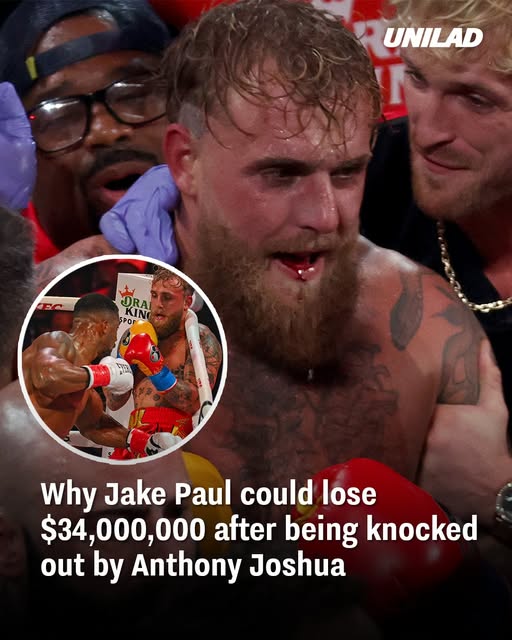
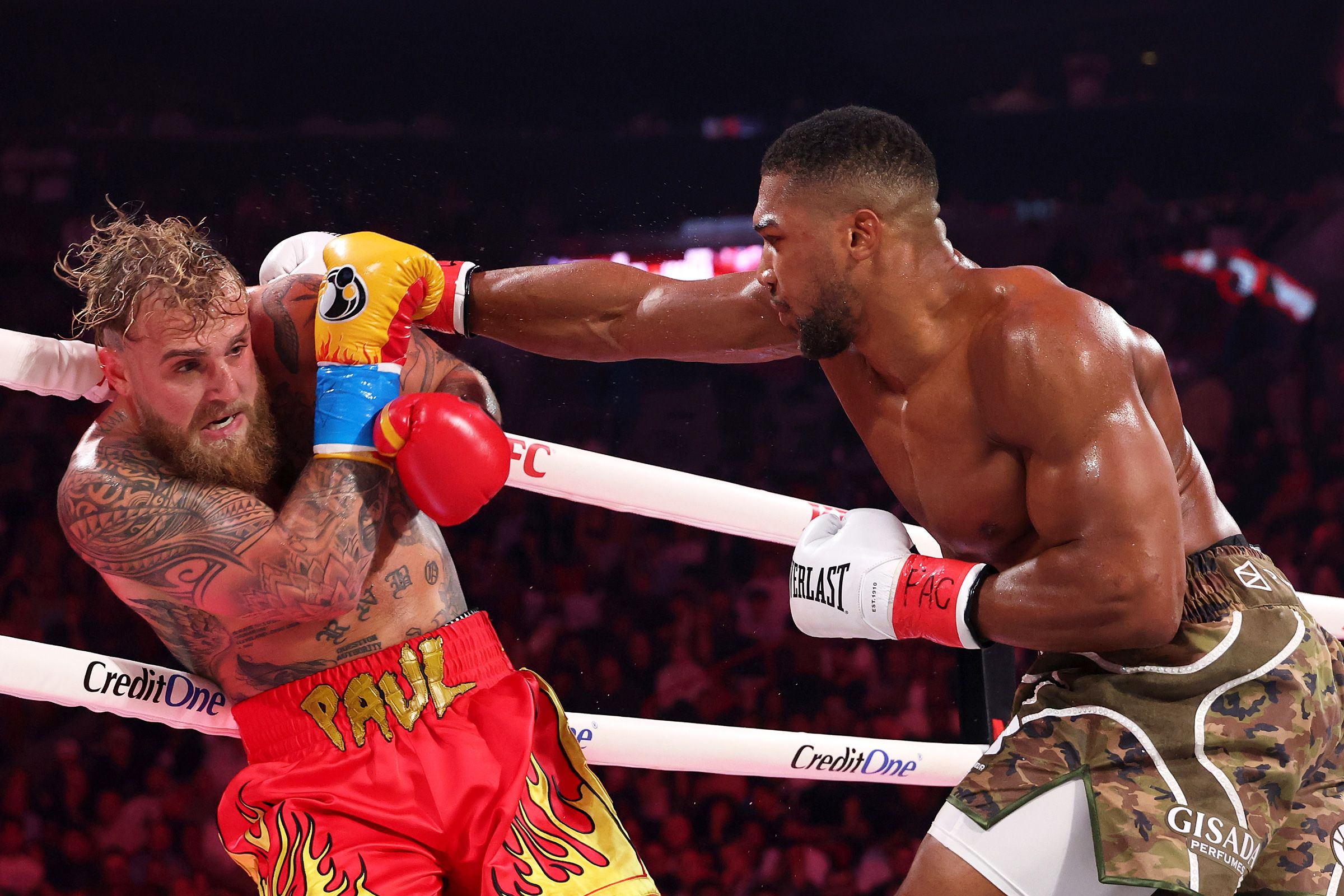
On December 19, 2025, social media star-turned-boxer Jake Paul faced former world heavyweight champion Anthony Joshua in a highly publicized boxing bout streamed live on Netflix from the Kaseya Center in Miami. The event was one of the most talked-about fights of the year and marked a major moment for boxing as a streaming spectacle rather than traditional pay-per-view.
Joshua ultimately knocked Paul out in the sixth round, ending the fight dramatically after a series of knockdowns and securing a clear victory.
Massive Fight Purse and Earnings
Despite losing the match, Jake Paul reportedly walked away with an enormous payday. Early estimates and industry reports suggest that Paul and Joshua shared a purse in the tens of millions, with figures around $184 million total, meaning each fighter might receive around $92 million before taxes and fees. Some speculation even suggested that Paul hinted the overall compensation for the fight — including licensing and promotional deals — could have been even higher, possibly reaching $267 million. This kind of payday exceeds many traditional boxing purses and rival payouts in Hollywood and other entertainment fields, illustrating how lucrative crossover boxing events can be when backed by major streaming platforms.
Financial Aftermath for Anthony Joshua
While Joshua also earned an enormous amount for the fight, his actual take-home pay is expected to be significantly reduced by taxes due to his status as a UK resident fighting in the US. Because the bout took place in Florida (which has no state income tax), he still faces federal income tax in the United States at around 37 %, plus UK taxes and national insurance contributions once he returns home. Estimates suggest that Joshua could see about $66 million or more go toward combined taxes and fees, meaning his net earnings from the event might be substantially lower than the headline figure, even though he won the fight. This discrepancy has led some commentators to note that, despite the knockout, Paul may actually keep more of his earnings simply because of how tax laws apply differently to him as a US resident.
Injuries and Health Updates
Paul’s loss wasn’t just financial — he was injured during the fight. Reports confirm that he suffered a broken jaw, later requiring hospital treatment and surgery. Paul shared updates from his recovery, showing X-rays and surgical progress, and vowing to continue his boxing career after healing. The injury has prompted discussion about Paul’s future in the sport, with some insiders suggesting a lengthy recovery period, though Paul has expressed determination to return.
Public and Industry Reaction
The fight generated strong reactions:
- Fans and bettors saw dramatic outcomes, with many losing large bets placed on Paul to win.
- Viewers criticized the early rounds for lack of action but acknowledged Joshua’s decisive finish. Online discussions include debates on whether the matchup was legitimate competition or a promotional spectacle.
- Some social media users joked about Paul’s financial victory despite his defeat, emphasizing how lucrative even a loss can be at this level of commercial boxing.

What This Means for Boxing
This event highlights how modern boxing is evolving — with streaming platforms like Netflix investing in live sports content, and crossover figures like Paul generating huge audience interest. The massive purses and global reach of such fights are reshaping expectations around how and where big boxing matches can be staged and monetized.