Many people enjoy the fresh smell of clothes dried outdoors, but recent guidance from health and environmental specialists raises some important reasons why hanging laundry outside isn’t always the best choice. While outdoor drying used to be a common practice around the world, changing environmental conditions, urban living, and certain health concerns have led experts to caution against it in some situations.
Pollution Can Settle on Clothes
One of the biggest concerns with drying clothes outdoors is air pollution. In busy cities or areas near roadways, microscopic particles from vehicle exhaust, construction dust, and industrial emissions can settle on clothing. These particles are often invisible but can cling to fabrics as they dry, especially if a breeze carries pollution directly onto the clothes. Over time, this buildup can reduce the softness of fabrics and make clothes feel less fresh, even after natural air drying. Health experts also point out that breathing in polluted air is harmful, and while clothes hanging outside won’t cause the same level of risk as direct exposure, the presence of smog and dust can make outdoor drying less desirable.
Pollen and Allergens Stick to Fabrics
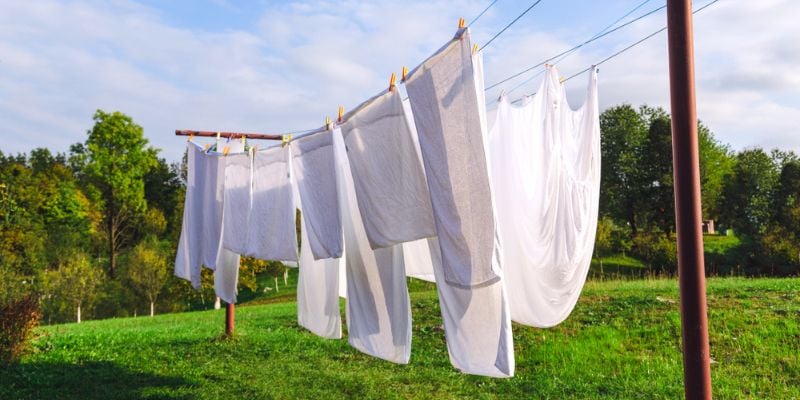
For people with allergies, drying clothes outdoors can unintentionally transfer natural allergens onto fabric. During spring and early summer months, pollen counts can become very high in many regions. When laundry is hung outside in these conditions, pollen grains can stick to towels, sheets, and clothing. Once indoors, these allergens can trigger symptoms like sneezing, itchy eyes, and congestion, especially for individuals with allergic rhinitis or asthma. This is one reason why some doctors recommend drying laundry indoors during peak pollen seasons, even though it may seem less convenient.
Weather Conditions Are Unpredictable
Another practical reason experts advise caution is simply that weather can be unpredictable. A fresh breeze and sunshine can quickly turn into sudden rain, strong winds, or dust storms. If clothes are left outside and caught in unexpected rain, they can become re‑soaked, forcing people to wash them again. Strong winds can also blow clothing off lines or mix dirt into fabrics that were already drying. In regions prone to heavy humidity, drying outdoors can take much longer than expected, which increases the chance of musty odors developing in fabrics as they slowly evaporate moisture.
UV Rays Can Fade Colors and Weaken Fabrics
Sunlight contains ultraviolet (UV) radiation, which can break down dyes and weaken fabric fibers over time. Although a bit of sunshine might seem harmless, frequent drying in direct sunlight can cause brightly colored clothes to fade faster than if they were dried indoors or in the shade. Natural fibers like cotton and linen are especially susceptible to UV damage. Over months and years, this exposure can make clothes look older and less vibrant much sooner than expected.
Insects and Birds May Cause Problems
Drying clothes outside can also expose them to insects, birds, and animals. Bugs may crawl onto fabrics, bird droppings can land on sheets, and small debris from nearby trees can settle on recently washed laundry. While these issues are not common in every location, they can be frequent in rural or suburban areas where animals are more active. This contamination can be frustrating and require additional washing, defeating the purpose of outdoor drying.
Indoor Alternatives Are Now Easy and Efficient
Thanks to modern technology and home appliances, indoor drying is often just as effective — and sometimes more convenient — than drying outside. Electric dryers, portable drying racks, and dehumidifiers allow clothes to dry quickly without exposure to outdoor elements. Many people also choose to place drying racks near open windows or fans, which helps circulate air and reduce drying time without risking pollution or allergens.
Understanding When Outdoor Drying Still Works
This doesn’t mean outdoor drying should be avoided entirely. In areas with low pollution, mild weather, and minimal pollen, hanging clothes outside can still be a refreshing way to dry laundry. Sunshine and fresh air can naturally disinfect fabric and reduce the need for machine drying. However, knowing the potential downsides helps people make smarter choices about when and where to hang clothes. Choosing times of low pollution, avoiding peak pollen hours, and selecting shaded areas can all make outdoor drying more effective and less problematic.
Making the Best Choice for Your Laundry
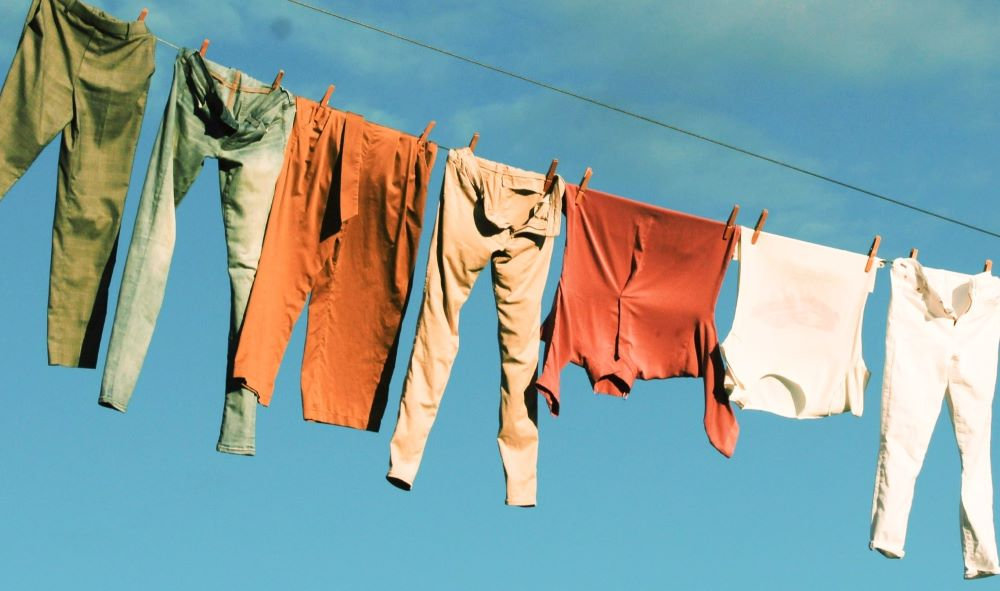
Whether you dry clothes outside or indoors, the goal is clean, fresh, and well‑maintained fabric. By understanding environmental factors like pollution, pollen, weather, and UV exposure, you can decide the best method for your clothes. In many modern settings, indoor drying offers control, convenience, and protection from outdoor contaminants — making it a valuable option for people looking to keep their laundry fresh and long‑lasting.