
Flushing the toilet after every single use has become an automatic habit for many people. It feels clean, responsible, and part of modern hygiene. But what if this daily practice isn’t as necessary as we think? More importantly, could it be causing unintended harm to the environment and our water resources? Reconsidering how often we flush after urination might be a simple change with significant benefits for sustainability and the health of our planet.
The Environmental Impact of Frequent Flushing
Every flush uses a considerable amount of water—typically between 1.6 to 7 gallons, depending on the toilet model. Flushing after every urination, which can happen multiple times a day, results in tens of thousands of gallons of water being wasted per household annually. Given the global concerns about water scarcity, especially in drought-prone regions, this excess water use contributes to a growing environmental problem. Water is a precious resource, and unnecessary flushing adds to the demand on water treatment facilities and infrastructure. Using less water per household can ease the burden on municipal systems, lower energy consumption used in water purification, and help conserve reservoirs. Small changes in daily routines, like flushing less often, can multiply into large water savings at community and national levels.
Hygiene Considerations: Is It Safe to Skip a Flush?
One common worry about not flushing after every urination is hygiene and odor. The truth is, urine is mostly sterile and less likely to harbor harmful bacteria compared to fecal matter. Many health experts agree that skipping a flush after urination poses minimal risk in most cases, especially when toilets are cleaned regularly. To reduce odor, some suggest simple tricks like using toilet drops or sprays designed to neutralize smells or even flushing only once after multiple uses. Proper bathroom ventilation and routine cleaning help maintain freshness. This approach balances hygiene with environmental responsibility.
The Benefits Beyond Water Conservation
Reducing toilet flush frequency can also lessen the load on septic systems and sewage treatment plants. Overloading these systems with large volumes of water can lead to failures, leaks, or untreated waste entering waterways. Using less water per flush decreases the chances of such problems, protecting ecosystems and public health. Additionally, cutting back on flushes may extend the lifespan of plumbing fixtures and reduce maintenance costs. Toilets, pipes, and treatment systems work better and last longer when they handle lower volumes of water and waste consistently.
How to Make Flushing Smarter
Changing long-standing habits requires awareness and a little adjustment. Here are some practical tips for more conscious flushing:
- Consider “if it’s yellow, let it mellow” — a simple rule encouraging people to skip flushing after urination but always flush after bowel movements.
- Use water-efficient toilets or dual-flush systems that offer separate flush options for liquid and solid waste.
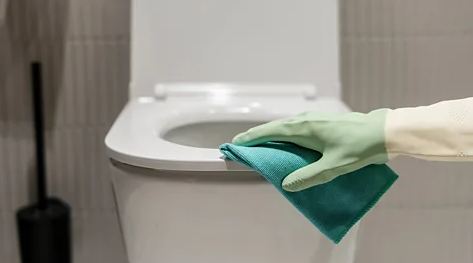
- Maintain regular cleaning routines to keep toilets hygienic and odor-free.
- Encourage family members or housemates to adopt the habit, turning it into a shared effort to save water.
A Small Change With Big Impact
Though it might seem like a minor detail, reducing the frequency of flushing after urination is a small but meaningful way to conserve water. When multiplied by millions of households worldwide, it becomes a powerful tool in combating water shortages and protecting the environment. Being mindful of water use in everyday tasks empowers individuals to contribute to sustainability without sacrificing comfort or cleanliness. Simple adjustments like this remind us that many modern conveniences come with responsibilities — and that caring for our planet can start with rethinking even the smallest routines.