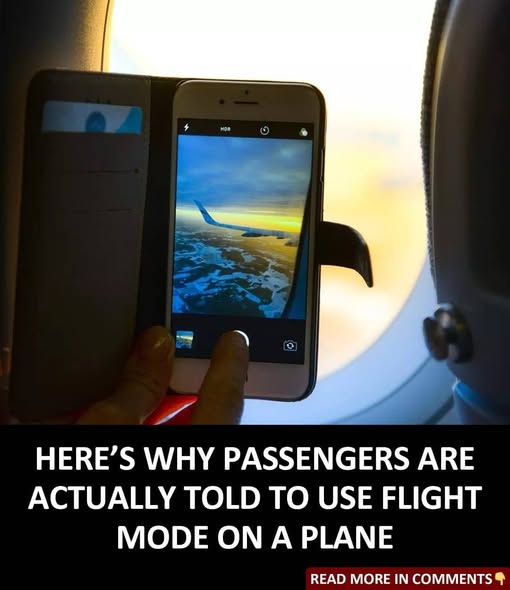
When you turn on airplane mode on a device, it turns off all radio transmissions such as cellular signals, Bluetooth, Wi-Fi and sometimes GPS. This means your phone stops trying to send or receive wireless data even if the screen is on.
✈️ Why You’re Asked to Use It on Flights
1. Reduces Electronic Signal Interference
Even though modern aircraft are well-shielded, multiple devices transmitting signals at the same time can create “radio noise.” These very weak radio waves can sometimes show up on cockpit communication equipment or headsets, making it harder for pilots to hear instructions clearly from air traffic control — especially during takeoff and landing. Pilots have reported hearing background buzzing similar to a mosquito or wasp in their headsets when devices aren’t in airplane mode, which can be distracting at critical moments.
2. Regulatory Requirements
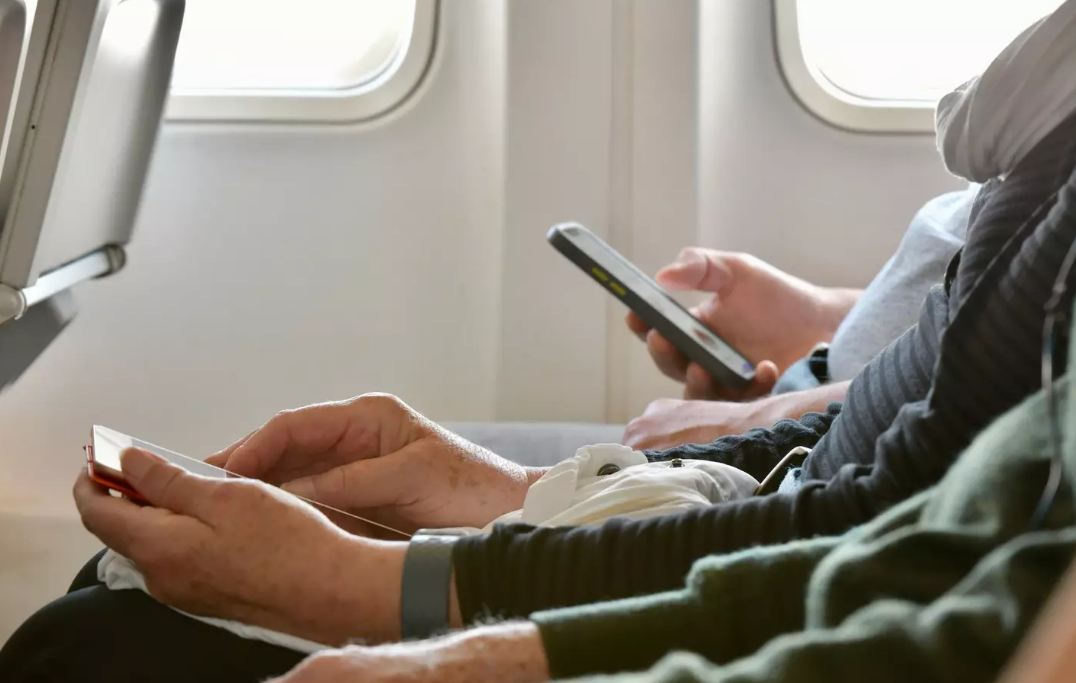
Airline regulations — especially in the U.S. and Europe — require that passengers disable cellular connections during flight. This is meant to minimize any risk of interference with flight navigation and communication systems, even if the risk is small. It’s worth noting that regulators don’t make this rule because phones definitely disrupt avionics — evidence of actual crashes caused by phones doesn’t exist — but because aviation relies on risk reduction and precautionary practice.
3. Helps With Communication Clarity
A large number of phones trying to connect to cellular towers as the plane moves quickly — maybe hundreds of towers in a short time — create lots of signal “chatter.” That chatter could overlap with frequencies used by aircraft radios or cockpit headsets. Turning on airplane mode cuts out that chatter entirely. This doesn’t mean one phone will bring down a plane — but when many devices transmit at once, it increases the chance of unwanted noise or interference.
4. Practical Benefits for Passengers
There’s also a side benefit: when your phone isn’t constantly searching for a signal it can’t find at soaring altitude, your battery lasts a lot longer. You can still use offline apps, downloaded videos, games, and music with airplane mode on. If the flight offers Wi-Fi, you can usually turn Wi-Fi back on while keeping cellular turned off — that way you stay connected through the plane’s system, not the ground network.
Why This Rule Still Exists Today
Some people wonder why airplane mode is still required when most modern jets and electronics are very advanced. There are a few key reasons:
⚖️ Precaution Over Risk
Even if interference very rarely causes real issues, aviation prefers to prevent any potential problem rather than wait for one to occur.
Network Overload Prevention
At high altitude and speed, phones may try to connect to many cell towers at once — something ground networks aren’t designed for — which could cause problems with terrestrial connectivity. Turning on airplane mode stops that.
Passenger Attention
Airplane mode also limits noisy calls or alerts during critical flight phases when passengers should be paying attention to safety instructions.
Bottom Line
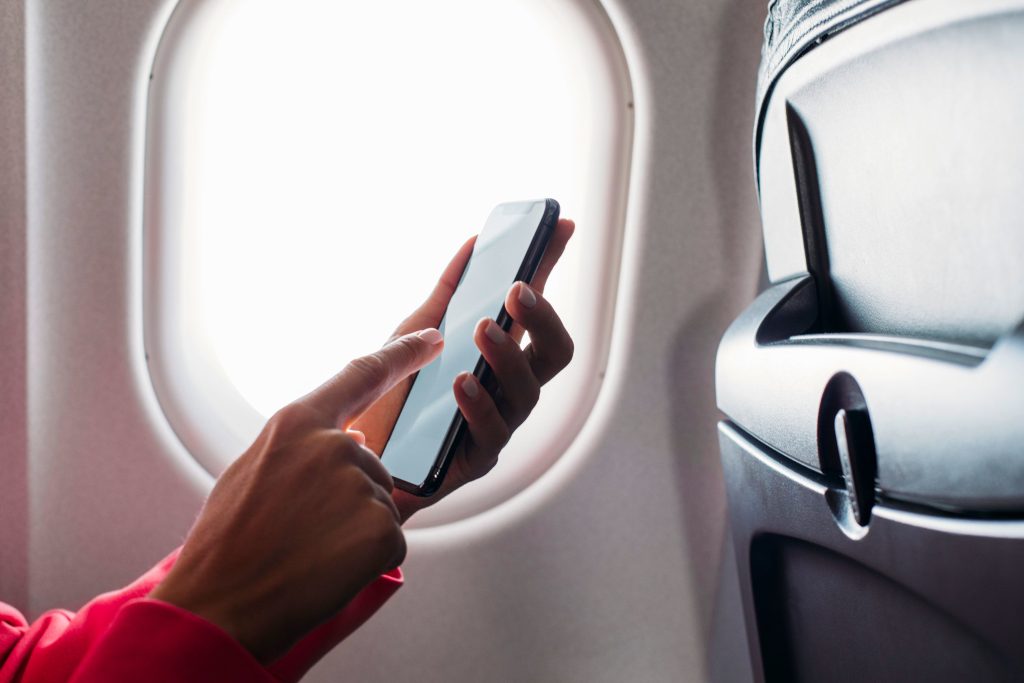
So the real reason airlines still want you to switch to airplane mode isn’t because the plane will fall out of the sky if you don’t — instead it’s:
✔ To minimize electromagnetic noise
✔ To protect vital communications between pilots and air traffic control
✔ Because rules require it
✔ And as a precautionary safety practice
All of these add up to smoother, quieter, and safer flights for everyone.