

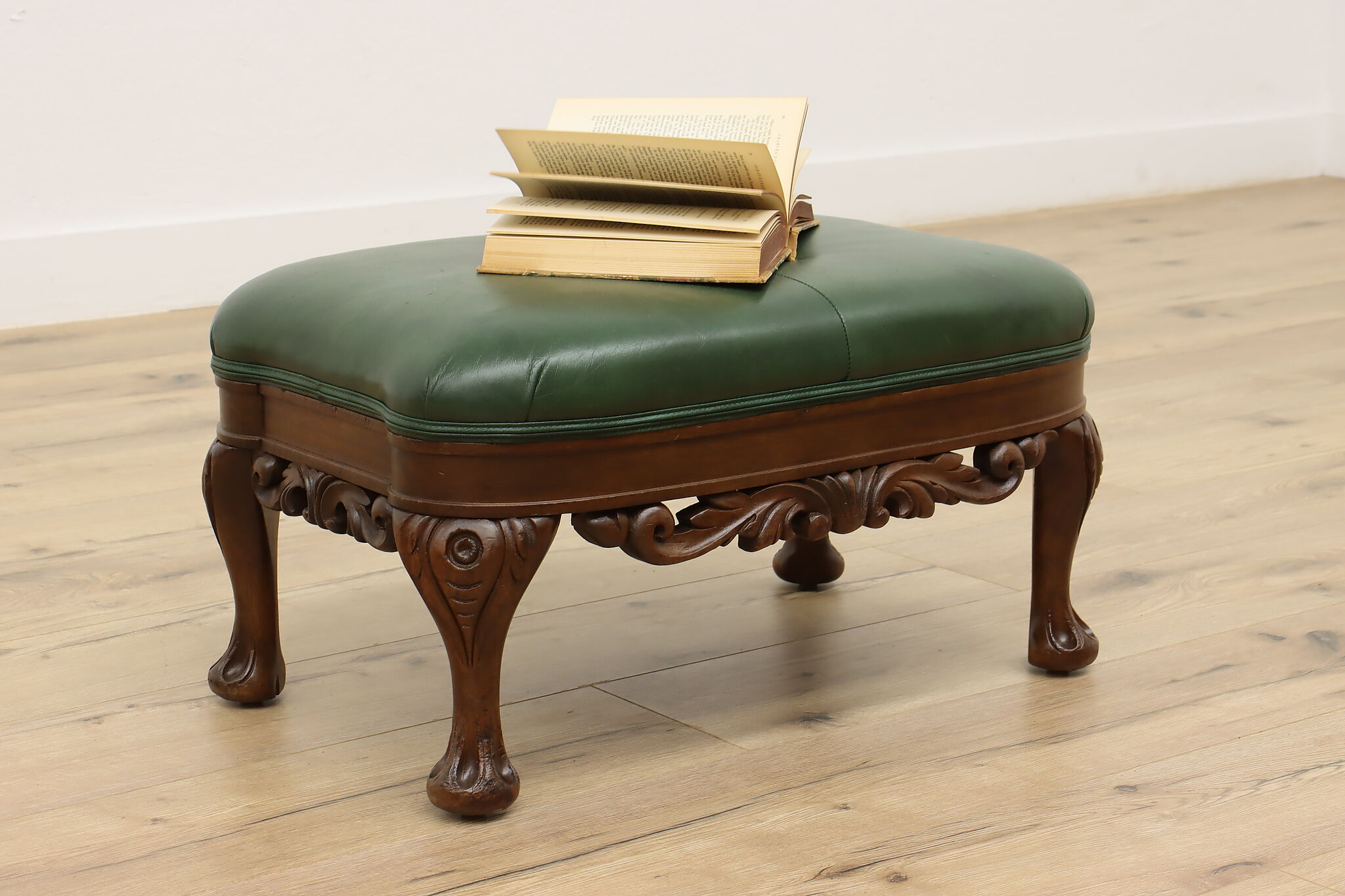
A peculiar piece of furniture has become the latest viral sensation on social media: a humble green seat that many recognize instantly from living rooms, basements, and family homes around the world. The post describes it as “the one everyone used but no one owned,” doubling as a footrest, extra chair, storage box, and cosy corner spot. Across platforms like TikTok and Instagram, people are sharing photos and memories of this unmistakable piece, turning what was once an ordinary household object into a collective moment of nostalgia.
It’s funny how an item so simple can trigger such widespread recognition. The image of the green seat often positioned quietly in the corner of a living room resonates with people from a variety of cultural and geographic backgrounds because it evokes shared experience more than interior design aspiration.
More Than Just a Chair
What makes this green seat stand out, and what turned it into an internet phenomenon, is its multipurpose nature and the emotional memories attached to it. Many people describe how it served different functions over the years:
- A footrest during family movie nights
- A seat when extra guests visited
- A storage spot for blankets, magazines, or board games
- A makeshift table for meals eaten while watching TV
Because it wasn’t “special” or expensive, it tended to be passed around and used by everyone — yet somehow no one claimed it as theirs. This shared ownership in memories, rather than legal ownership, is at the heart of why the green seat has captured the imagination of thousands online. People on social media aren’t just discussing how familiar the piece looks — they’re telling stories about the moments tied to it. Some joke that it was older than the home itself, while others recall cousins and siblings fighting over who gets to sit there. These anecdotes turned the seat into a cultural touchstone, a symbol of family life and the informal furniture that quietly shaped so many shared spaces and days.
Why Ordinary Objects Go Viral
At first glance, a green seat might seem like an unlikely candidate for internet fame. But cultural observers point out that ordinary objects often gain symbolic power precisely because they feel familiar to many. Furniture, dishes, blankets, even patterns and colors can act as triggers for collective memory. When people recognize something from their own daily life in a viral image, it evokes a sense of shared experience that drives engagement. Even beyond its nostalgic appeal, the green seat resonates because it represents a kind of everyday reliability. Unlike sleek designer pieces that change with trends, this seat endured — often outliving decor fads and serving countless practical purposes over the years. That endurance reflects the way many of us remember home: not through curated style magazines, but through the useful, worn‑in pieces that supported real life.
A Symbol of Shared Spaces
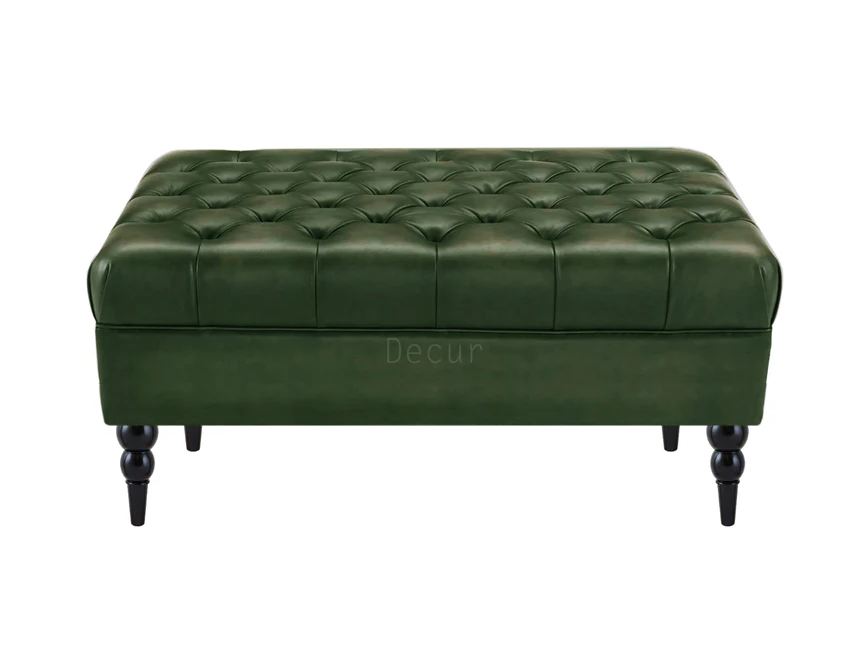
Some people have even taken the trend further by reflecting on what the green seat says about how we use shared space within the home. Furniture like this occupies a kind of liminal territory — not too prominent, not too expensive, but always available. It sits at the intersection between comfort and utility, presence and invisibility. In many ways, it embodies the idea that our homes are defined less by showpieces and more by everyday intercourse with objects that quietly witness family life.
Looking Back, Not Forward
The green seat meme reminds us that sometimes nostalgia isn’t about fleeting fashion or high design. It’s about small, ordinary things that were there for us, day in and day out. Whether everyone used it as a footrest during long evenings or tucked blankets inside it on cold mornings, the viral trend celebrates something deceptively simple — a piece of furniture that became a touchpoint for shared memories and communal stories across ages, homes, and cultures.