

Have you ever woken up, looked in the mirror, and noticed a yellowish crust or “gunk” in the corners of your eyes? This is a very common occurrence that most people experience at some point. While it can look strange or unsettling, in most cases it’s a normal part of how your eyes clean themselves during sleep.
Why It Forms Overnight
Your eyes are constantly producing tear film — a mixture of tears, mucus, oils, and proteins that keeps the surface of your eye moist and free of debris. During the day, normal blinking spreads this tear film across the eye and helps wash away particles like dust and bacteria. At night, however, you stop blinking for long periods, and your eyes aren’t constantly being refreshed. This causes the components of the tear film — including mucus from the conjunctiva, oils from glands in your eyelids, dead skin cells, and other tiny particulates — to collect in the corners of your eyes and along your lash line. As this moisture evaporates during sleep, the material dries and forms a crusty or sticky residue with a slightly yellow or whitish tint. Scientists refer to this natural eye discharge as rheum. What many people see is simply this dried mixture waiting to be wiped away in the morning.

A Sign of Your Eye’s Cleaning System
Some explanations liken this dried crust to the aftermath of your eyes’ self-protective process. While you’re asleep, your eyes continue to clear out bacteria, debris, and microscopic irritants. When you wipe away that yellow crust, you’re basically removing the remnants of that overnight cleaning. It’s similar to how your body uses mucus in your nose to trap and remove unwanted particles — the eye uses its own tiny cleaning mechanisms to keep the surface healthy.
When the Discharge Is Still Normal
In most cases, this light yellow or whitish eye crust is completely harmless and doesn’t mean anything is wrong. A small amount of discharge each morning is normal and simply a sign that your eyes are doing their job of maintaining moisture and cleanliness.
Here are normal characteristics:
- Crusty or flaky in texture
- Slightly yellow or off-white in color
- Only present in small amounts in the morning
- Easily wiped away
- If the color is pale and the discharge is minimal, it’s usually just the normal tear film components dried overnight.
When to Be Cautious
While a bit of yellow crust is normal, certain signs can suggest an eye infection or other health issue:
- Very thick, bright yellow or green discharge that continues throughout the day
- Eyelids stuck together when you wake up
- Pain, itchiness, or a gritty sensation
- Redness, swelling, or sensitivity to light
- These symptoms may be associated with conditions such as bacterial conjunctivitis (pink eye), a stye, or blepharitis, all of which can produce abnormal discharge. In these cases, you should consult a healthcare provider.
Not to Be Confused With Yellowing of the Eye Whites
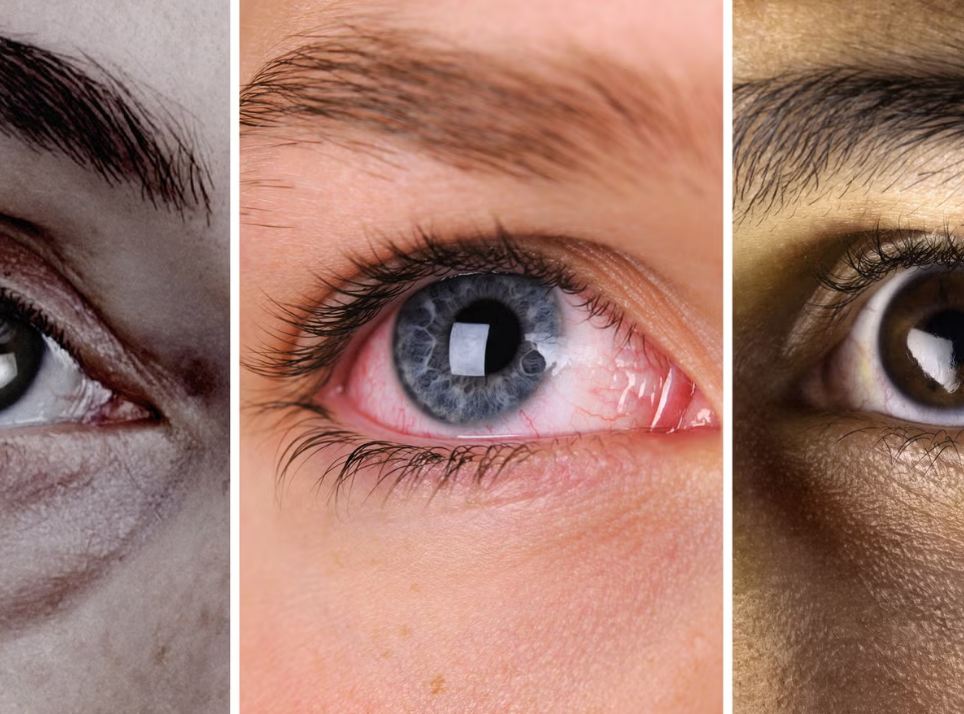
It’s important to distinguish between morning eye crust and a yellow coloration of the whites of the eyes (sclera), which is something different. If the white part of your eyes appears yellowish consistently, that may be due to jaundice, a condition associated with elevated levels of bilirubin in the blood. Jaundice can result from liver, gallbladder, or blood conditions and requires medical evaluation.
How to Safely Clean Your Eyes
To gently remove normal eye discharge:
- Wash your hands thoroughly before touching your eyes.
- Moisten a clean washcloth with warm water.
- Close your eyes and place the cloth over your eyelids for a minute or two.
- Gently wipe from the inner corner outward, using a fresh area of cloth each time.
- Avoid rubbing vigorously, as this can irritate the delicate skin and eye surface.
Bottom line: Most of the yellow crust you see when you wake up is normal eye discharge (rheum) — a mix of tear film components, debris, and dried mucus that your eyes have naturally produced overnight. It’s harmless unless accompanied by other concerning symptoms.