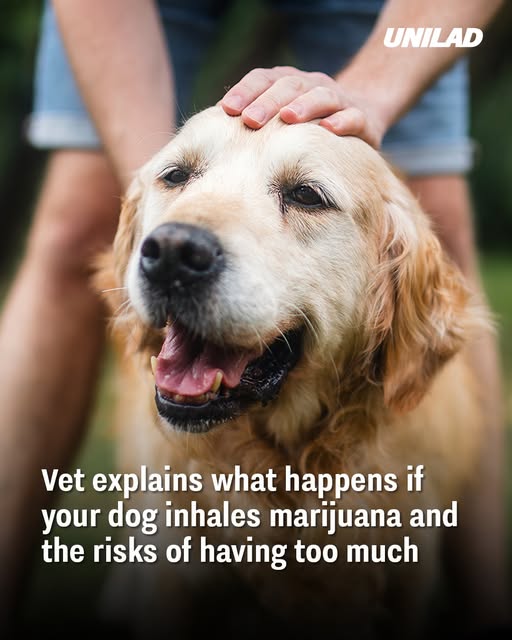
Veterinarians are raising concerns after an increasing number of dogs are being brought in with symptoms linked to cannabis exposure. As marijuana use becomes more common in some households, accidental inhalation or ingestion by pets is emerging as a serious safety issue. Dogs are particularly vulnerable because of their smaller size and different metabolism.
Experts stress that what may seem harmless to humans can be dangerous and distressing for animals.
How Dogs Can Be Exposed to Marijuana
Dogs may inhale marijuana smoke in enclosed spaces or come into contact with cannabis products left within reach. Edibles, oils, and even discarded items can pose risks if curious pets sniff, lick, or ingest them. Unlike humans, dogs cannot process certain compounds effectively, making even small amounts potentially harmful. Secondhand smoke can also affect pets, especially in poorly ventilated environments.

Common Symptoms of Cannabis Exposure
Signs of marijuana exposure in dogs can appear quickly or develop over several hours. Common symptoms include disorientation, excessive drooling, loss of balance, vomiting, dilated pupils, and unusual lethargy. Some dogs may appear anxious or unusually calm, while others struggle to stand or respond normally. In more severe cases, tremors or breathing difficulties may occur, requiring immediate veterinary attention.
Why Cannabis Affects Dogs Differently
Dogs have a higher concentration of receptors in their brains that respond to certain compounds found in marijuana. This makes them more sensitive to its effects compared to humans. Their smaller body weight also means that exposure levels that seem minor can lead to pronounced reactions. This difference highlights why pets should never be exposed intentionally or accidentally.
What to Do If You Suspect Exposure
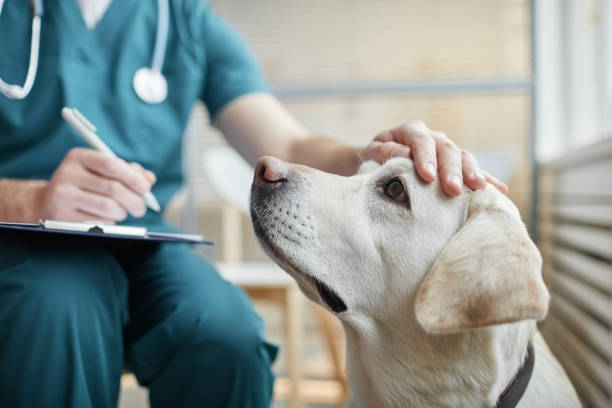
If a dog shows unusual behavior and cannabis exposure is suspected, veterinarians recommend seeking professional help immediately. Honest communication with the vet is essential, as it helps determine the most appropriate treatment. Early intervention can reduce discomfort and prevent complications. In many cases, supportive care and monitoring are enough for recovery when treatment is prompt.
Treatment and Recovery Expectations
Treatment depends on the severity of symptoms. Mild cases may require observation and hydration, while more serious cases could involve medication to control nausea, anxiety, or tremors. Most dogs recover fully within a day or two when given proper care. However, delays in treatment can increase risks, especially for smaller or older pets.
Preventing Future Incidents
Prevention is the most effective approach. Keeping all cannabis-related products securely stored and avoiding smoking near pets can significantly reduce risks. Ensuring proper ventilation and maintaining pet-free zones during use are additional safety measures. Pet owners are encouraged to be mindful of their surroundings and remember that animals cannot choose to leave an unsafe environment.
Raising Awareness Among Pet Owners
Veterinarians emphasize the importance of education as cannabis laws and social attitudes evolve. Many pet owners are unaware that secondhand exposure alone can cause harm. Sharing information and promoting responsible habits can help protect animals from unnecessary distress and medical emergencies.
Conclusion
Cannabis exposure in dogs is an avoidable but increasingly common problem. Understanding the risks, recognizing symptoms early, and taking preventive steps can protect pets from harm. By prioritizing pet safety and maintaining a responsible environment, owners can ensure their animals remain healthy, comfortable, and secure.