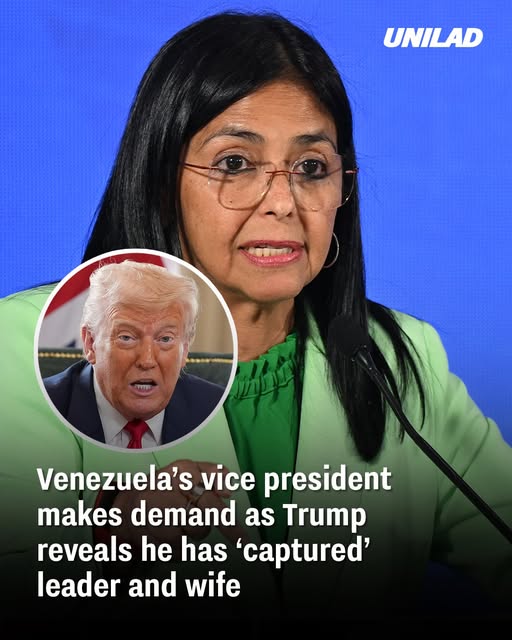
Tensions between the United States and Venezuela have escalated dramatically following recent claims by former US President Donald Trump that American forces captured Venezuelan President Nicolás Maduro during a military operation. In response, Venezuela’s Vice President Delcy Rodríguez issued a strong statement condemning the alleged action and calling for Trump himself to be captured and held accountable under international law.
The exchange has intensified an already volatile situation, raising serious concerns about sovereignty, legality, and the potential for further conflict in the region.
US Claims Trigger Outrage in Caracas
The controversy began after Trump publicly stated that US forces had carried out a successful operation in Venezuela, allegedly capturing Maduro and removing him from power. Trump suggested that the intervention was necessary to restore order and stability, sparking immediate backlash from Venezuelan officials. Caracas rejected the claims outright, describing them as false, reckless, and deliberately provocative. Government officials insisted that Maduro remained in Venezuela and accused the US of spreading misinformation to justify aggression.

Vice President Calls for Proof and Accountability
Vice President Delcy Rodríguez responded forcefully, demanding proof of life for Maduro and his wife, Cilia Flores. She questioned the legitimacy of Trump’s statements and accused the US of fabricating events to destabilize the country. Rodríguez went further, calling Trump a criminal responsible for years of sanctions, economic hardship, and political interference in Venezuela. She argued that if any arrests were to be made, Trump should be the one detained and tried for violating international law and undermining Venezuelan sovereignty.
Claims of Illegal Intervention
Venezuelan officials framed the alleged operation as an illegal act of foreign invasion. Rodríguez stated that no country has the right to seize the leadership of another nation, regardless of political disagreements. She warned that such actions set a dangerous precedent and could lead to widespread instability across Latin America. The Venezuelan government also accused the US of attempting to seize control of national resources, particularly oil, under the guise of restoring democracy. Officials claimed these actions mirrored past interventions that resulted in prolonged unrest and humanitarian crises.
Domestic and Regional Reactions
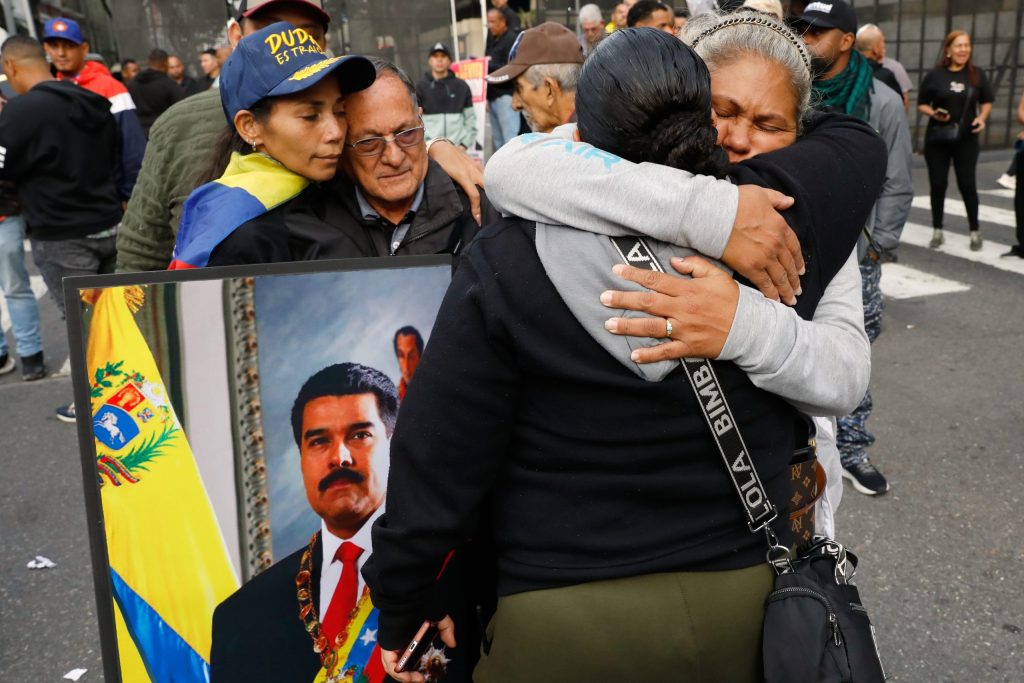
Inside Venezuela, reactions have been mixed. Government supporters rallied behind Maduro and denounced foreign interference, while opposition voices expressed confusion and concern over the conflicting narratives. Some urged transparency and calm, warning that misinformation could trigger unrest. Across the region, leaders have called for restraint and verification of facts. Several governments emphasized the importance of diplomatic solutions and respect for international law, urging both sides to avoid escalation.
Questions Surrounding Legality and Authority
Legal experts have raised questions about the authority behind Trump’s claims. Critics argue that any military action would require congressional approval and international oversight, neither of which has been clearly demonstrated. The lack of verified evidence has further fueled skepticism about the situation. Meanwhile, Trump’s suggestion that the US could temporarily oversee Venezuela’s governance has drawn sharp criticism from legal scholars, who warn that such a move would violate multiple international agreements.
A Situation Still Unfolding
As of now, there is no independent confirmation of Maduro’s capture, and Venezuelan leadership continues to operate publicly. The conflicting accounts have created uncertainty, leaving citizens and the international community struggling to determine the truth. What remains clear is that the rhetoric on both sides has intensified, increasing the risk of diplomatic rupture or worse. The coming days will be critical in determining whether tensions ease through dialogue or spiral into a broader confrontation.
Conclusion
The demand by Venezuela’s vice president for Donald Trump’s capture underscores the seriousness of the current crisis. With claims, counterclaims, and little verified information, the situation highlights the fragile balance of power in international politics. How this standoff is resolved may have lasting consequences not only for Venezuela and the United States, but for regional stability across the Americas.