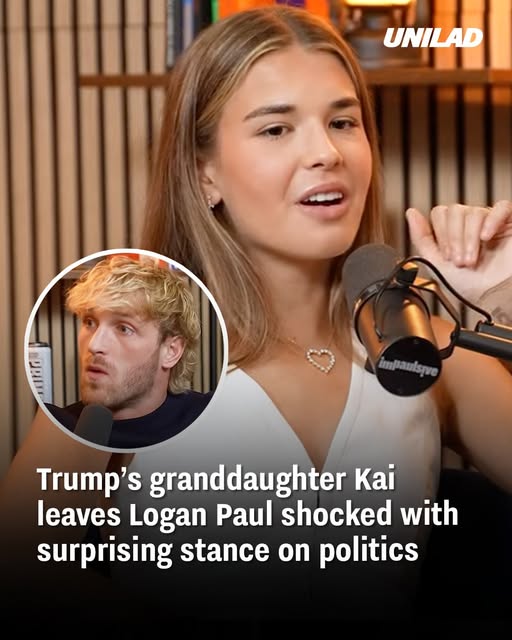
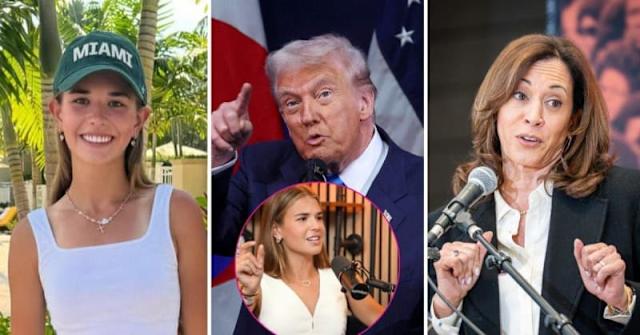
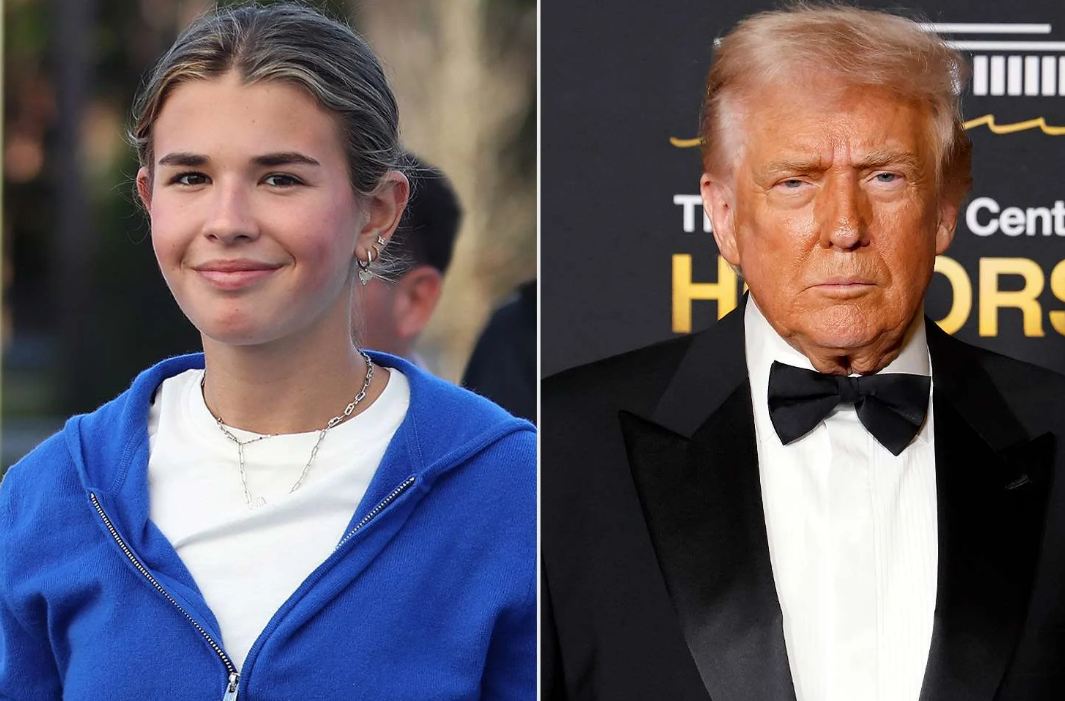
Donald Trump’s family has often found itself in the public eye, but recently it was his granddaughter, Kai Trump, who drew widespread attention. Her comments about politics and public figures have ignited debate across social media, raising questions about the growing influence of younger members of famous political families.
Kai, who has largely stayed out of political discussions until now, surprised many by openly expressing her views during a recent online appearance. While she did not directly announce any political ambitions, her remarks suggested a strong awareness of the current political climate and the controversies surrounding her grandfather’s legacy.
A New Generation Finds Its Voice
As the granddaughter of one of the most polarizing political figures in modern American history, Kai Trump’s words carry added weight. Observers noted that her tone was confident and articulate, reflecting the perspectives of a younger generation that has grown up amid constant political discourse. Unlike older members of the Trump family, Kai’s comments appeared less rehearsed and more conversational. This authenticity resonated with many viewers, particularly younger audiences who value transparency and directness. However, critics were quick to scrutinize her statements, arguing that family ties inevitably shape public perception.
The Role of Social Media in Political Identity
Social media played a crucial role in amplifying Kai’s comments. Clips and quotes spread rapidly, sparking discussions on platforms where political opinions are often magnified and polarized. Supporters praised her for speaking openly, while detractors questioned whether she should be engaging in political conversations at such a young age. This reaction highlights how social media has transformed political engagement. Today, even brief remarks can become viral moments, especially when they come from individuals connected to powerful political figures. For Kai, this means navigating public attention that extends far beyond a typical online presence.
Comparisons to Other Political Families
Kai Trump’s emergence has also led to comparisons with other children and grandchildren of prominent politicians. In recent years, younger members of political dynasties have increasingly used digital platforms to share opinions, advocate for causes, or simply establish their own identities. While some choose to distance themselves from politics entirely, others embrace the conversation. Kai’s comments suggest she may fall somewhere in between, acknowledging her background without fully stepping into a political role. This balance is delicate, particularly given the intense scrutiny surrounding the Trump name.
Public Reaction and Ongoing Debate
The public response has been mixed but undeniably intense. Supporters argue that Kai has the right to express herself and should not be silenced due to her family background. Others believe that any political commentary from a Trump family member will inevitably be viewed as strategic or symbolic. Regardless of where opinions fall, one thing is clear: Kai Trump’s remarks have reignited discussions about political legacy, generational change, and the impact of famous surnames. Her voice, whether intentionally or not, has become part of a broader cultural conversation.
What This Moment Represents
Kai Trump’s unexpected spotlight moment reflects a shifting political landscape where age and traditional roles matter less than visibility and engagement. Whether she continues to share her views or steps back from public commentary, this moment underscores how political influence can emerge in new and unexpected ways. As audiences continue to debate her comments, Kai’s experience serves as a reminder of how quickly private individuals connected to public figures can become part of national discussions—sometimes without intending to do so.