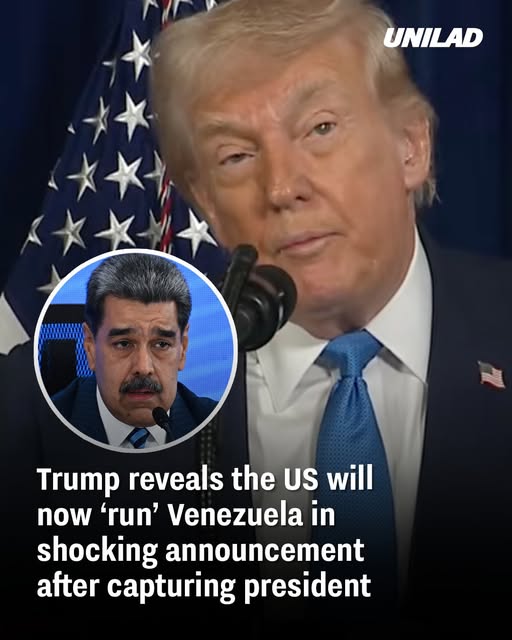
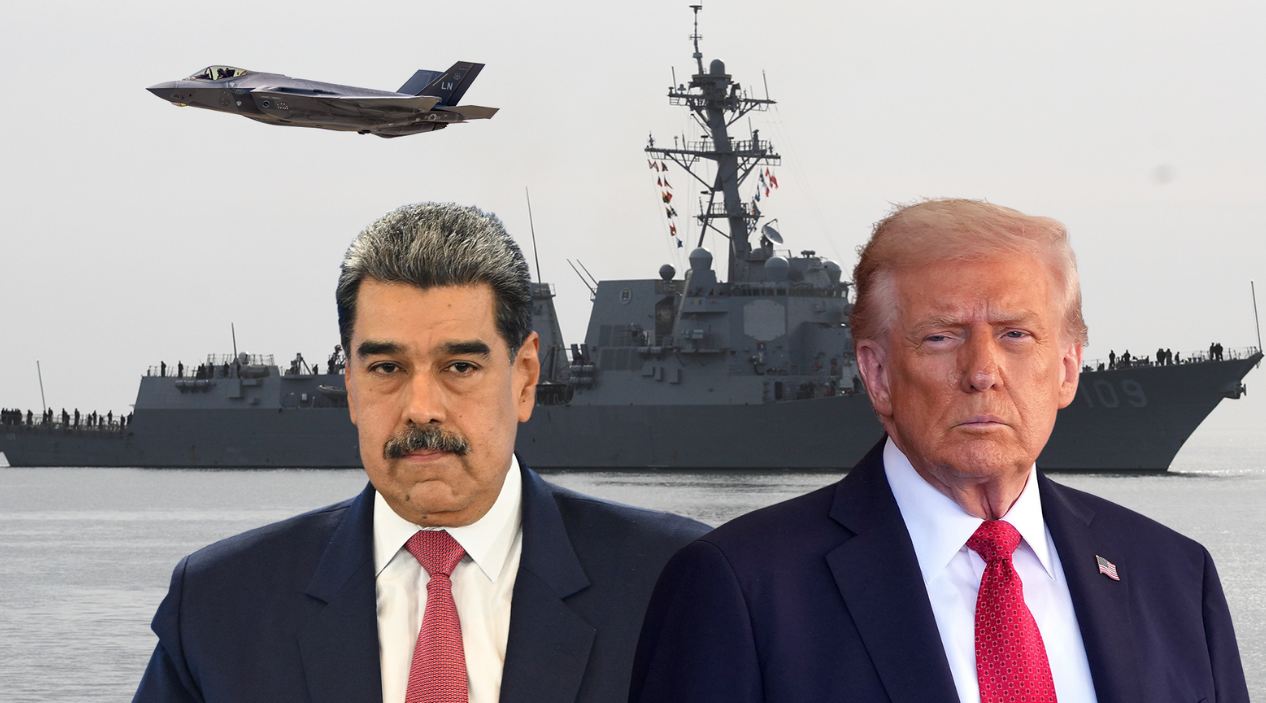
On January 3, 2026, U.S. President Donald Trump announced a major military operation against Venezuela, saying that American forces had carried out strikes and captured Venezuelan President Nicolás Maduro and his wife, Cilia Flores. According to the U.S., Maduro and his wife were flown out of the country toward prosecution after the operation.
Explosions and military activity were reported in Caracas early in the morning, signaling one of the most serious escalations between the two countries in decades.
Trump’s Announcement: Running Venezuela
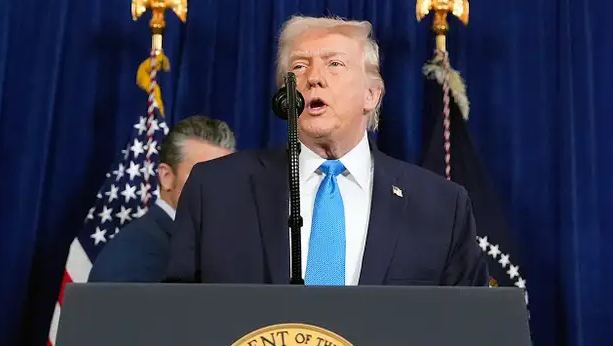
After the capture of Maduro, Trump made a surprising and historic declaration: the United States would “run” Venezuela, at least temporarily, until a stable and “proper transition” of power can be arranged. In remarks from his Florida estate, Trump said the U.S. would be strongly involved in deciding Venezuela’s future, including the management of its crucial oil industry, which has long been one of the country’s economic pillars. Officials have framed the move as necessary to ensure stability and support a transition — but details about how this will work legally or practically were not fully explained at the time of the announcement.
Venezuela’s Reaction
The Venezuelan government has denounced the U.S. actions as an imperialist attack and violating the nation’s sovereignty. Officials declared a state of emergency and called for resistance against what they characterize as foreign aggression. Opposition voices within Venezuela have offered mixed responses; some see Maduro’s removal as a potential turning point, while others condemn the U.S. intervention. There have also been disputes over whether Maduro was actually captured on the ground or if other accounts of his whereabouts are accurate, with some officials demanding proof of the operation’s claims.
Global and Regional Reactions
International reactions to this development are deeply divided:
Some U.S. politicians and Venezuelan diaspora communities have welcomed the operation as a blow to a regime they consider corrupt and authoritarian. Other governments and organizations have condemned the strike as a dangerous precedent, saying military action without clear legal authorization undermines international norms. Critics of the operation argue that Congress was not formally consulted before the strikes — raising concerns about constitutional authority and U.S. foreign policy norms.
What This Means Next
Key uncertainties remain about what happens now:
- How long the U.S. will remain involved in governing Venezuela is unclear — Trump has not given a timeline.
- The legal framework for American administration of another sovereign country has not been laid out publicly, raising questions about both U.S. and international law.
- Venezuelan politics now face the challenge of choosing new leadership and establishing stability without Maduro at the helm.
Conclusion
The situation surrounding Venezuela marks one of the most dramatic and controversial moments in recent international politics. Claims of military action, the reported capture of a sitting president, and statements about foreign control over a sovereign nation raise serious legal, political, and humanitarian questions. Regardless of how events ultimately unfold, the developments have already sent shockwaves through global diplomacy and intensified debates about intervention, sovereignty, and international law. What happens next will depend on verification of the facts, international response, and the ability of Venezuela to move toward stability without further escalation. As reactions continue to emerge and details are clarified, the world will be watching closely to see whether this moment leads to lasting change, deeper conflict, or a prolonged period of uncertainty for the Venezuelan people and the wider region.