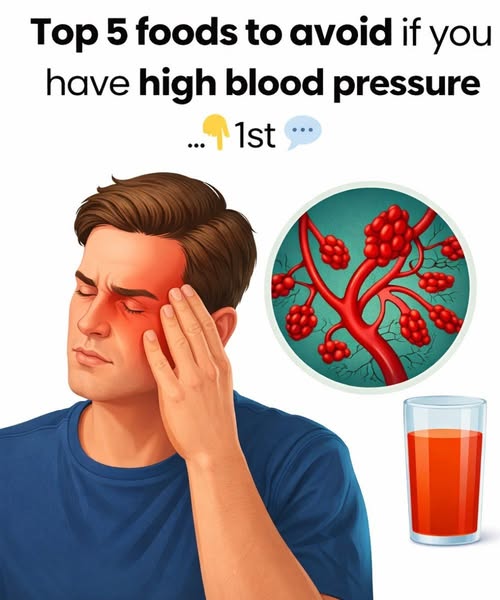
High blood pressure, also known as hypertension, is one of the most common health concerns in adults, and diet plays a major role in keeping it under control. Many people focus on what they should eat like fruits, vegetables, and whole grains but it is just as important to know which foods can quietly make blood pressure worse. The biggest problem is often not obvious junk food, but everyday items packed with sodium, unhealthy fats, and added sugars. Health organizations consistently recommend lowering sodium, limiting saturated fat, and following a heart-healthy eating plan such as DASH to help reduce blood pressure.
1) Processed Meats
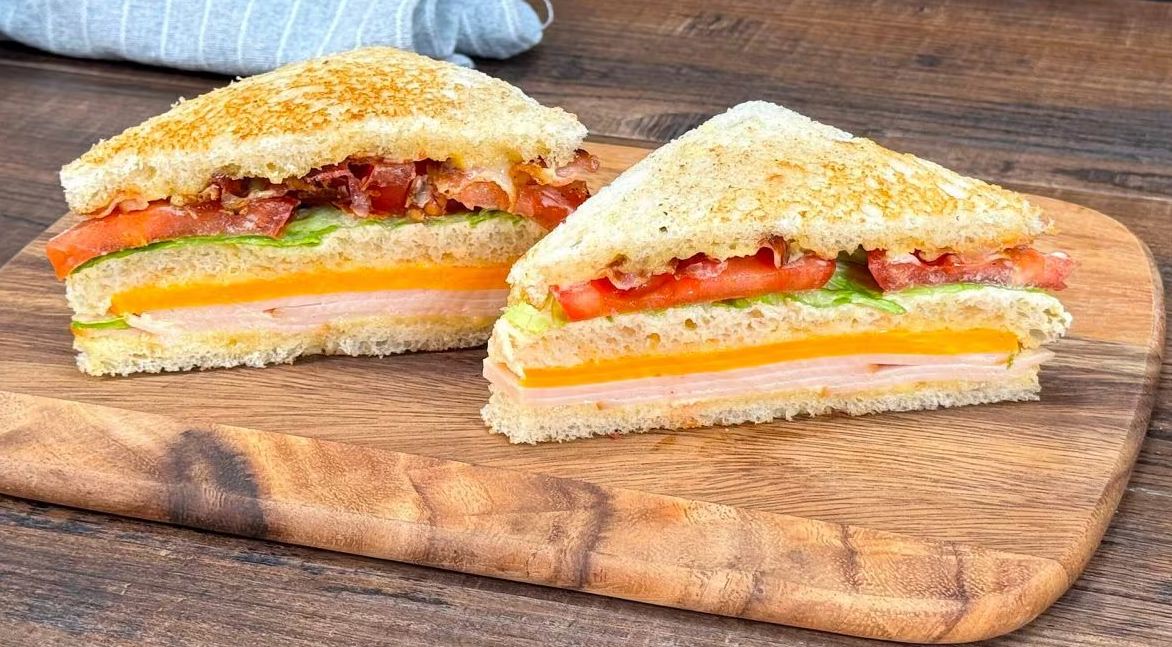
Processed meats are one of the worst foods for people with high blood pressure. Items like bacon, sausage, hot dogs, deli meats, salami, and cured ham are often loaded with sodium, preservatives, and saturated fat. Even small portions can contribute a large amount of your daily sodium limit. The American Heart Association notes that deli meat sandwiches and processed meat products are common hidden sodium sources, while Mayo Clinic also lists processed meats among foods to watch when trying to lower blood pressure. If you want a better option, choose fresh chicken, turkey, fish, beans, or other lean proteins instead.
2) Canned Soups and Packaged Instant Meals
Canned soups, ramen cups, frozen dinners, and other packaged convenience meals may seem easy, but they are often packed with salt. Many people assume soup is a healthy choice, yet a single serving can contain a very high sodium level — and many cans actually contain more than one serving. The CDC and the American Heart Association both emphasize that most dietary sodium comes from processed and restaurant foods, not just from the salt shaker at home. If you have high blood pressure, look for “low-sodium” or “no salt added” versions, or make homemade soups where you can control the seasoning.
3) Salty Snacks
Chips, crackers, flavored popcorn, pretzels, and other savory snacks are easy to overeat and can quickly raise sodium intake. These foods are especially risky because people often eat them mindlessly between meals and may not realize how much salt they are consuming. The CDC lists chips, crackers, and savory snacks among major sodium contributors, and the American Heart Association specifically warns that these foods can make it much harder to manage hypertension. Swapping them for unsalted nuts, fresh fruit, yogurt, or raw vegetables can make a noticeable difference over time.
4) Fast Food and Restaurant Meals
Fast food burgers, pizza, fried chicken, burritos, sandwiches, and takeout meals are some of the most common hidden sodium bombs. Restaurant foods are often high not only in salt, but also in saturated fat and oversized portions. The American Heart Association identifies burgers, pizza, burritos, tacos, and pasta mixed dishes as common sodium-heavy foods, while the CDC says most sodium in modern diets comes from processed and restaurant meals. Even foods that do not taste especially salty can still contain large amounts of sodium because of sauces, seasoning blends, cheese, and processed ingredients.
5) Sugary Drinks and Heavy Desserts
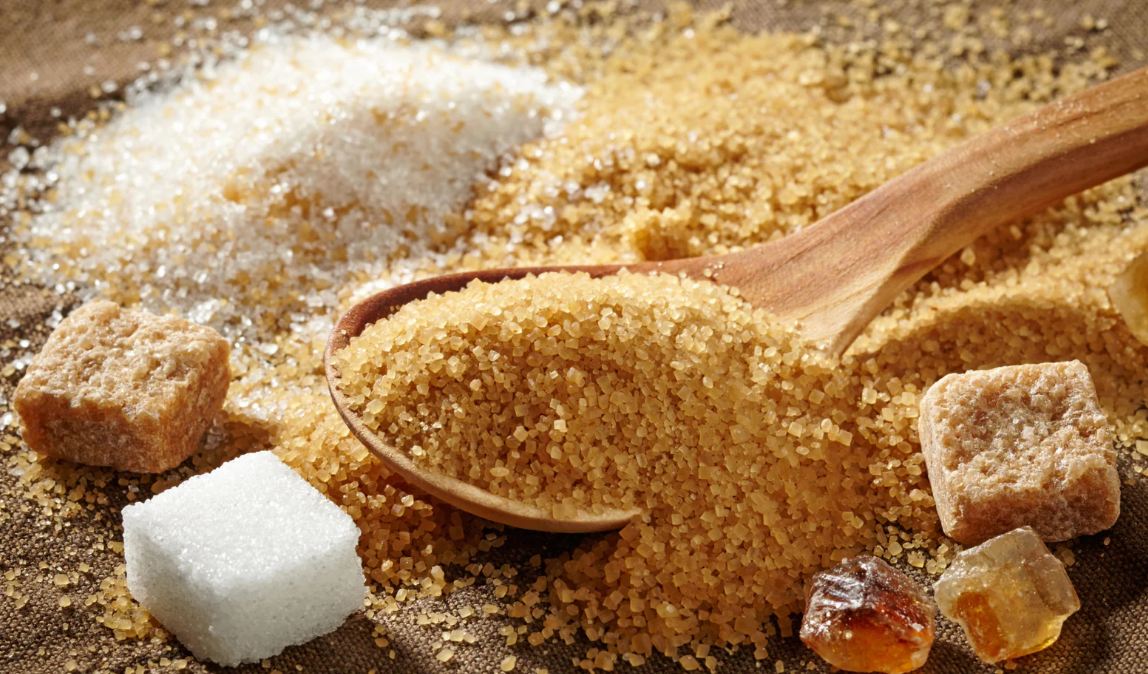
While sodium gets most of the attention, sugary drinks and rich desserts can also work against healthy blood pressure. Sodas, sweetened coffees, pastries, cakes, and packaged sweets may contribute to weight gain, insulin resistance, and poorer heart health over time. Mayo Clinic notes that maintaining a healthy weight is one of the most effective ways to lower blood pressure, and the DASH eating plan specifically recommends limiting sweets and sugar-sweetened beverages. These foods may not always be the saltiest, but they can still worsen the overall health picture that drives hypertension.
The Best Rule: Watch Sodium First
If you have high blood pressure, the most important food rule is simple: watch sodium first. Major health organizations recommend limiting sodium to no more than 2,300 mg per day, and ideally 1,500 mg per day for many adults with hypertension. At the same time, eating more potassium-rich foods from natural sources — if your doctor says it is safe — can help offset sodium’s effects. In general, the best approach is to build meals around fresh foods and cut back on heavily processed ones. That one change alone can make a big difference in protecting your heart.