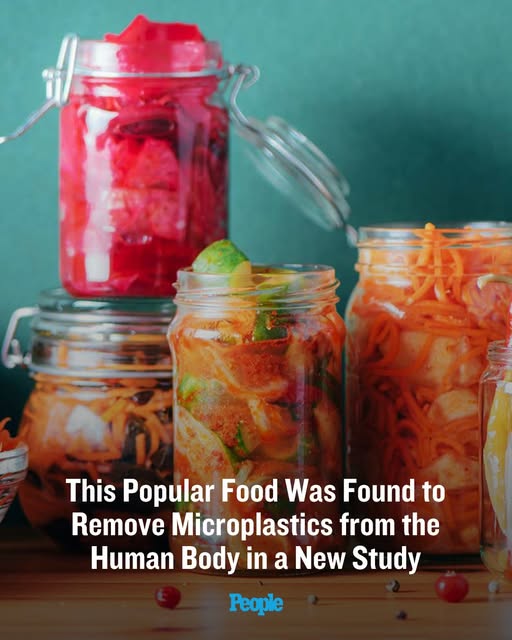
A popular everyday food may offer an unexpected health benefit: helping the body get rid of harmful microplastics. According to a new report highlighted by People, researchers have found that kimchi, the traditional Korean fermented vegetable dish, could play a role in removing nanoplastics from the body. The finding has sparked major interest because microplastics and nanoplastics have become a growing concern in recent years, with studies suggesting they can enter human tissues, organs, and even the bloodstream.
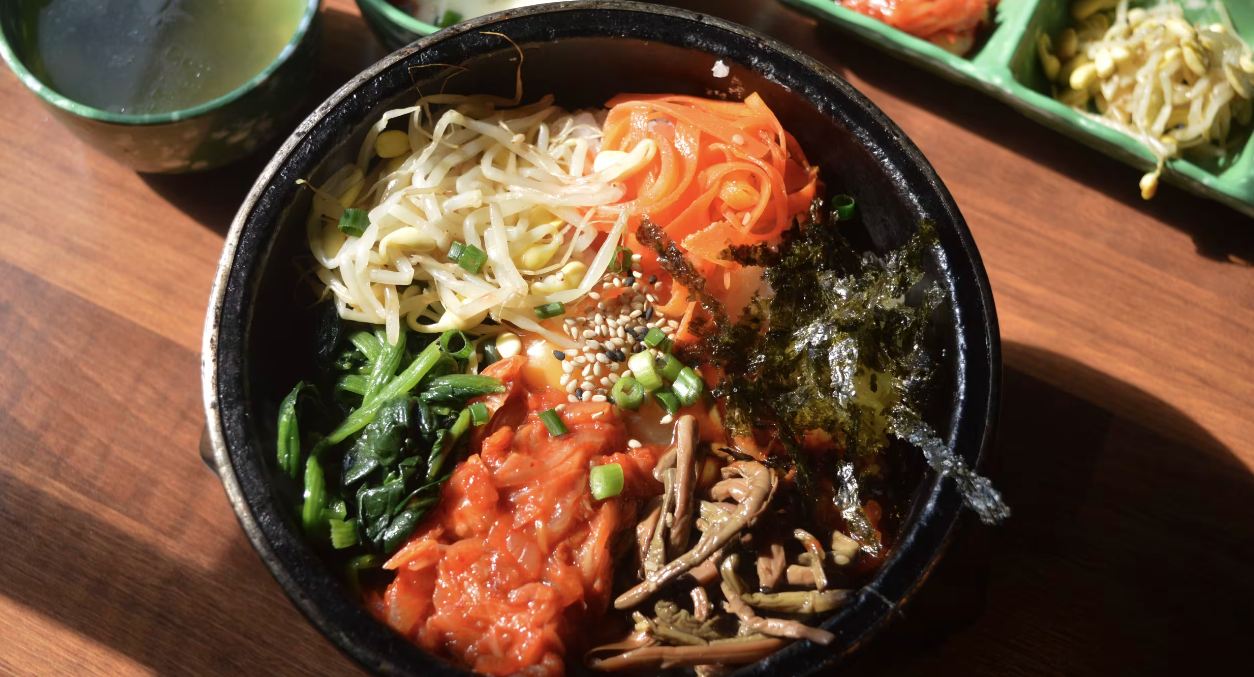
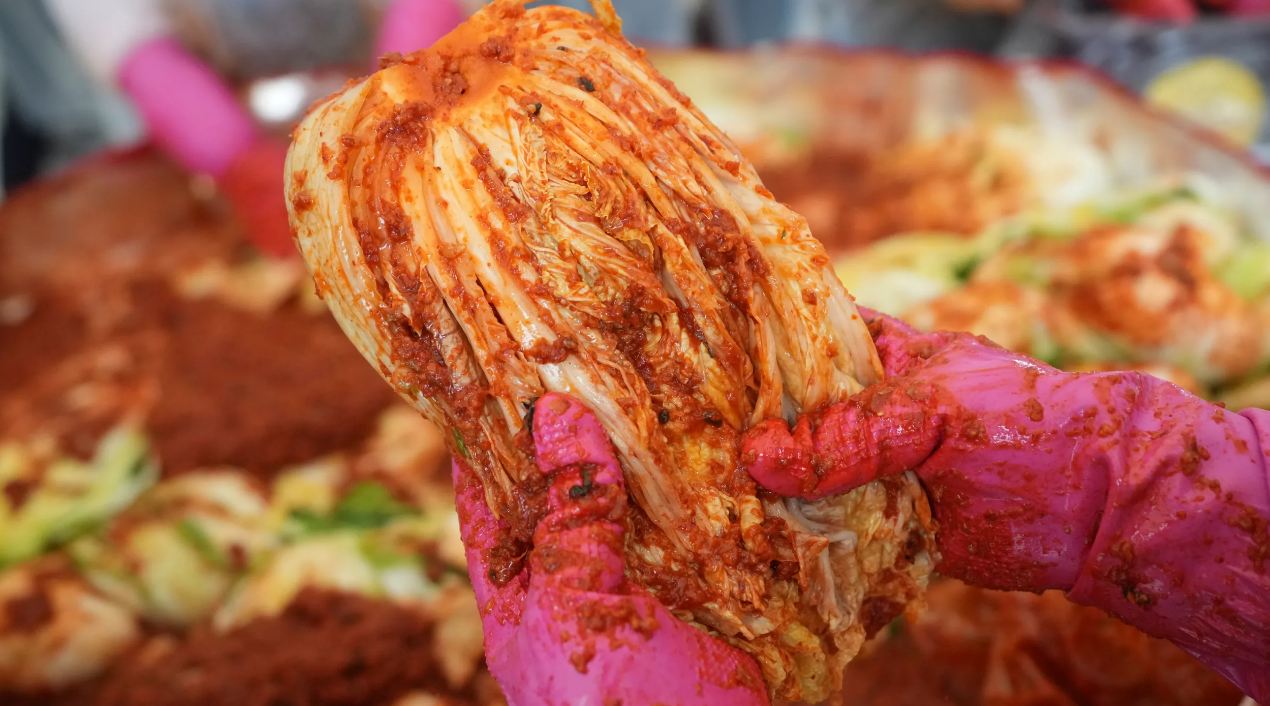
Kimchi, which is most commonly made from fermented napa cabbage or Korean radish, has long been praised for its probiotic and digestive benefits. But this latest research suggests it may do even more than support gut health. Scientists now believe certain bacteria naturally present in kimchi may help trap plastic particles inside the digestive system so the body can eliminate them more efficiently.
How Kimchi May Help the Body Fight Back
The study, published in the May 2026 issue of Bioresource Technology, focused on a lactic acid bacterium found in kimchi called Leuconostoc mesenteroides. Researchers discovered that when isolated, this probiotic strain appeared to bind to nanoplastics inside the intestine. That process may allow the particles to clump together and pass through the digestive tract rather than lingering in the body. In testing on mice, researchers found that both male and female mice given the kimchi-derived bacterial strain showed more than double the amount of nanoplastics in their feces compared with those that did not receive it. That suggests the probiotic may help the body excrete these particles instead of absorbing or retaining them. While the study was not conducted on humans, the results are being viewed as an encouraging early sign that certain fermented foods could support the body’s natural defenses against plastic exposure.
Why Microplastics Are Such a Big Concern
Microplastics and nanoplastics are tiny fragments that come from the breakdown of consumer products, packaging, synthetic fabrics, and environmental contamination. Because nanoplastics are even smaller than regular microplastics, they can move through the body much more easily. Researchers have warned that these particles may enter cells, tissues, and even cross the blood-brain barrier. Recent studies have repeatedly raised concerns about how widespread this exposure has become. One report found that bottled water can contain significantly higher concentrations of micro- and nanoplastics than treated tap water, while another suggested people may inhale tens of thousands of plastic particles every day inside homes and cars. Scientists still do not fully understand the long-term health effects, but many experts believe reducing exposure wherever possible is a smart step.
Kimchi Isn’t the Only Food Being Studied
Interestingly, kimchi is not the only food being explored for its possible anti-microplastic effects. The People report also noted that okra and fenugreek have shown promising results in related research. In separate testing, scientists found that when these plants were added to contaminated water, they helped clump microplastics together, causing them to separate from the liquid and sink. That doesn’t directly prove they work the same way inside the human body, but it suggests certain natural compounds may have a useful binding effect.
A Promising Finding — But Not a Cure
While the study is exciting, it is important to keep expectations realistic. This does not mean kimchi is a miracle cure for microplastics, and the current findings are still early. The research involved lab testing and animal models, not large-scale human trials. Still, it adds to growing evidence that diet — especially probiotic-rich and plant-based foods — may eventually become part of the conversation about lowering the body’s plastic burden. For now, the takeaway is simple: kimchi may be more than just a flavorful side dish. It could also become one of the most interesting foods scientists are watching in the fight against microplastics.