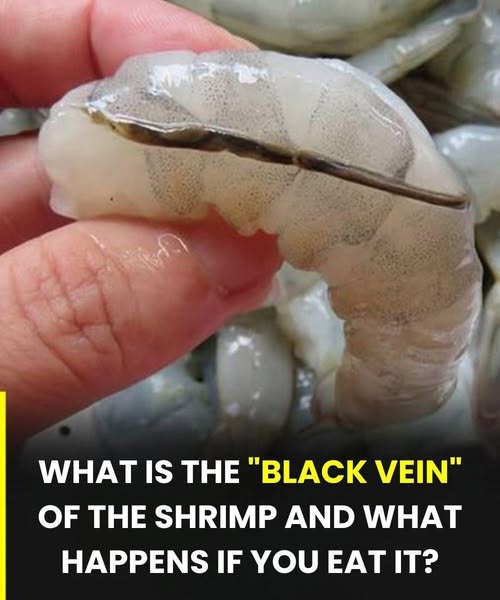
Shrimp is celebrated in cuisines across the globe for its delicate flavour and tender texture, making it a favourite ingredient from casual weeknight meals to elegant dinner parties. But one small detail often sparks questions among home cooks: the dark line that runs along the back of a shrimp. Many people refer to this as the “vein”, and there’s a lot of confusion around what it actually is and whether it should be removed before cooking.
What the Dark Line Really Is
Despite its name, the shrimp’s “vein” isn’t a vein at all. Biologically, this line is the digestive tract — essentially the shrimp’s intestine — and it can contain remnants of what the animal ate before being caught, such as algae, plankton, or small particles from its surroundings. Because of this, the line can appear dark brown or black in colour. The colour and visibility of this digestive tract vary depending on the shrimp species, its diet, and how it was processed after harvest. In some shrimp, the line is barely noticeable; in others, it’s pronounced and easy to spot along the curve of the shrimp’s back.
Is It Safe to Eat Shrimp With the Vein Intact?
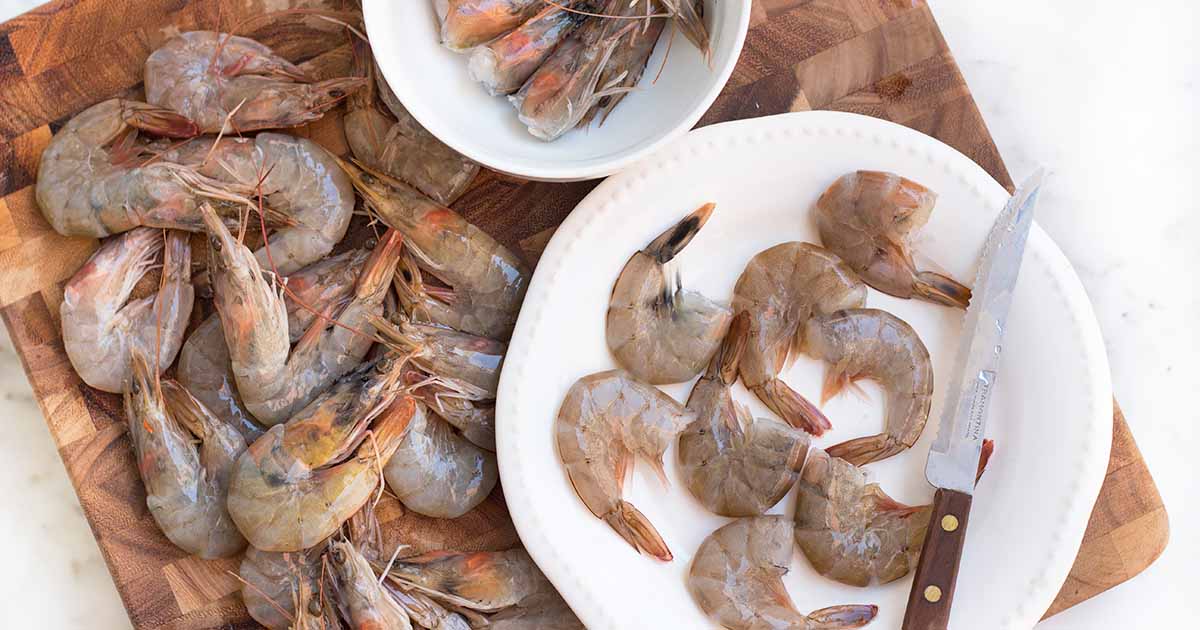
From a food safety perspective, eating shrimp with the digestive tract still in place is generally safe — as long as the shrimp was fresh and properly cooked. High cooking temperatures destroy harmful bacteria that could be present, and in many commercial preparations the shrimp are already frozen and cleaned before sale. That said, safety isn’t the only consideration for many cooks. Some people prefer to remove the line for reasons related to texture, presentation, and perceived quality. Whether or not to remove it often comes down to personal preference and how the shrimp will be used in a dish.
How the Vein Affects Taste and Texture
While eating the digestive tract won’t make you sick in most cases, it can affect the eating experience for some people. Chefs and experienced home cooks often note that leaving the vein in place can result in a slightly bitter taste or a gritty texture, especially when the shrimp are grilled, sautéed, or fried. These subtle flavour and texture changes can stand out more in delicate dishes where the shrimp is meant to shine. In more robust preparations, such as stews, curries, or heavily seasoned dishes, the presence of the digestive tract may be less noticeable and thus less of a concern. Still, many recipes recommend deveining purely for aesthetic reasons — a clean, uniform look on the plate can elevate a dish’s visual appeal.
How to Devein Shrimp Easily
Deveining shrimp is neither difficult nor time‑consuming, and it doesn’t require specialised tools. Here’s a simple step‑by‑step method:
- Make a shallow cut: Using a sharp knife, make a gentle incision along the back of the shrimp from head to tail.
- Lift out the vein: Use the tip of the knife or a toothpick to lift the dark line out of the shrimp.
- Rinse if needed: If any residual material remains, a quick rinse under cold water can help clean it away.
You can devein shrimp either before or after cooking, but it’s usually easier when the shrimp are raw and more pliable. If the shrimp are already cooked and peeled, the process still works but might require a bit more patience because the flesh is firmer.
Do All Shrimp Need to Be Deveined?
Not necessarily. Whether you choose to remove the digestive tract depends on your taste preferences and the context of the dish. In quick, casual recipes you may not notice it at all, while in refined or visually pristine dishes, many cooks prefer to remove it for a cleaner presentation and smoother bite.
Final Takeaways
Knowing what the shrimp’s “vein” actually is — and understanding how it affects flavour and texture — can help you make informed decisions in your kitchen. Whether you decide to remove it or leave it in place, the most important factors are the freshness of the seafood and proper cooking technique. With the right approach, shrimp can be a delicious and versatile addition to countless meals.