Cartilage is a unique form of connective tissue that acts as a cushion and shock absorber for our bones and joints. Unlike bone, which is rigid and inflexible, cartilage is both strong and flexible, enabling smooth movement and reducing wear and tear on joints. It is found throughout the body, but it plays a particularly important role in large, weight-bearing joints like the knees. When cartilage is healthy, bones glide against each other with minimal friction. However, if cartilage becomes damaged, worn, or inflamed, everyday movements can become painful and restricted.
As people age, the cartilage in their joints naturally degrades. This wear can result from years of repetitive use, injury, or chronic conditions such as osteoarthritis. Damage to the cartilage in the knees, especially in the meniscus — the crescent-shaped pad between the thigh bone and shin — is especially common. Knee pain and reduced mobility are among the most frequent complaints for adults over 50, and they can have a significant impact on quality of life. Understanding how to protect and support cartilage health is therefore essential, particularly for active seniors who want to maintain mobility and independence.
How Knee Pain Affects Daily Life
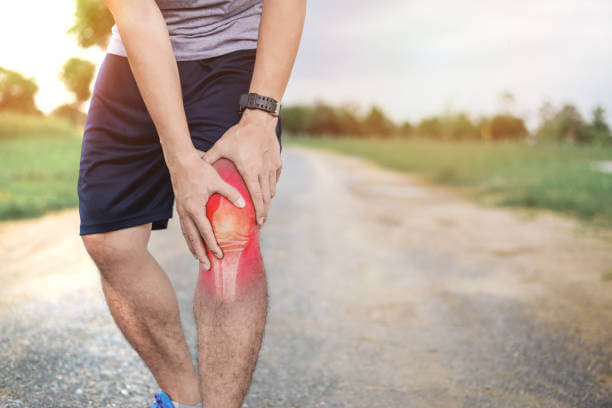
Knee discomfort isn’t just a minor inconvenience. Pain and stiffness in the joint can interfere with basic tasks like climbing stairs, getting out of a chair, or going for a walk. For many older adults, this leads to reduced activity levels, which in turn can weaken muscles and reduce joint stability, creating a painful cycle of inactivity and worsening pain. The risk of knee issues increases with age and can also be influenced by factors such as excess body weight, lack of physical activity, or poor nutrition. Cartilage does not have its own blood supply, making repair slow and sometimes incomplete after injury or chronic strain. Keeping knee joints healthy often requires a combination of approaches: proper nutrition, regular low-impact movement, weight management, hydration, and sometimes targeted supplements. One simple strategy that has gained attention in recent years is the use of specific natural drinks believed to help soothe pain and support cartilage health.
A Natural Drink for Joint Support
A simple tea made from turmeric and ginger has become popular among people seeking natural joint support. These ingredients are known for their anti-inflammatory properties and have been used for centuries in traditional medicine systems. Curcumin, the active compound in turmeric, has been studied for its ability to calm inflammation in joint tissues. Similarly, compounds found in ginger can help reduce swelling and improve circulation around the joints.
Ingredients Needed
To make this joint-support drink, you will need:
- 1 cup of water
- ½ teaspoon of ground turmeric (or a small slice of fresh root)
- ½ teaspoon of grated ginger (or ground ginger)
- Optional: a squeeze of lemon or a teaspoon of honey for flavor
These ingredients are easy to find and inexpensive, making this drink a simple addition to your daily routine.
How to Prepare the Drink
- Bring one cup of water to a boil.
- Add the turmeric and ginger to the boiling water.
- Reduce heat and let the mixture simmer for about ten minutes.
- If you used fresh roots, strain the liquid to remove solid pieces.
- Add lemon or honey if you want a more pleasant taste.
Drink one cup daily, either in the morning or evening.
Regular consumption of this tea, combined with a healthy lifestyle, may help support joint comfort and mobility. However, it’s important to remember that individual results can vary, and natural remedies work best as part of a holistic approach to joint health.
Lifestyle Habits to Support Joint Health
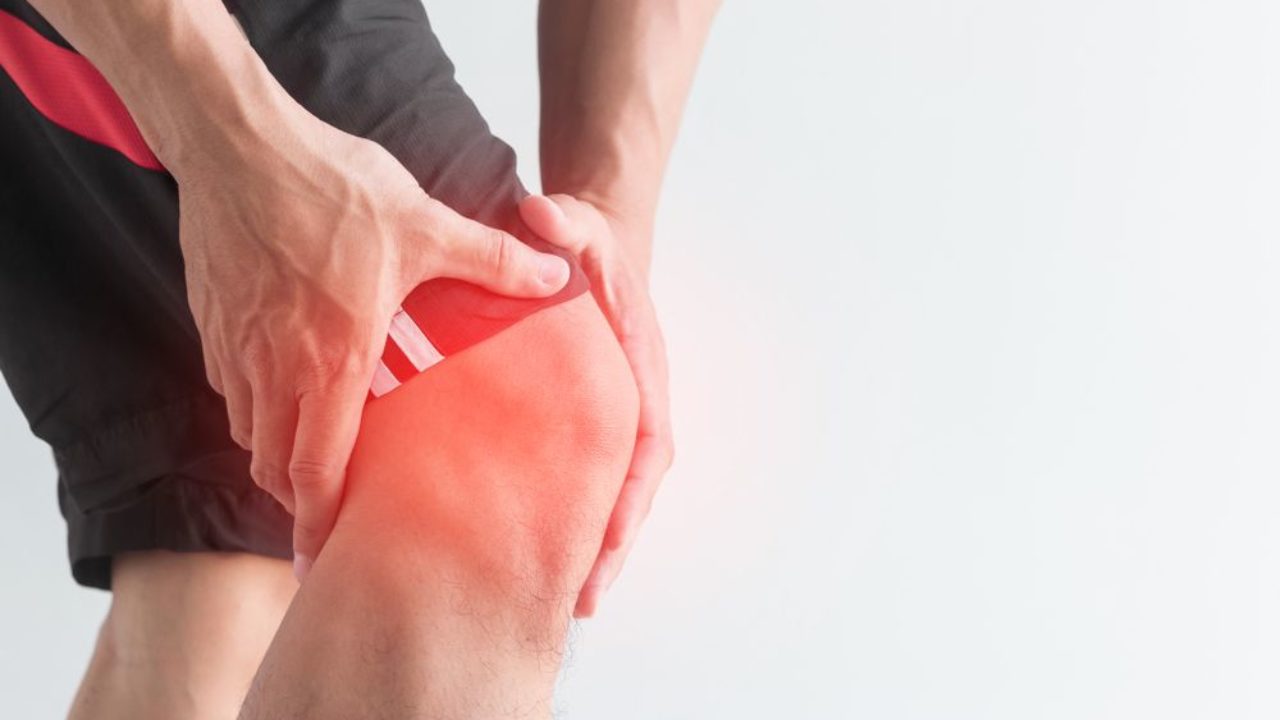
While dietary changes can be beneficial, optimal joint health also depends on overall lifestyle choices. Staying active with low-impact activities like walking, swimming, or stretching can strengthen muscles around the knees and improve joint stability. Choosing foods high in omega-3 fatty acids, leafy greens, lean protein, and hydration supports overall tissue health. Maintaining a healthy weight helps reduce unnecessary stress on cartilage and joints. Ultimately, preventing cartilage wear and promoting joint health is about consistent, balanced care — including movement, nutrition, and informed lifestyle choices.