
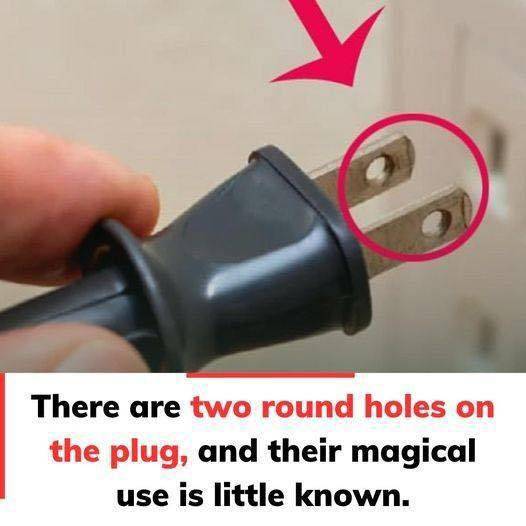
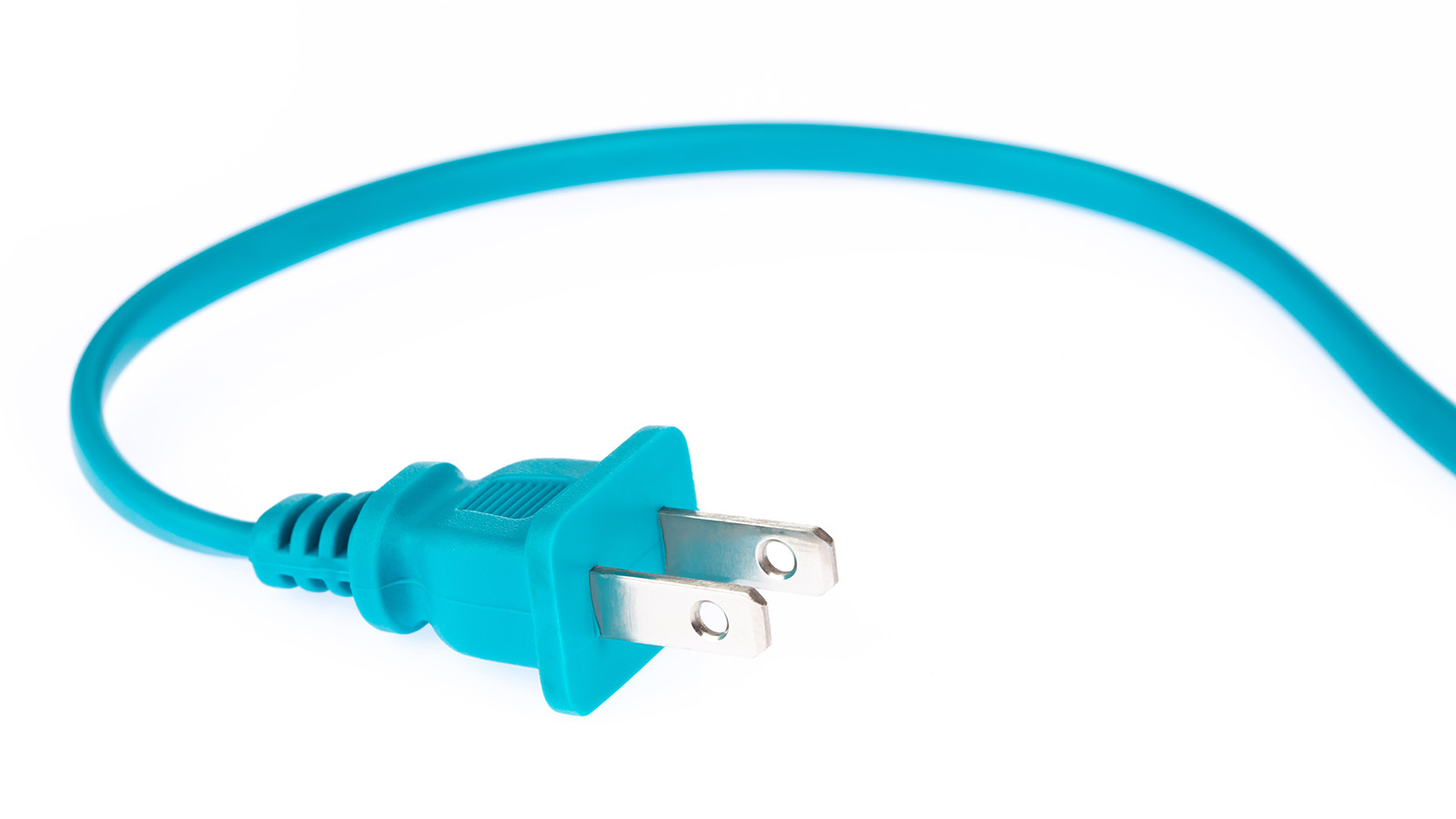
If you’ve ever looked closely at a standard electrical plug, you might have noticed two small holes near the tips of the prongs. They seem too tiny to matter but in fact, they are part of a clever design that improves safety and convenience. What might look like a trivial detail was built with multiple practical purposes.
A Better Grip and Safer Connection
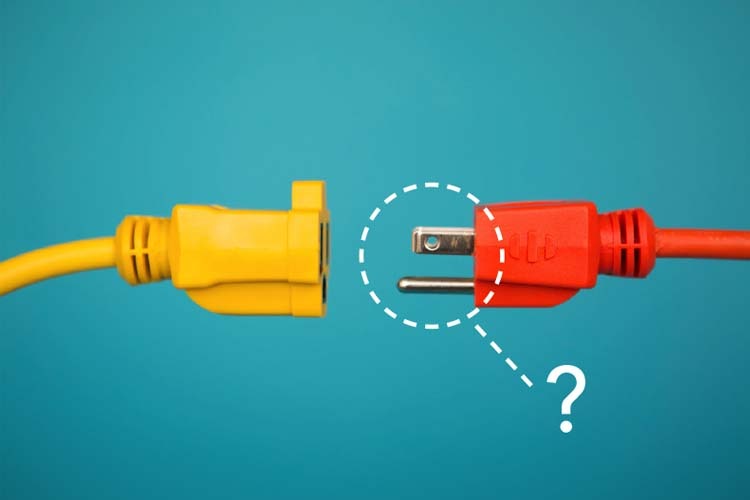
One key reason for those small holes is to help the plug secure more firmly inside an outlet. Inside many sockets, there are little raised bumps or spring-loaded clips. When you insert a plug whose prongs have holes, these clips can latch onto the holes — creating a tighter grip. That extra hold does two things: it prevents the plug from wobbling or falling out, and it ensures a stable electrical connection. A loose plug can cause sparking, poor contact, or even overheating. With a snug fit — thanks to those holes — the risk of accidental arcing or intermittent power is lowered.
Avoiding Accidental Pull-Outs
Another practical benefit: those holes make it harder for the plug to accidentally slip out when the cord is tugged. If the power cord gets snagged — by a vacuum, foot, or bag — the clipped-in plug is less likely to loosen. That reduces the chance of sudden disconnection or partial exposure of live prongs. This design thus improves safety in everyday use: it reduces the chance of sparks, electric arcs, or shock from exposed prongs.
Better Manufacturing and Cost Efficiency
From a production standpoint, adding small holes to prongs is relatively inexpensive — yet it enhances usability significantly. The holes don’t interfere with function; instead, they allow manufacturers to build plugs that reliably stay in outlets without extra weight or complexity. For users, it means plugs remain simple and lightweight, but more secure. The small holes make a big difference: a cheap, subtle addition that improves safety and durability while keeping manufacturing costs low.
A Feature That’s Easy to Overlook
Because those holes are tiny and rarely draw attention, many people plug in cords for years without noticing them. Yet, the small detail quietly works to keep electrical connections stable and devices powered safely. Once you’re aware of their purpose, plugging in a cord may feel a bit more intentional. It’s a subtle reminder that everyday objects often carry small design decisions shaped by safety, practicality, and efficiency.
What It Means for You
When next you plug in a charger, lamp, or appliance, take a quick look at the prongs. Those tiny holes embedded near the tips are not defects — they’re a safety feature. They help ensure the plug stays firmly seated in the outlet and reduces risk from loose connections or accidental pull-outs. Especially in high-traffic homes, offices, or homes with children or pets, using plugs with secure fittings can contribute to overall safety. It’s a small detail with real benefits.
Small Details, Big Impact
Ultimately, those two tiny holes on a plug prong remind us how even minimal design choices can influence everyday safety and comfort. Something so small could easily go unnoticed — but its impact is meaningful. The next time you unplug a device, you might appreciate that the small holes helped keep that outlet secure, stable, and safe.