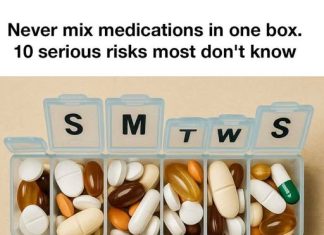

Social media is full of dramatic health promises, and one of the latest trends is the claim that a few “miracle vitamins” can somehow cure or reverse diabetes. These posts often show smiling people saying they quit medication, lowered their blood sugar overnight, or found a natural shortcut doctors supposedly never mention. For people living with type 2 diabetes, that kind of message can feel incredibly hopeful. But in most cases, these viral claims are misleading, exaggerated, or designed to sell supplements rather than offer real medical help. The page you shared uses exactly that kind of emotional setup, warning readers about “natural capsules” and promising to reveal what really works.
Why These “Miracle” Claims Spread So Fast
The reason these stories go viral is simple: they offer an easy answer to a difficult condition. Managing diabetes takes consistency, monitoring, food choices, activity, medication for many people, and regular medical follow-up. A post that promises a quick solution in a bottle is naturally appealing. Scam investigators have documented that many of these campaigns use the same pattern — emotional storytelling, fake urgency, long sales funnels, and promises that sound too good to be true. They often suggest that pharmaceutical companies or doctors are “hiding the cure,” which is a classic red flag in health-related misinformation.

Can Vitamins Help With Diabetes at All?
Here’s the honest answer: some vitamins or minerals may support overall health or help if a person has a deficiency, but they are not a cure for diabetes. For example, nutrients like vitamin D or magnesium are often discussed because low levels can sometimes be linked with poorer metabolic health. But that is very different from saying they can replace medication, insulin, or a doctor’s treatment plan. Even when a nutrient has potential benefits, it usually works as part of a broader strategy — not as a miracle fix. Online diabetes communities regularly point out the same thing: useful habits may help, but anything marketed as a single “hack” or cure should be treated with skepticism.
What Actually Helps — Safely and Realistically
The real path to better blood sugar control is rarely flashy. It usually includes a combination of balanced eating, physical activity, weight management when appropriate, sleep, stress reduction, and prescribed treatment when needed. Some people with type 2 diabetes can significantly improve their numbers, and in some cases even reach remission, but that typically happens through sustained lifestyle changes and medical supervision — not a mystery supplement. Even people discussing success stories online usually describe long-term diet and habit changes rather than magic pills.
The Biggest Red Flags to Watch For
If you see a diabetes post claiming “reverse it in days,” “throw away insulin,” or “one vitamin doctors hate,” slow down immediately. Be especially cautious if it uses fake celebrity endorsements, countdown timers, vague ingredient lists, or a dramatic video that delays the actual product reveal until the end. These are common tactics used in deceptive supplement marketing. Legitimate medical advice does not rely on panic, secrecy, or miracle language.

The Bottom Line
“Miracle vitamins” for diabetes make great headlines, but real diabetes care is built on evidence, not hype. Some supplements may have a role in specific cases, especially if a doctor confirms a deficiency, but no vitamin alone can safely replace proven treatment. The smartest move is simple: be cautious with viral claims, talk to your doctor before starting any supplement, and remember that lasting progress usually comes from steady habits — not shortcuts.