

Winter driving brings many unexpected challenges: frozen roads, slippery surfaces, frosted windows, and even the risk of getting stuck. What many drivers don’t realize is that something as simple as a jar of salt can become a surprisingly powerful ally in these conditions. The idea may sound old-fashioned, but according to experienced officers and everyday drivers alike, salt offers quick, inexpensive help when winter strikes — no special gear required.
What Salt Can Do for You
Improve Traction on Ice and Snow
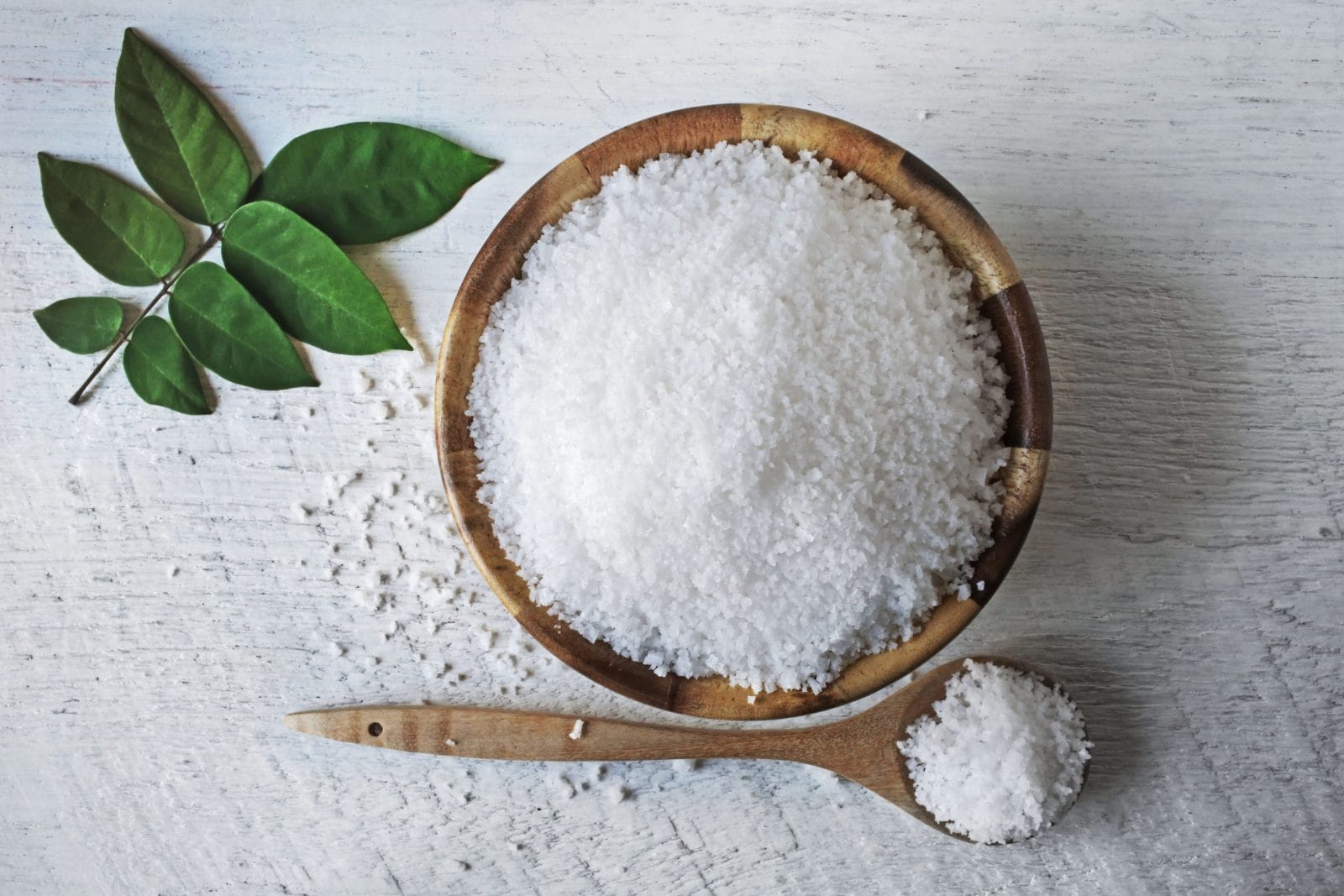
When wheels spin helplessly on ice or sleet, scattering a small amount of salt under the tires can melt the thin icy layer just enough to give them grip. In effect, you’re creating a mini version of the road crews’ ice-melt job — helping you get moving again without having to call for a tow or wait endlessly.
Make Vehicle Locks, Seals, and Windows Easier
Salt isn’t just useful under tires. Mixed with a bit of water, it can be lightly sprayed on windshields or windows the night before frost — preventing a stubborn icy sheet from forming, making morning defrosting much quicker and easier. Inside the car, an open jar of salt can absorb moisture, helping to neutralize damp smells from wet mats or winter gear. Some drivers even report salt helping thaw frozen door locks or rubber seals faster than many store-bought de-icers.
What Salt Won’t Do — And Why It’s Not a Replacement
It’s important to remember: salt is not a substitute for essential winter car preparations. It won’t replace proper winter tires, good brakes, or safe driving practices. On heavily iced roads or deep snow, salt under tires might not be enough — you still need suitable tires, maybe even chains, and cautious driving. In severe weather, salt is at best a helpful supplement — not a guarantee of safety.
Why This Simple Hack Appeals to Many Drivers
Affordable & easy to get — Salt is cheap, widely available, easy to store, and doesn’t take up much space in the car.
- Multi-purpose — From slipping wheels, frosted windows, damp interiors to frozen locks — one small jar addresses many winter annoyances.
- No special skills needed — Unlike chains, snow-tires, or complex kits, using salt is straightforward even for a beginner driver.
- Because of these advantages, many drivers treat salt as their “last-minute savior” on unpredictable winter mornings — and some say it’s helped them avoid being stranded far from help.
How to Use Salt Safely and Smartly
Keep a sealed jar (or container) of regular table salt or rock salt somewhere in the car (e.g. trunk or under seat).
- If you get stuck on ice, carefully sprinkle a handful just in front of the drive wheels — then gently accelerate.
- Before freezing nights, mix a salt-and-water spray to lightly mist windows/ windshields to reduce frost buildup.
- Use salt sparingly — too much may stick to rubber or metal parts (wheels, door seals), so after using, sweep or wash salt residue once you’re on safe ground.
Always combine this hack with essential winter safety measures: good tires, checking brakes/fluids/lights, and cautious winter driving habits.
Final Thoughts: A Simple Hack — But No Magic Wand
Winter driving can be unpredictable. Weather changes fast, roads can freeze without warning, and even experienced drivers can end up stuck. In those moments, a jar of salt can feel like a small but powerful tool — enough to turn a icy nightmare into a manageable inconvenience. Still, salt is not a cure-all. It works best when paired with careful planning, proper winter equipment, and common-sense driving. If you keep your car prepared — winter tires, safe driving habits, and a touch of salt — you give yourself a much better shot at arriving safely, no matter the weather.