Precordial Catch Syndrome (PCS) is a benign condition characterized by sudden, sharp chest pain located over the front of the chest typically on the left side, just below the nipple. This pain appears without warning and lasts only a short time, often from a few seconds up to a few minutes. Although the sensation can be intense sometimes described as stabbing or knife-like PCS is not related to the heart, lungs, or other serious internal organs. It’s considered harmless and does not signal a serious medical condition.
PCS tends to affect children, adolescents, and young adults more often, though it can occur at any age.
Typical Symptoms
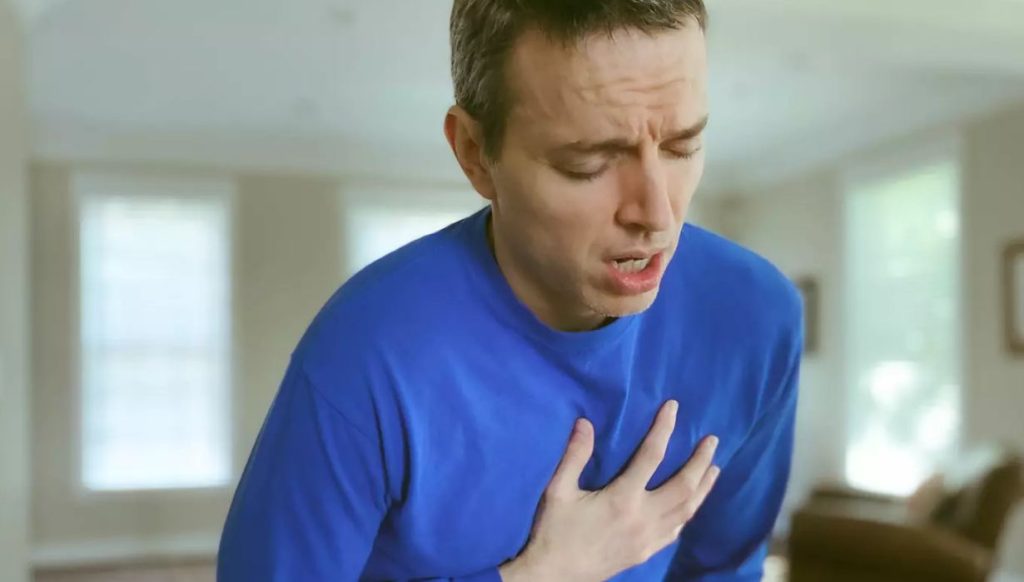
Sudden, sharp pain: The pain starts abruptly and can feel like a needle or knife-like stab. It is often localized to a very small area — no larger than one or two fingertips. Brief duration: Episodes last from a few seconds up to a few minutes, and then fade away just as suddenly as they appeared.
Triggered by breathing or posture: Pain often worsens with deep breaths or changes in posture — for example, when sitting or lying in a slouched position, or when inhaling deeply. Some cases begin at rest or during very mild activity. No additional symptoms: There is usually no accompanying shortness of breath, palpitations, dizziness, or other physical changes. The pain stays localized and does not radiate to other parts of the body. Because the pain is brief and isolated, it can be alarming — especially for first-time episodes — but it is not linked to heart disease or lung problems.
What Causes the Pain
The exact cause of Precordial Catch Syndrome remains unclear. However, medical experts believe the pain likely originates from irritation or pinching of nerves in the chest wall — perhaps in the thin lining around the lungs (the pleura), or near ribs or cartilage. Some cases may be triggered by poor posture, muscle tension, rapid growth during adolescence, or minor strains of the chest wall. Because PCS does not stem from any heart or lung pathology, it is fundamentally different from more serious causes of chest pain such as cardiac events or pulmonary disease.
Diagnosis and When to Seek Medical Advice
Diagnosis of PCS is typically clinical — based on a person’s description of the pain (its nature, location, triggers, and duration) and a physical exam. Because there are no definitive lab tests or imaging required in straightforward cases, doctors often rely on the characteristic pattern of the pain to distinguish PCS from other causes.
However, if chest pain is accompanied by other symptoms — such as prolonged duration, spread of pain to other regions, breathing difficulty, palpitations, dizziness, or any sudden worsening — medical evaluation is crucial to rule out serious conditions.
Managing Episodes and Outlook
Because PCS is harmless and self-limiting, no specific medical treatment is normally needed. Painful episodes can often be alleviated by gently changing posture — for example, sitting or standing up straight — and by taking slow, shallow breaths rather than deep, sharp inhales. Some people find that a deliberate deep breath helps “release” the pain, though this can be uncomfortable at first. Over time, many individuals grow out of PCS. The condition tends to become less frequent or disappear completely by the time a person reaches their late teens or early twenties. Maintaining good posture — avoiding prolonged slouching — may help reduce the frequency of episodes; gentle stretching and regular, relaxed breathing can also support chest-wall and muscular health.

Why Understanding PCS Matters
Precordial Catch Syndrome is often misunderstood or mistaken for more serious cardiac or respiratory conditions — leading to anxiety, emergency visits, and unnecessary medical tests. Recognizing the hallmark features of PCS can provide reassurance and help avoid stress, especially in children and adolescents where the syndrome is more common. Although sharp chest pain always deserves attention when it’s new or unexplained, identifying PCS can bring relief — knowing it is benign, short-lived, and generally harmless. Understanding the difference between PCS and serious chest conditions may prevent excessive worry and promote calm, informed responses if symptoms recur.