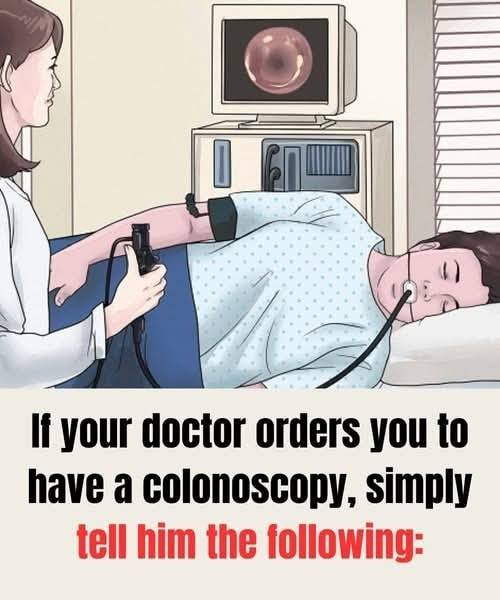
A colonoscopy is one of the most effective medical procedures for detecting serious digestive issues, including colorectal cancer. Despite its importance, many people approach it with anxiety, confusion, or hesitation. Health professionals agree that before undergoing this test, there is one critical discussion that can make a life-saving difference.
Why Colonoscopies Matter So Much
Colorectal cancer often develops slowly and may not cause noticeable symptoms in its early stages. A colonoscopy allows doctors to examine the colon and rectum closely, identifying polyps or abnormal growths before they turn into cancer. Early detection significantly increases survival rates and often allows for simpler, less invasive treatment.

The One Question You Should Always Ask
Before scheduling a colonoscopy, experts recommend asking your doctor a direct and essential question: “What exactly are you looking for, and how will the results affect my care?”
This question helps you understand the purpose of the procedure, whether it is routine screening, follow-up testing, or investigation of specific symptoms. Knowing the reason behind the test can reduce fear and empower you to take an active role in your health decisions.
Understanding Your Personal Risk
Not everyone has the same risk factors for colorectal issues. Family history, age, lifestyle, and existing medical conditions all play a role. Discussing your individual risk with your doctor ensures that the timing and frequency of colonoscopies are appropriate for you. For some people, earlier or more frequent screenings may be necessary.
What the Results Can Reveal
A colonoscopy can provide valuable information beyond cancer detection. It can uncover inflammation, ulcers, diverticulosis, or other digestive problems. Understanding what different outcomes might mean allows you to prepare mentally and emotionally for next steps, whether that involves monitoring, lifestyle changes, or treatment.
Preparation Is More Important Than You Think
Proper preparation is essential for accurate results. An incomplete or poorly prepared colon can hide abnormalities, making the test less effective. Asking questions about preparation instructions, diet restrictions, and medication adjustments can help ensure the procedure is successful the first time.
Addressing Fear and Misconceptions
Many people delay colonoscopies due to fear of discomfort or embarrassment. In reality, the procedure is typically painless thanks to sedation, and it is performed routinely by trained professionals. Open communication with your healthcare provider can ease anxiety and clear up common misconceptions.
Taking Control of Your Health
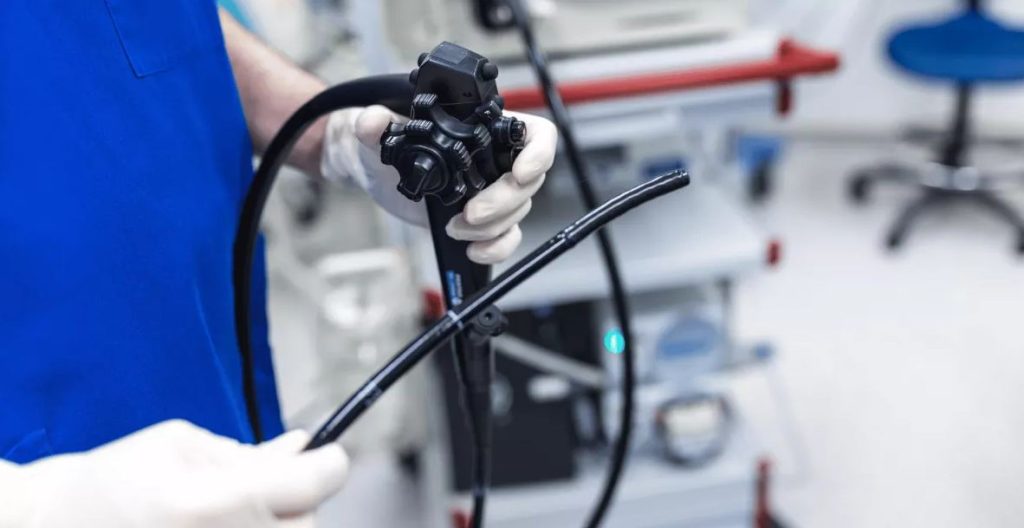
A colonoscopy is not just a medical appointment—it is an opportunity to take control of your long-term health. Asking the right questions helps you understand why the test matters and how it fits into your overall care plan. Being informed leads to better decisions and greater peace of mind.
A Simple Question That Can Save a Life
While the procedure itself is important, the conversation before it can also be just as critical. By asking your doctor the right questions, understanding your risks, and preparing properly, you turn a routine screening into a powerful tool for further prevention. That single conversation could be the step that protects your health and potentially saves your life.