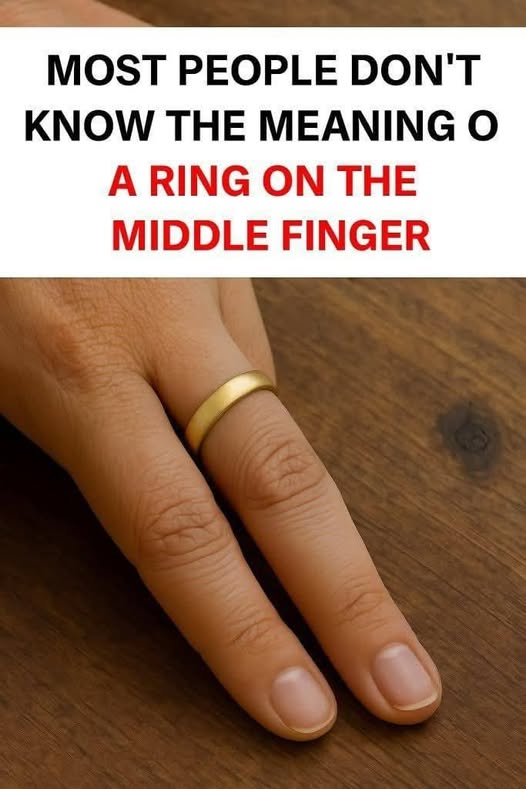
Jewelry isn’t just decoration it often communicates identity, personality, or intent. Among all the fingers, the middle finger has no single universal meaning tied to tradition like the ring finger does, but it does carry a range of symbolic interpretations depending on culture, style, and personal choice.
Because the middle finger sits at the center of the hand and is the tallest, a ring there naturally draws attention. That central placement gives it a sense of balance, confidence, and individuality that differs from many other finger-ring meanings.
Symbolism: Balance, Responsibility, and Self-Identity
One of the most commonly cited interpretations is that a middle-finger ring reflects equilibrium and personal authority. Its location between the index finger (often linked to leadership) and the ring finger (associated with romantic commitment) puts it in a symbolic position of balance and self-direction.

In many modern readings:
- Balance and stability are tied to its central position.
- Responsibility and accountability reflect maturity and self-control.
- Individual identity highlights self-confidence rather than tradition.
- Because this finger isn’t tied to marriage traditions, rings worn here often express something about who the person is rather than what their relationship status might be.
Fashion and Personal Expression
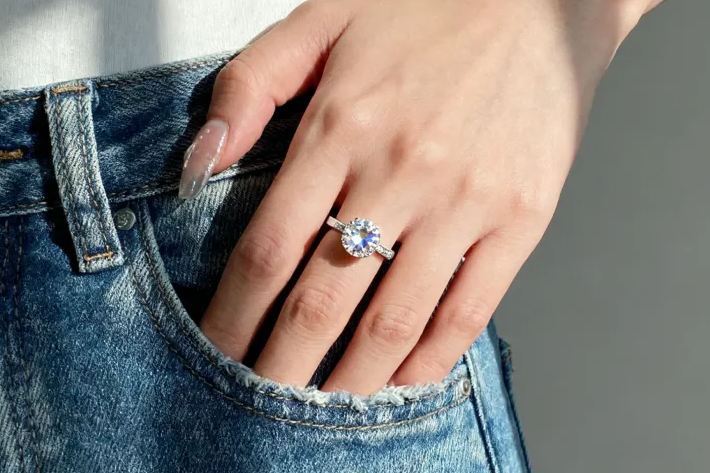
In contemporary jewelry culture, a middle-finger ring is frequently a style choice first and foremost. It’s a popular spot for statement pieces, bold bands, and fashion rings because its length and prominence make designs stand out visually.
Many people choose this placement simply because it:
- Enhances their overall outfit
- Shows off a large or decorative piece
- Draws attention to a stylish hand display
- Complements nail art or stacked ring designs
- This practical aspect has helped rehabilitate the middle finger from being just “neutral” to being a deliberate choice for personal style.
Cultural Variations in Meaning
Meanings can shift greatly across cultures:
- In Western societies, a ring on the middle finger often suggests confidence, independence, and individuality rather than any particular romantic or marital implication.
- In some Eastern traditions, fingers are associated with energy systems or astrological elements; the middle finger might reflect discipline or inner harmony.
- In others, traditional beliefs sometimes attach spiritual or protective qualities to rings worn here, though these interpretations vary widely by region and are not universally agreed.
- Because of these differences, assuming one fixed meaning globally can lead to misunderstandings.
Rings and Symbolic Identity
In some communities, a ring specifically worn on the middle finger with a certain style or color can have more precise meanings. For example:
- A black ring on the right middle finger is known within LGBTQ+ culture — especially among asexual individuals — as a subtle symbol of identity and pride.
- This kind of coded symbolism shows how jewelry can be both personal and cultural, used for expression and community connection rather than just aesthetics.
Misconceptions and Myths
It’s important to clarify that:
- A ring on the middle finger does not universally represent anger or insult — that idea usually comes from the gesture of raising the finger, not from wearing a ring on it.
- There’s no single “right” meaning; personal intention often matters more than tradition in modern contexts.
- In other words, this is one case where style and meaning blend, and the wearer’s intention often shapes interpretation as much as cultural tradition does.
Final Takeaway: Personal Style Meets Symbolism
Wearing a ring on the middle finger today offers a rich mix of meanings, from balance and self-identity to bold fashion and personal freedom. It can represent confidence and independence, serve as a visible fashion choice, or even reflect deeper personal or community identity. Because of its neutral traditional status, this finger gives wearers freedom to define the meaning that fits them best.