
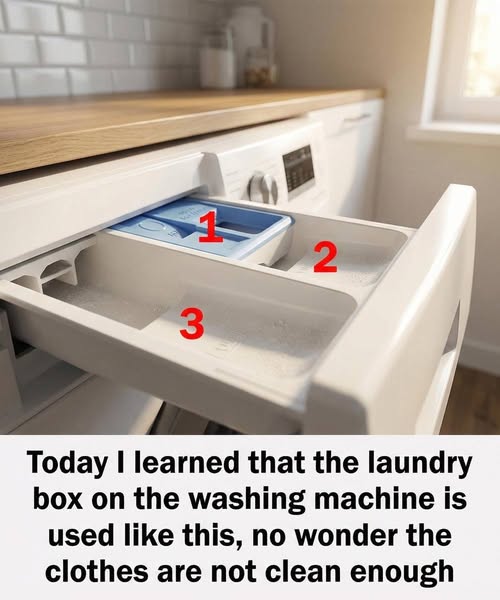
Many people use their washing machines every week without giving much thought to the detergent drawer. However, this small compartment plays a crucial role in how effectively your laundry is cleaned. Each section of the drawer is designed for a specific purpose, and using them correctly can improve washing performance while protecting your machine.
Understanding how the detergent drawer works can help you achieve cleaner clothes, reduce residue buildup, and extend the life of your washer.
Breaking Down the Different Compartments
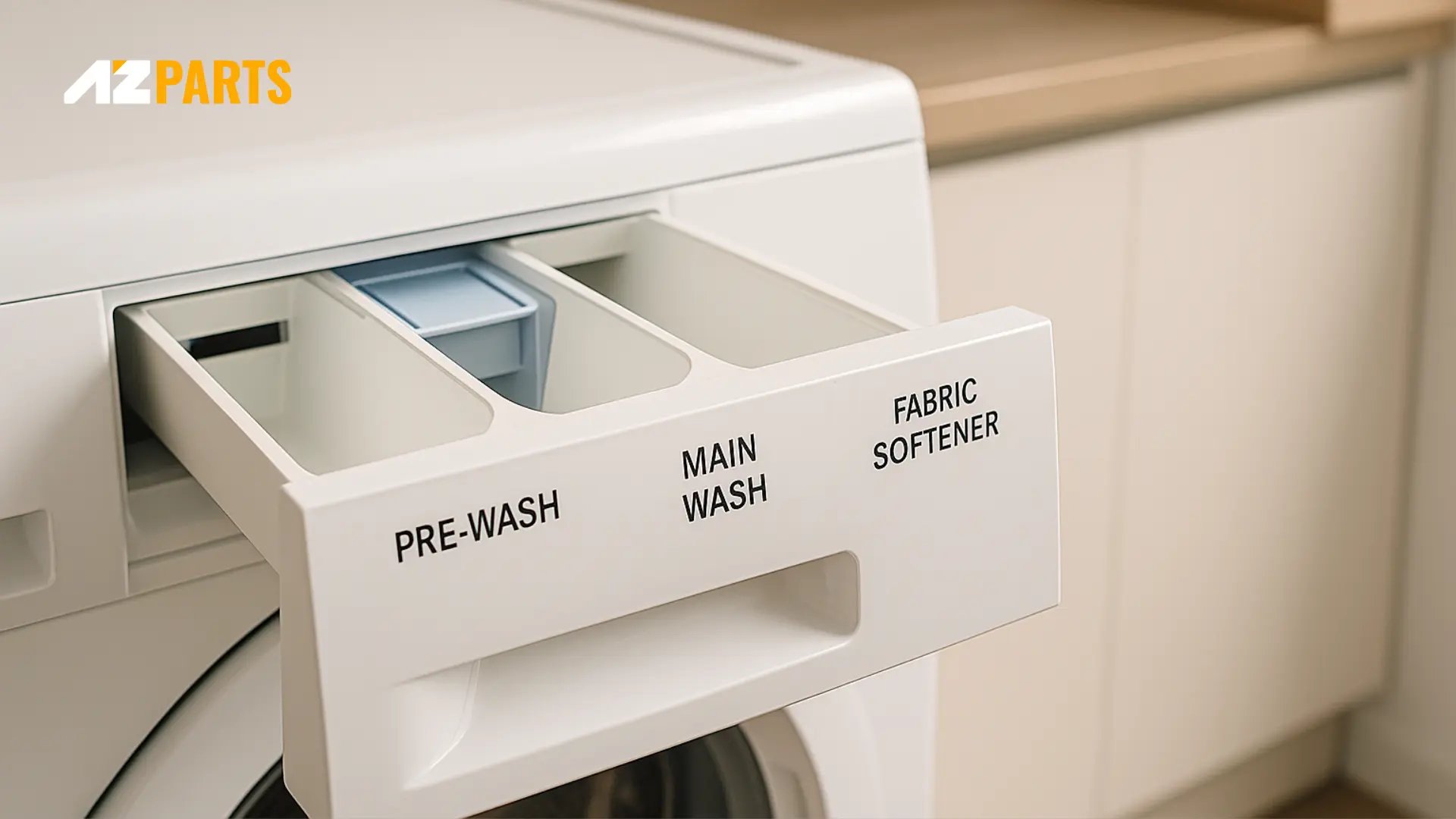
Most washing machine drawers are divided into three sections. One is for pre-wash detergent, one for the main wash, and one for fabric softener. These compartments are often marked with symbols rather than words, which can lead to confusion. The smallest compartment is usually reserved for fabric softener. It releases its contents during the final rinse cycle, ensuring clothes feel softer without interfering with detergent action.
The Pre-Wash Compartment Explained
The pre-wash compartment is designed for heavily soiled clothing. It allows detergent to be released early in the wash cycle to loosen dirt and stains before the main wash begins. This section is particularly useful for workwear, sports clothes, or garments exposed to mud and grease. Using pre-wash detergent when needed can significantly improve stain removal.
The Main Wash Compartment
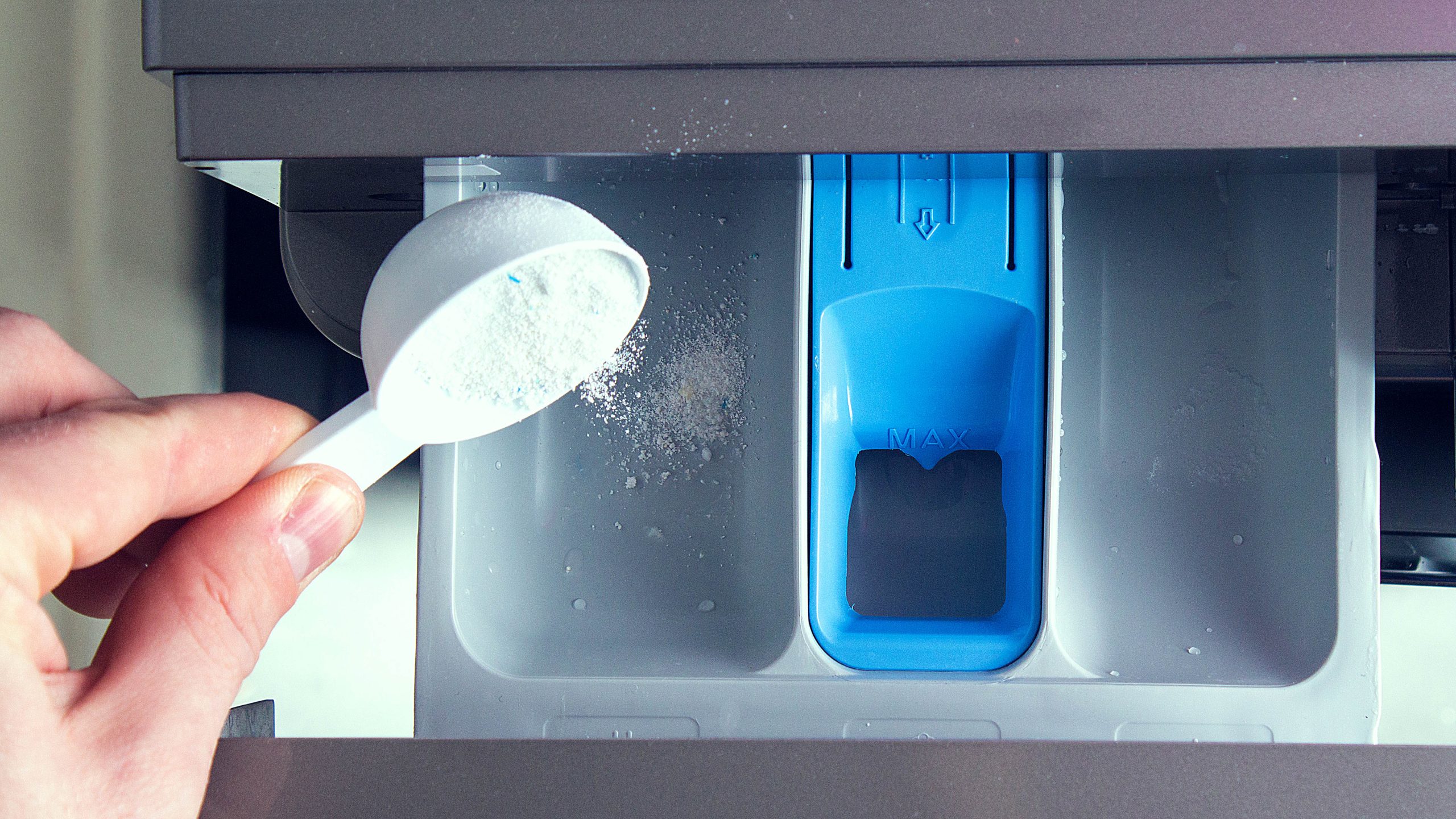
The largest compartment is for the main wash detergent. This is where most of the cleaning happens. The detergent placed here is released at the optimal time during the cycle to break down dirt, oils, and odors. Using the correct amount of detergent is important. Overfilling this compartment can leave residue on clothes and inside the machine, while too little detergent may result in ineffective cleaning.
The Role of the Fabric Softener Section
The fabric softener compartment works differently from the others. It is designed to dilute and release softener slowly during the final rinse. This prevents the softener from being washed away too early. Pouring fabric softener directly into the drum can reduce its effectiveness and cause uneven distribution. The drawer ensures an even and controlled release.
Hidden Maintenance Benefits
The detergent drawer also plays a role in maintaining your washing machine. When used correctly, it helps prevent soap buildup and clogged internal pipes. However, residue from detergent and softener can accumulate over time if the drawer is not cleaned regularly. Removing and rinsing the drawer every few weeks can prevent mold, unpleasant odors, and reduced water flow.
Common Mistakes to Avoid
One common mistake is using the wrong compartment for detergent or softener. This can lead to poor cleaning results or wasted products. Another issue is using too much detergent, which can cause excessive suds and strain the machine. Mixing incompatible products or ignoring manufacturer guidelines may also reduce efficiency and damage internal components.
Tips for Better Laundry Results
Always check garment labels and choose the appropriate wash cycle. Use pre-wash detergent only when necessary and measure detergent carefully. If you notice residue on clothes, consider reducing detergent quantity or switching to a different formula. Keeping the detergent drawer clean and dry between uses will also improve hygiene and machine performance.
Conclusion
The detergent drawer may seem like a small detail, but it plays a major role in how well your washing machine performs. By understanding the purpose of each compartment and using them correctly, you can achieve cleaner clothes, reduce waste, and extend the lifespan of your appliance. Small changes in how you use your washer can lead to noticeable improvements in everyday laundry care.