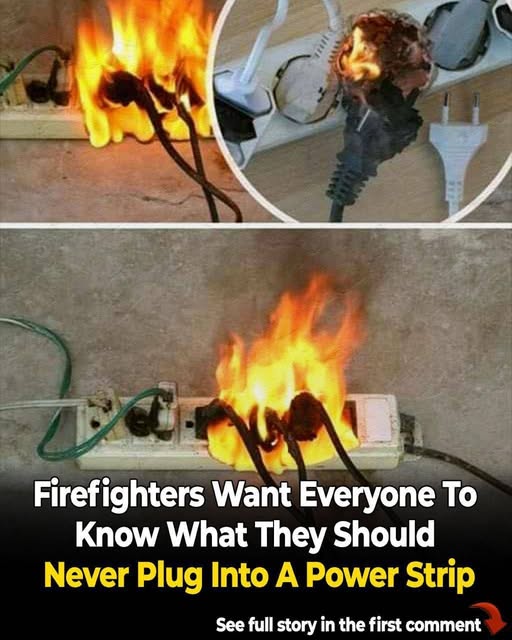
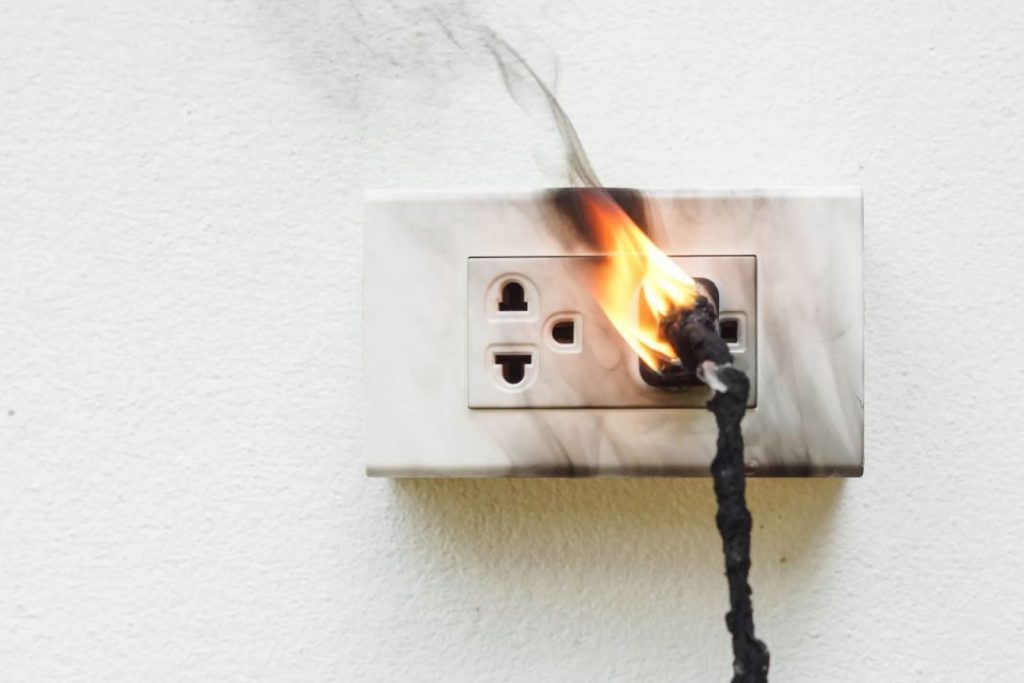
One of the most common and dangerous household mistakes involves misusing power strips and extension cords. What may seem like a convenient way to power many devices at once can actually create a serious fire hazard if done improperly.
Danger: Overloading Power Strips
Power strips are designed to handle a limited amount of electrical load. When too many devices — especially high-power appliances like heaters, kitchen appliances, or large electronics — are plugged into a single strip, it can overheat, melt, or even ignite.
Firefighters and electricians warn against this because:
- Too much load causes overheating and can start sparks.
- High-wattage devices (e.g., space heaters, kettles) draw more power than strips are rated for.
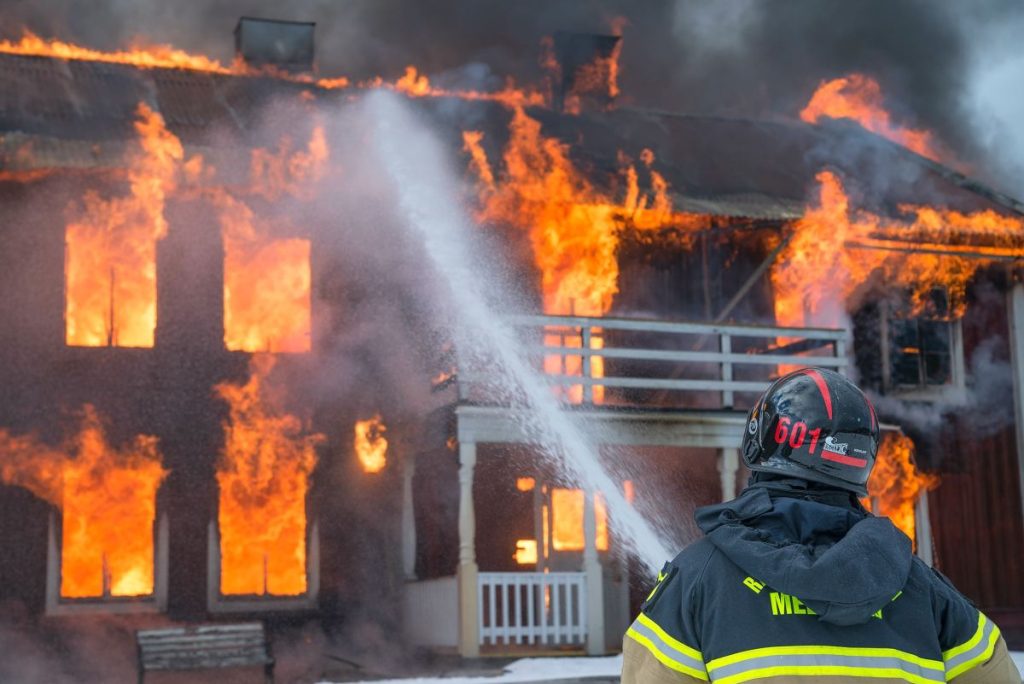
- Overheated strips may ignite nearby materials like curtains, paper, or furniture.
Avoid Daisy-Chaining
A particularly risky habit is daisy-chaining power strips — that means plugging one strip into another to create more outlets. This multiplies the electrical load in ways the wiring can’t safely handle and greatly increases the chance of overheating and fire.
Plug High-Power Appliances Directly Into Wall Outlets
Experts strongly advise never plugging heavy-duty appliances — such as heaters, microwaves, or large kettles — into a power strip. These should always be connected directly to a wall socket that can safely handle their power draw.
Tips to Reduce Risk
To minimize fire hazards related to power strips and extension cords:
- Check ratings: Only use strips rated for the total wattage of connected devices.
- Use quality strips: Choose products with built-in surge protection and safety certification.
- Unplug when not in use: This reduces heat buildup and energy waste.
- Inspect regularly: Replace any strip or cord that shows fraying, damage, or discoloration.
- Avoid hidden heat: Don’t run cords under rugs or behind heavy furniture — this traps heat and increases fire risk.
Simple Habit Changes Save Lives
The underlying message from safety authorities and firefighters is simple: power strips are useful, but not magic. Treat them with respect, understand their limits, and don’t overload them. A small adjustment — like plugging heavy appliances directly into wall outlets and avoiding multiple strips connected together — can significantly reduce the chance of a fire starting at home.
Conclusion
Power strips and extension cords are everyday household items, but using them incorrectly can create serious fire hazards. Overloading a power strip, plugging in high-wattage appliances, or connecting multiple strips together may seem harmless, yet these habits can cause overheating, sparks, and electrical fires. Firefighters repeatedly warn that most of these risks are completely preventable with simple awareness and safer choices. Using power strips only for low-energy devices, checking their load capacity, and plugging large appliances directly into wall outlets can significantly reduce danger. Regularly inspecting cords for damage and keeping them away from heat-trapping areas like carpets and furniture also helps protect your home. Small changes in how our electrical devices are used can make a real major difference. By respecting the limits of power strips and following basic safety guidelines, households can greatly lower the risk of fires and create a safer living environment for everyone.