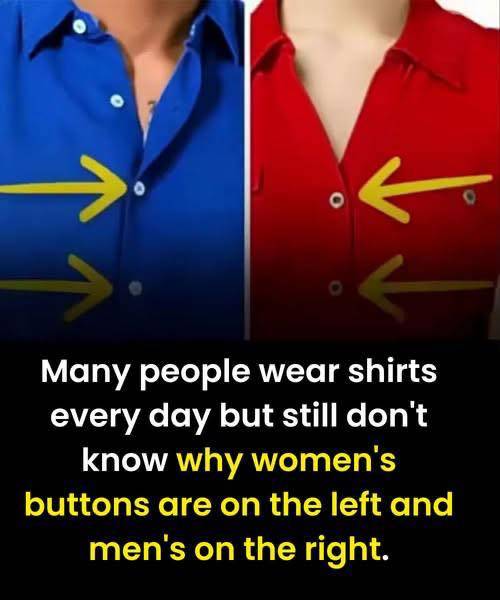
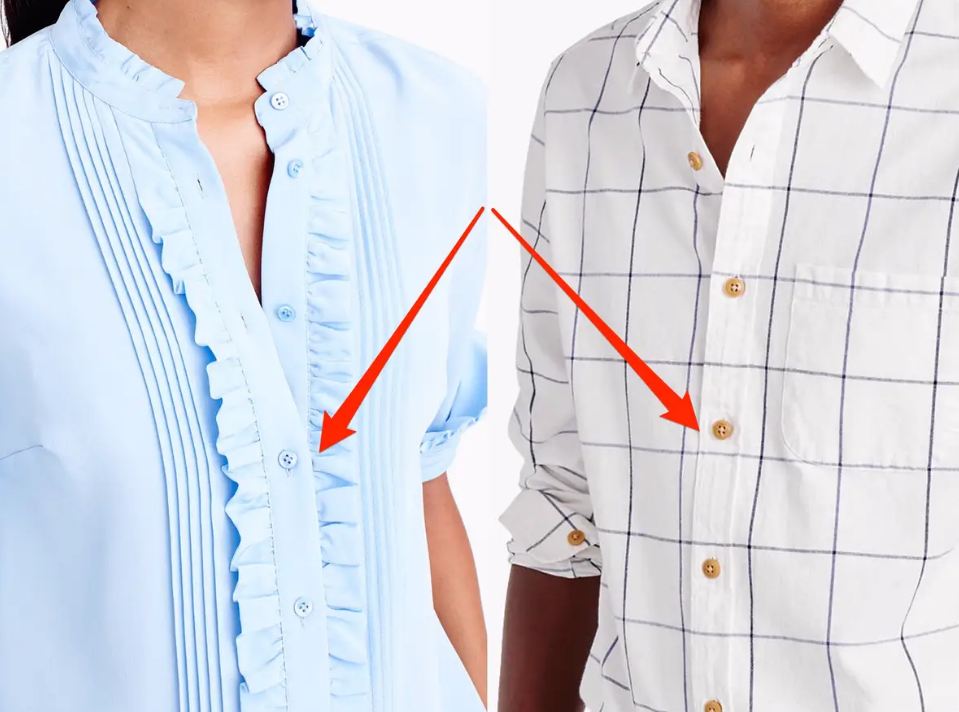
The distinctive detail that men’s shirts button on the right while women’s button on the left may seem insignificant, yet it reflects centuries-old traditions. This peculiar custom continues to appear in modern fashion but its origins lie in a mix of practical, cultural, and historical reasons.
Servants, Buttons and Class Distinction
One of the most common explanations dates back to a time when buttons were rare and expensive. In medieval and later periods, wealthy women often did not dress themselves; instead, they relied on servants or maids. Most of these attendants were right-handed, standing across from the wearer when helping with clothing. For that reason, having buttons on the left side of a garment (i.e. the wearer’s left, the dresser’s right) made fastening far easier. Over time this convention became associated with women’s clothing. For men, by contrast, garments were traditionally intended to be worn — and buttoned — by the men themselves, who were also mostly right-handed. That made a right-side (wearer’s right) button configuration intuitively more practical. When clothes production became more widespread and lower classes adopted clothing styles formerly reserved for the elite, the difference in button placement remained — thereby solidifying into a durable standard.
Weaponry, Warfare and Military Influence
Another well-known theory links men’s button placement to their historical role as warriors. In times when swords or other weapons were commonly carried, men often wore them on the left side so they could draw them with their right hand. If a jacket or shirt overlapped right over left, the weapon’s hilt might catch on the opening — a dangerous inconvenience in combat. To avoid that, garments for men were tailored left-over-right, resulting in buttons on the right. Over time, this practical military choice became generalized to civilian men’s clothing. This legacy from martial dress may help explain why the button tradition endured even long after weapons were no longer part of everyday wear.
Additional Proposed Reasons — From Breastfeeding to Riding
Some alternative explanations have been proposed over time, though none are universally accepted. One idea suggests that for women, buttoning on the left made it easier to breastfeed infants: a woman could hold her baby with her left arm and undo her blouse with her right hand. Another theory connects the convention to horse riding: when women rode sidesaddle, left-side buttons might have prevented air or breezes from entering the clothing, thus preserving modesty and comfort. A less serious — but historically cited — story mentions Napoleon Bonaparte. According to this anecdote, women once mocked his hand-in-waistcoat pose. Reportedly, Napoleon responded by mandating that women’s shirts be buttoned on the opposite side from men’s, to discourage imitation. While entertaining, this theory remains speculative with no firm evidence.
A Custom That Outlived Its Origins
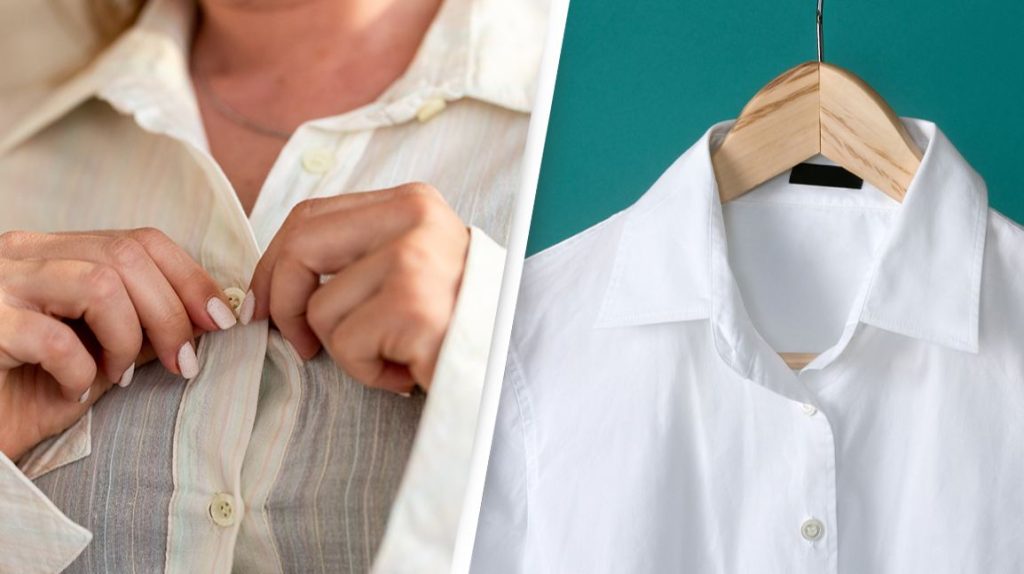
Today, none of the original reasons — servants, swords, breastfeeding, horse-riding — are widely relevant. Still, the tradition survives, ingrained in clothing manufacturing and design standards. Many women’s shirts, blouses, jackets and even dresses follow the left-button rule, while men’s remain on the right. Thus, what started as practical solutions — whether for convenience or combat — evolved into a subtle but enduring gendered marker of clothing. Even if people rarely think about it, that little detail still connects modern wardrobes to centuries-old customs.