
If you’ve ever sipped a cold Coca-Cola straight from a glass bottle and thought it tasted noticeably better than from a can or plastic bottle, you’re not alone and you’re not just imagining it. A number of physical and sensory factors come together to create this widely shared experience, and there’s some science behind why many people prefer the taste from glass.
Glass Is Chemically Inert — It Preserves the Original Flavor
One of the main reasons Coca-Cola in a glass bottle can taste “cleaner” is because of the material properties of glass itself. Glass is chemically inert and non-porous, which means it doesn’t react with the liquid inside or absorb flavour compounds.
By contrast:
- Aluminum cans have a polymer lining to prevent metal from contacting the soda. While this lining is safe and effective, it can subtly absorb flavour or alter taste perception for some people.
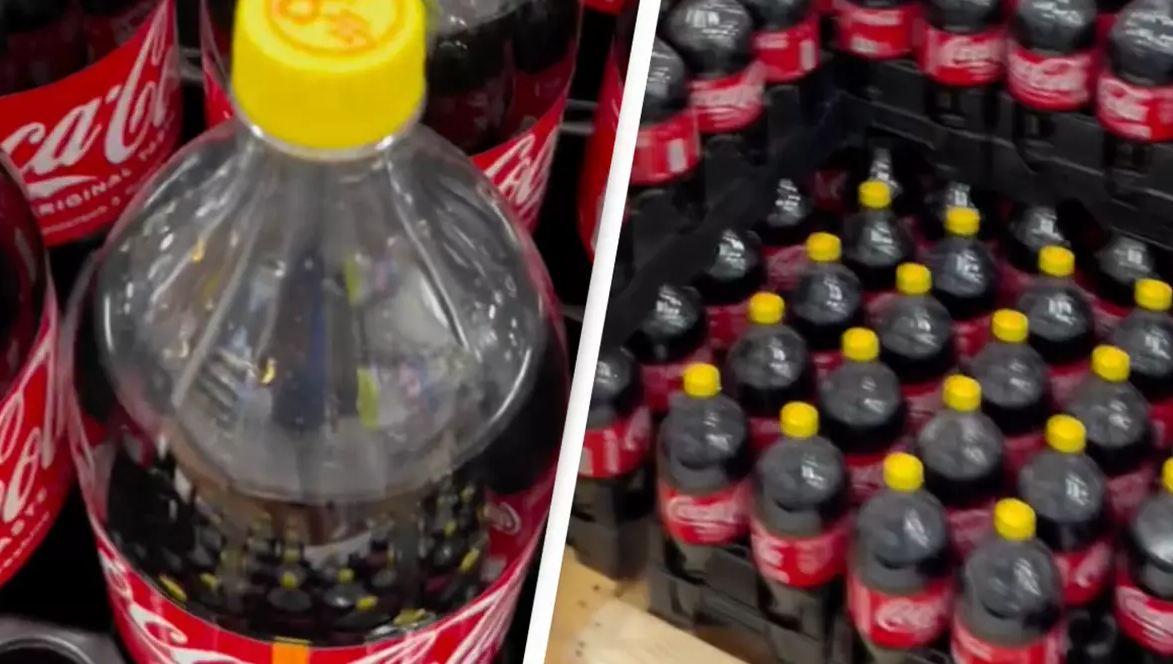
- Plastic bottles are made from polymers that are slightly permeable and may transfer trace amounts of chemicals — like acetaldehyde — into the soda over time, potentially giving a very faint “plastic” note to the flavour.
- Because glass doesn’t impart unwanted aromas or tastes, the Coke stays as close as possible to the original formula Coca-Cola intended.
Carbonation and Mouthfeel: Fizz Matters
- Another major factor is carbonation — the bubbles that give Coca-Cola its crisp “bite” and refreshing mouthfeel. Carbon dioxide (CO₂) creates that sensation, and how well a container retains it affects taste.
- Glass bottles are very effective at locking in carbonation because they are impermeable to gases. That means more fizz is preserved from bottling to the moment you open it.
- Plastic is more permeable, allowing CO₂ to escape slowly over time, which can make the soda feel less bubbly and slightly “flatter.”
- Aluminum cans perform better than plastic in CO₂ retention, but some drinkers still find the sensation different compared with glass.
- Since carbonation enhances perceived freshness and taste intensity, preserving it better can make the flavor seem more vibrant and enjoyable in a glass bottle.
Temperature and Sensory Experience
The temperature of your drink also plays an important role in flavour perception, and glass has an edge here as well. Glass is thicker and a better thermal conductor than aluminum or plastic, so a Coke straight from the fridge in a glass bottle tends to stay cold more evenly and longer once removed. Because cooler drinks often taste more refreshing and crisp, this can enhance how the flavour is experienced. Additionally, the shape of a glass bottle — especially its narrow neck — can concentrate aroma and alter how the liquid reaches your palate. That subtle change in aroma and mouthfeel can also influence how you perceive the taste.
Perception, Nostalgia, and Ritual
Beyond chemistry, there’s a psychological component too. Glass bottles are iconic, often linked with nostalgia and tradition — the classic contour bottle that’s been part of Coca-Cola’s brand imagery for over a century. This sensory ritual — the feel of cold glass on your lips, the weight in your hand, even the sound of the cap popping — can heighten the enjoyment of the drink. These cues don’t change the formula, but they do enhance your perception of the experience, which many people interpret as “better taste.”
Conclusion: Science Meets Sensory Experience
Ultimately, the recipe for Coca-Cola stays the same whether it’s in glass, plastic, or a can, but the container matters. Glass’s chemical neutrality, superior carbonation retention, temperature stability and sensory cues combine to create a flavour experience many people prefer — especially when the drink is ice-cold. Whether it’s nostalgia, bottle shape, or just the fizz, glass bottles continue to be celebrated by Coke lovers for delivering a uniquely satisfying taste experience.