
Many people go to bed with their phone in hand to scroll social media, check messages, or catch up on videos. What seems harmless, however, can disrupt sleep in several important ways. First, the bright light coming from a phone screen interferes with the body’s production of melatonin the hormone that signals it’s time to sleep. This makes it harder to fall asleep and delays the onset of restful sleep.
Beyond light, the content itself keeps our minds alert. Browsing, reading, or chatting stimulates the brain when it should be winding down. That mental activity increases stress or arousal levels, preventing the calm state needed for sleep. Studies suggest that regular use of phones or other screens right before bed is linked to reduced sleep quality, difficulty falling asleep, and more frequent nighttime awakenings.
Phones and the Surprising Absence in Dreams
Despite how much time we spend with our phones awake, many people rarely — if ever — dream about them. Researchers and sleep-experts have explored this strange gap. One theory is that our dreams are shaped more by strong sensory and emotional experiences rather than routine, low-stimulation activities like scrolling or texting. In dreams, events tend to be vivid, dramatic, or emotionally charged — things that challenge us, surprise us, or trigger deep responses. Using a phone tends to be mundane and predictable; it doesn’t provide the kind of sensory or emotional “fuel” that our minds tend to replay during sleep. Some researchers argue that dreams focus on survival-relevant scenarios — threats, relationships, decision-making — rather than daily habits. In that sense, phones simply lack the visceral impact that makes for “memorable dream material.”

How Digital Habits Affect Sleep Patterns and Daily Well-being
Consistently using phones before bed not only affects one night’s rest — over time, it may disrupt your entire sleep rhythm. Delayed or restless sleep can lead to daytime fatigue, reduced concentration, impaired memory, irritability, or even mood disturbances. You may start staying up later, fall asleep later, or wake up more during the night. Even small changes — like getting 20–30 minutes less sleep or entering deep sleep later — can accumulate over the week, undermining cognitive performance, emotional regulation, and physical recovery.
Simple Adjustments That Can Improve Sleep
Changing nighttime habits doesn’t have to be drastic. Experts often recommend these steps:
- Turn off or put away phones at least 30–60 minutes before bedtime. This helps your brain begin to wind down and start producing melatonin naturally.
- Switch from screen-based activities to calming alternatives, like reading a book, journaling, or doing light stretching or relaxation exercises. These activities don’t overstimulate your brain, and they help transition you toward sleep.
- Avoid having the phone near your bed — even silence or vibration notifications can subconsciously keep you alert.
- Establish a consistent sleep schedule — going to bed and waking up at roughly the same time every day supports your body’s natural internal clock.
What This Means for Your Dreams — And Your Sleep Health
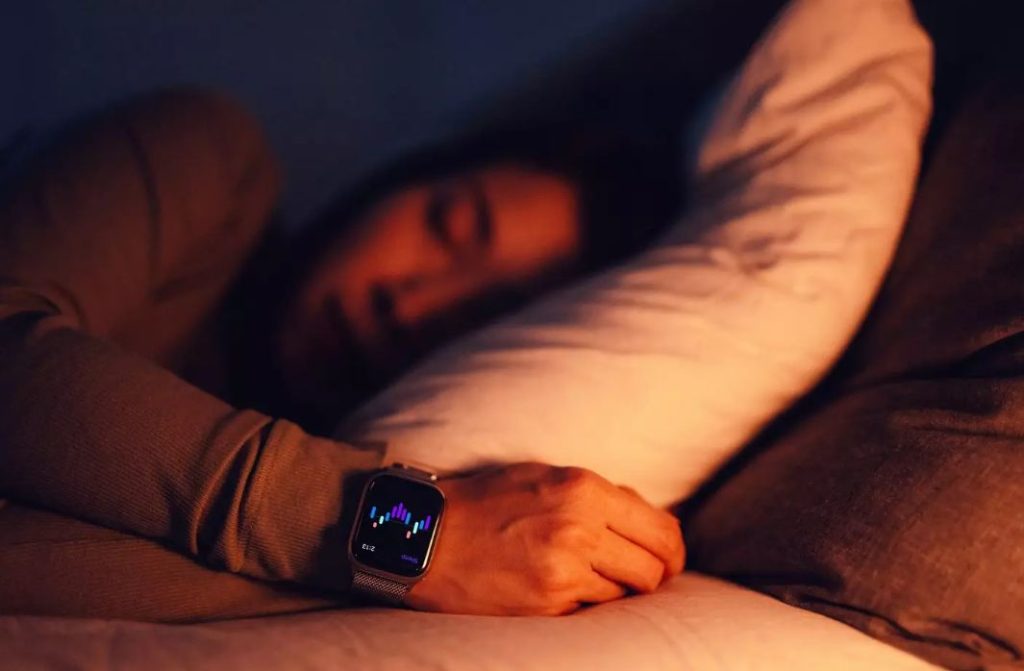
By reducing evening phone use and embracing better pre-sleep habits, you may not only fall asleep faster — you might also improve sleep quality, get deeper rest, and wake up feeling more refreshed. And while giving up the phone doesn’t guarantee vivid or pleasant dreams, it can help your brain settle into the kind of restful, restorative sleep where dreams — meaningful or otherwise — are more likely to arise. In a broader sense, moving away from screen dependence before bed can help restore balance in how we unwind and recharge. With less mental clutter, less blue-light interference, and more peaceful transition to sleep — your body and mind get a better chance to recover, reset, and be ready for the next day.