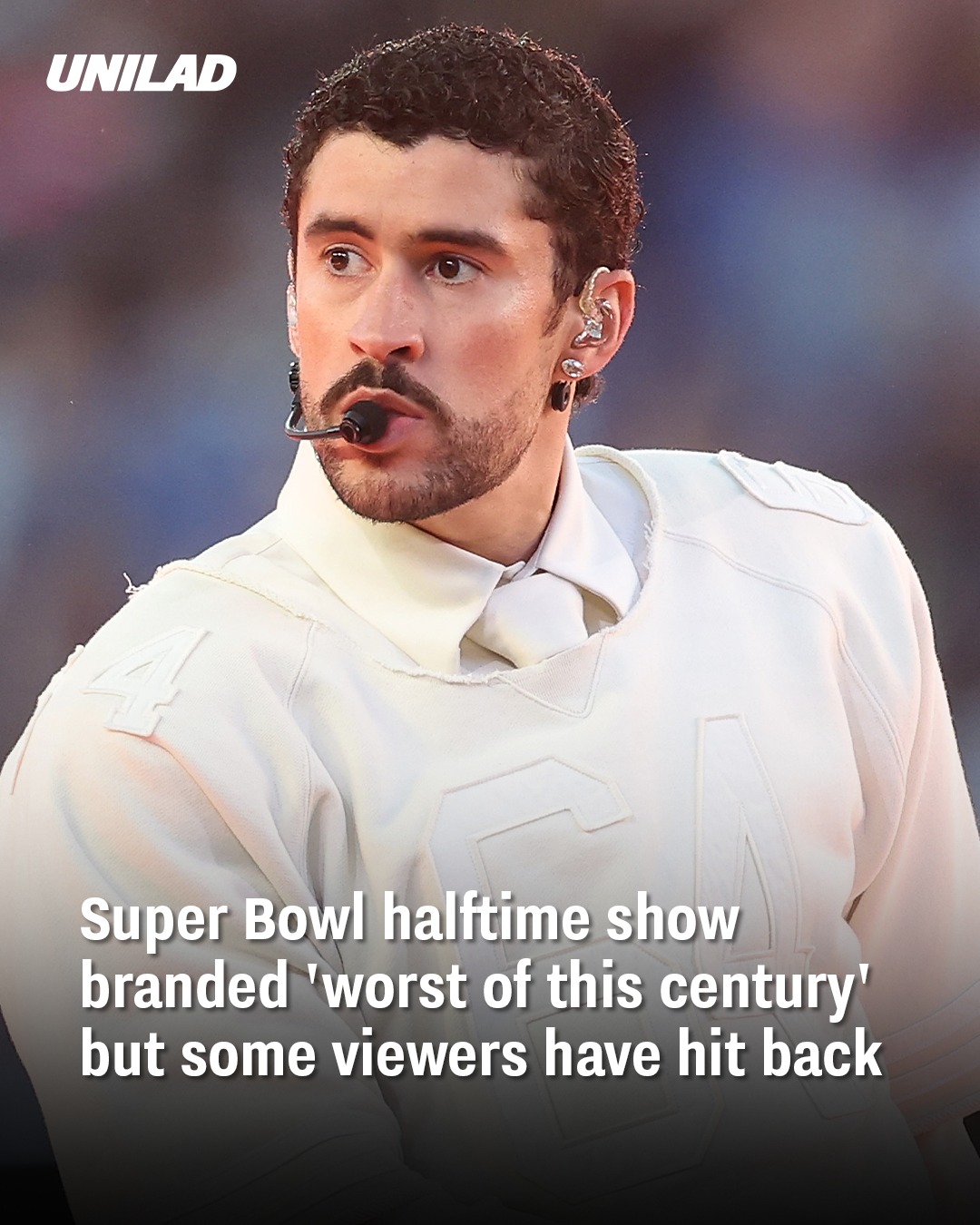
Bad Bunny made history on February 8, 2026, as the first artist to perform a Super Bowl halftime show almost entirely in Spanish. While millions praised the performance for its cultural pride, a significant portion of viewers complained that singing predominantly in Spanish during America’s most-watched entertainment moment was inappropriate or exclusionary.
The Super Bowl, broadcast to more than 130 million viewers, traditionally features musical acts that appeal to a broad English-speaking audience. Bad Bunny’s choice to emphasize his native language instead challenged these expectations and sparked a polarized reaction across the United States.
What Critics Are Saying
Many critics objected to the performance because they felt the language barrier made it difficult for mainstream audiences to connect with the show. Some viewers said they struggled to understand the lyrics and felt left out of a halftime spectacle that usually feels universal. Online comments echoed frustration about the lack of English translations or subtitles during the show. Some critics went further, framing the Spanish language set as a political statement rather than purely artistic expression. They argued that the NFL, as the organizer, should have programmed an entertainer who represented a more “traditional” American identity for a national event like the Super Bowl. The criticism was especially strong among conservative commentators and some sports fans, many of whom voiced their displeasure on social media platforms and message boards. A few described the choice as alienating to non-Spanish-speaking audiences, suggesting that the performance was out of touch with the game’s cultural context.
Political Reactions Add Fuel to the Fire
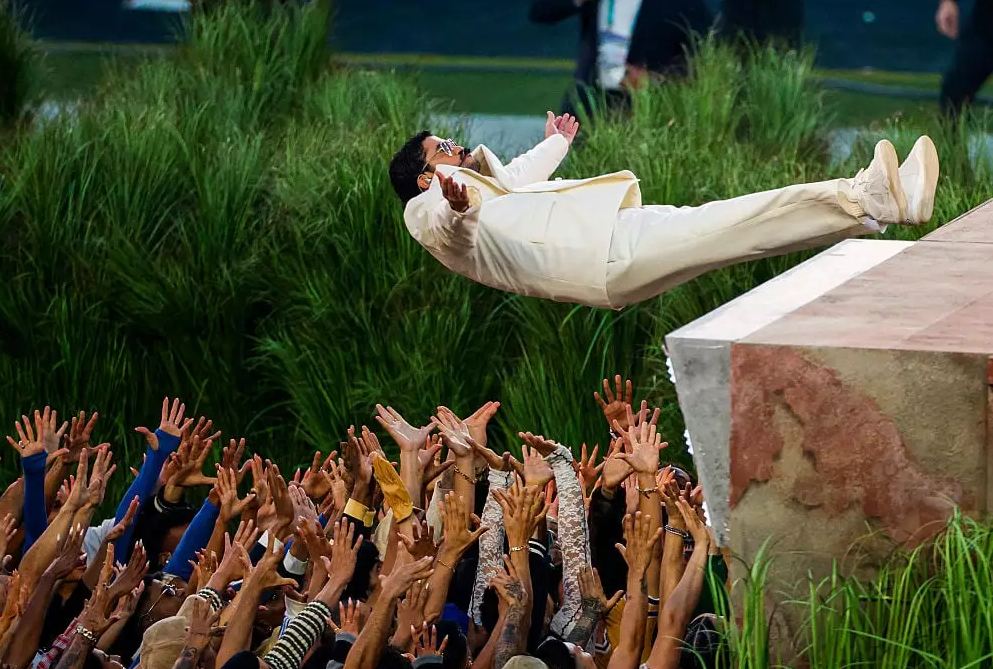
The backlash over the language choice wasn’t limited to casual fans. Former U.S. President Donald Trump publicly denounced the performance, calling it “terrible” and suggesting it was misplaced for such a high-profile American event. Trump and other conservative figures used the language issue as part of broader cultural criticism of the show. Some critics also interpreted the Spanish performance as intertwined with political themes like immigration and cultural identity, especially given Bad Bunny’s known public commentary on these issues in past interviews and appearances.
Supporters Push Back Against the Criticism
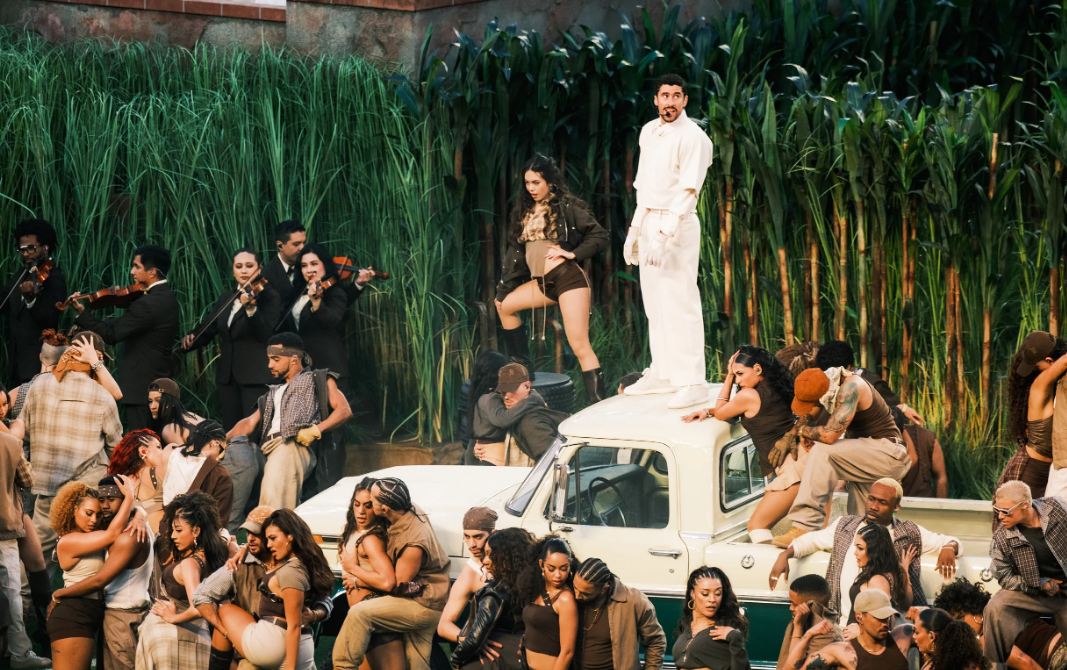
At the same time, many fans and commentators defended Bad Bunny’s artistic choices. Supporters pointed out that music transcends language and that millions of viewers enjoyed the performance for its energy, cultural richness, and theatricality — even without understanding every word. Some argued that understanding lyrics isn’t necessary to appreciate a live show and that dance, production quality, and visual storytelling can make a performance accessible regardless of language. There were also voices emphasizing that the United States is a multicultural society with a large and growing Spanish-speaking population. For these supporters, the halftime show marked a milestone for representation and reflected shifting cultural dynamics within American entertainment.
Cultural and Industry Responses
Beyond social media, industry voices framed the halftime show as part of a broader evolution in how major events reflect diverse audiences. Some analysts noted that the NFL and its partners aimed to highlight cultural variety and global appeal, recognizing Latin music’s massive influence worldwide.
Music critics and cultural commentators highlighted how artists like Bad Bunny have achieved global success without anglicizing their music, suggesting that the language of the performance was less about exclusion and more about authentic expression on a global stage.
A Moment of Broader Debate
The conversation around Bad Bunny’s Spanish-language halftime show became more than a simple debate about entertainment. It reflected ongoing cultural tensions in the U.S., particularly around language, identity, and what constitutes American popular culture. While critics focused on accessibility and tradition, supporters celebrated diversity and inclusion. Ultimately, Bad Bunny’s performance ignited a broader discussion that went beyond music, touching on how major cultural moments intersect with changing demographics and public expectations in one of the nation’s most visible stages.