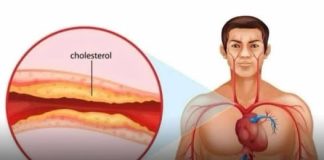
Stroke prevention is not only about age or genetics. Daily habits, especially those related to eating and sleeping, play an important role in long-term brain and heart health. Small, repeated actions can either protect blood vessels or place unnecessary strain on them. Being mindful of what you do after meals and before bed can significantly lower health risks at any stage of life.
Don’t Lie Down Immediately After Meals
One of the most common mistakes people make is lying down right after eating. This habit can slow digestion and increase the risk of acid reflux, which may negatively affect blood circulation over time. Remaining upright for at least 30 minutes after meals helps the digestive system work efficiently and supports stable blood pressure. A short walk after eating can further improve circulation and metabolic balance.

Don’t Overeat or Rush Your Meals
Eating too quickly or consuming overly large portions puts stress on the digestive and cardiovascular systems. Sudden spikes in blood sugar and blood pressure can occur, especially when meals are high in salt or unhealthy fats. Slowing down, chewing food thoroughly, and stopping before feeling overly full can help maintain steady energy levels and reduce unnecessary strain on the body.
Don’t Smoke or Drink Alcohol After Eating
Smoking or drinking alcohol immediately after meals can interfere with nutrient absorption and place additional pressure on blood vessels. Alcohol may also affect blood pressure and heart rhythm when consumed regularly or excessively. Allowing time between meals and these activities gives the body a chance to focus on digestion and recovery.
Don’t Ignore Evening Hydration
Many people avoid drinking water in the evening to prevent nighttime bathroom trips. However, dehydration can thicken the blood and reduce circulation, particularly during sleep. Sipping small amounts of water in the evening helps maintain hydration without overwhelming the body. Balance is key to supporting healthy blood flow overnight.
Don’t Stay Up Too Late
Consistently going to bed late disrupts the body’s natural rhythm and increases stress hormone levels. Poor sleep quality is closely linked to high blood pressure and inflammation, both of which increase stroke risk. Establishing a regular bedtime allows the body to repair blood vessels and regulate essential processes during sleep.
Don’t Use Screens Right Before Bed
Exposure to bright screens before sleep can interfere with melatonin production, making it harder to fall asleep. Poor sleep quality affects heart rate, blood pressure, and overall recovery. Turning off screens at least 30 minutes before bed helps prepare the body for rest and supports deeper, more restorative sleep.
Don’t Eat Heavy Meals Late at Night
Late-night meals, especially those high in salt or fat, can elevate blood pressure and disrupt sleep. The body is less efficient at processing food during rest hours, which can strain the cardiovascular system. Choosing lighter evening meals and allowing time for digestion before sleep can support healthier nighttime recovery.

Build Safer Daily Routines
Stroke prevention does not rely on drastic changes. Simple routines such as mindful eating, gentle evening hydration, consistent sleep schedules, and reduced stimulation before bed can make a meaningful difference. These habits support stable circulation, healthier blood vessels, and improved overall well-being.
Conclusion
Protecting brain and heart health starts with everyday choices. Avoiding harmful habits after meals and before bed can reduce strain on the body and promote better circulation at any age. By making small, consistent adjustments to daily routines, individuals can support long-term health and lower the risk of serious complications over time.