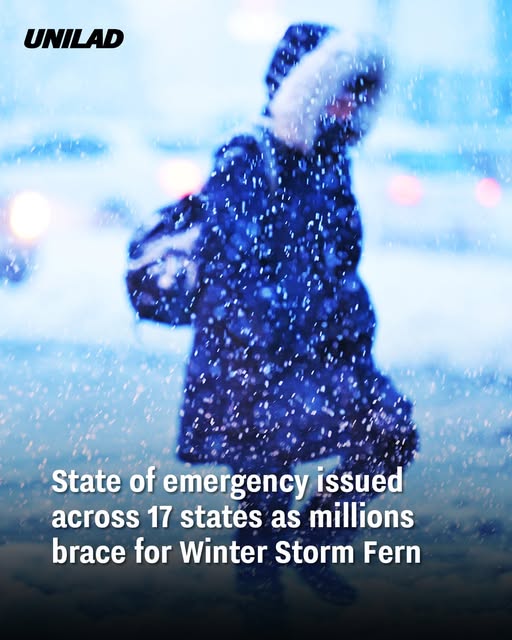
A powerful winter storm named Fern has swept across the United States, prompting governors in multiple states to declare states of emergency due to hazardous snow, ice, and extreme cold. The storm system stretches thousands of miles, affecting regions from the Southern Plains through the Midwest and all the way to the Northeast. Officials are warning that the approaching weather could bring dangerous conditions comparable to those usually seen during hurricanes, with massive disruptions to everyday life across vast parts of the country.
Massive Impact on People and Infrastructure
Winter Storm Fern is unprecedented in scale and intensity. Millions of Americans are under severe weather warnings, with at least 21 states issuing emergency declarations to mobilize resources and emergency response teams. The conditions include heavy snowfall, layers of ice, and dangerously low temperatures that have already claimed lives. At least two deaths from hypothermia were reported in the southern United States as the storm moved through Louisiana, while additional fatalities have emerged elsewhere as cold conditions persist. Electric grids are under enormous strain, leading to major power outages in several regions. Hundreds of thousands of households and businesses in southern and central states have lost electricity, creating additional hazards in sub-freezing weather. Authorities are urging residents to prepare for prolonged outages and keep emergency supplies on hand.
Disrupted Transportation and Travel Chaos
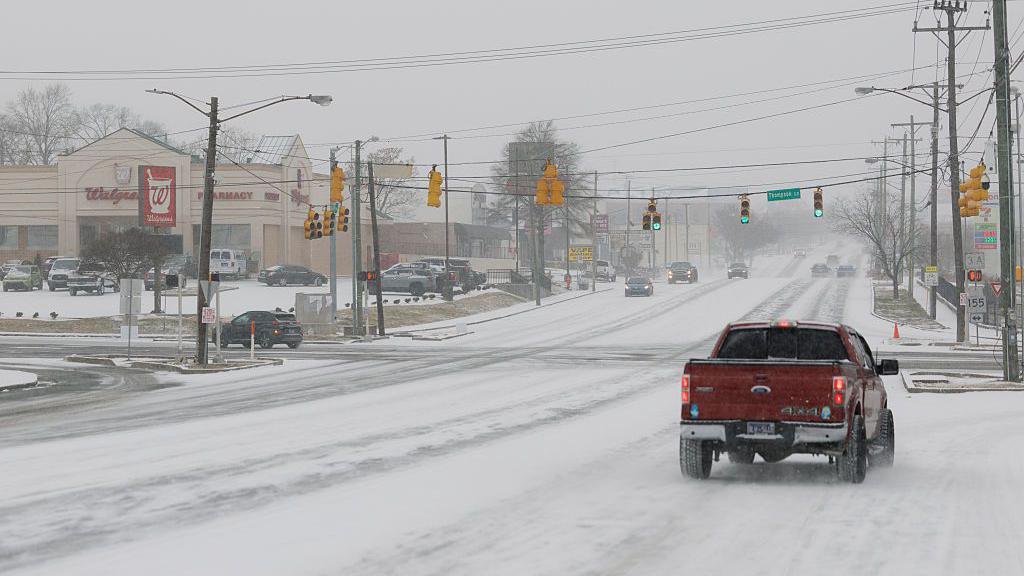
Travel has been severely disrupted nationwide due to the storm’s effects. Nearly 12,000 flights were canceled over the weekend, causing chaos at major airports and frustrating travelers heading to or from destinations across the country. Railroad services, public transit, and highway travel have also been hampered by snow and ice accumulation, with advisories issued to avoid all non-essential travel to reduce accidents and allow cleanup crews to work. In the Northeast, regional bus and rail services, including NJ Transit, announced suspension of operations to protect commuters and employees. Roads in many states have become treacherous, with icy conditions causing accidents and blocking major thoroughfares.
Extreme Weather Conditions and Cold
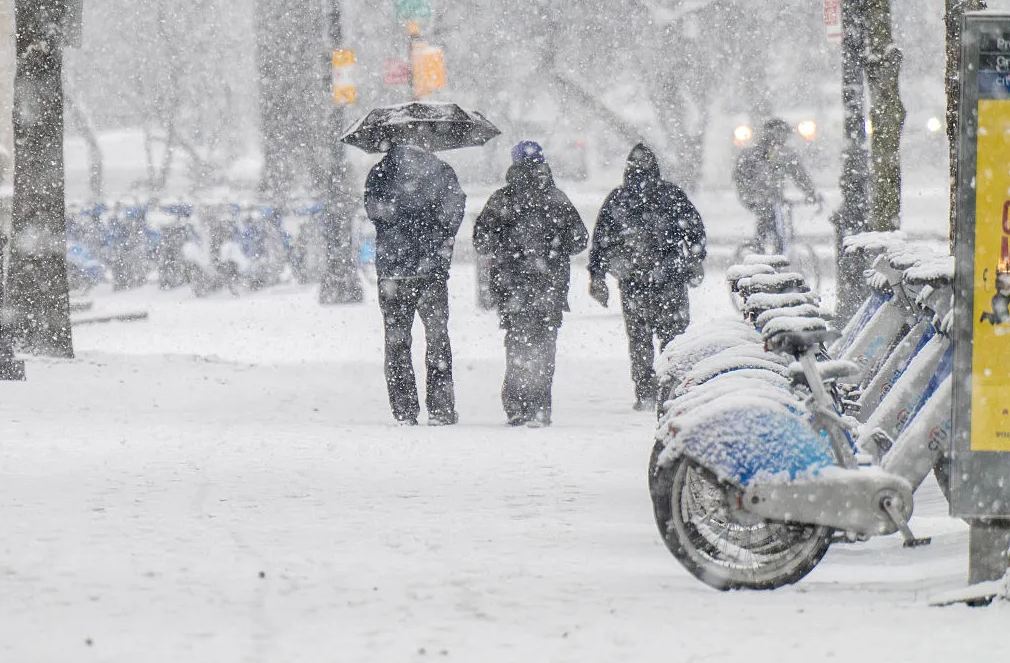
The storm has brought a mix of snow, sleet, and freezing rain, creating a thick icy coating on roads, power lines, and other infrastructure. Forecasters predict snowfall ranging from several inches to over a foot in some areas, with sleet and ice likely to make conditions even more hazardous. This blend of wintry weather has made both driving and walking unsafe in many places. Temperature records are being tested as Arctic air follows Fern’s passage, pushing readings into dangerously low ranges across affected regions. Officials warn that the cold will persist even after snowfall ends, slowing recovery efforts and prolonging disruptions.
Government Response and Safety Measures
In response to the growing crisis, state and federal authorities have mobilized resources. National Guard units from multiple states are assisting with emergency operations, helping to clear roads, support stranded motorists, and provide aid to communities in need. Federal disaster declarations enable faster deployment of funds, equipment, and personnel to the hardest-hit regions. Governors and emergency officials are strongly advising people to stay indoors, avoid unnecessary travel, and prepare for prolonged disruptions to electricity and transportation. School closures and federal office shutdowns have already been announced in key metropolitan areas due to safety concerns.
What Comes Next
Winter Storm Fern continues to move across the country, with impacts expected through the middle of the week. Residents are being urged to monitor local weather alerts, check on vulnerable neighbors, and ensure they have coping plans for extreme cold and potential isolation. Emergency services are stretching to meet demand, highlighting the storm’s severity and the importance of community preparedness.