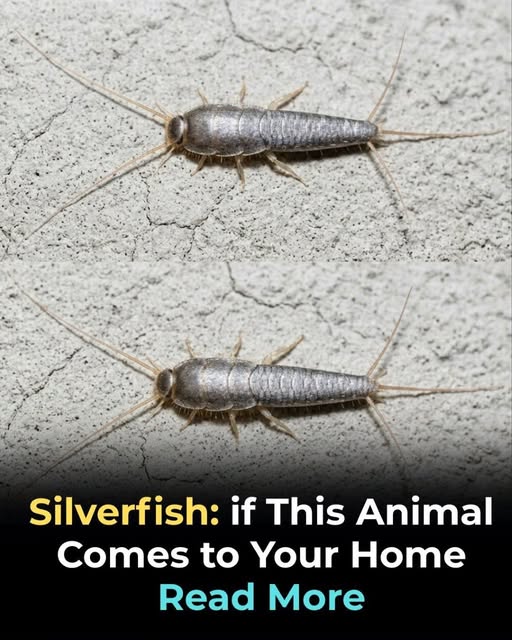
Silverfish are small, wingless insects known for their silvery-grey color and fast, fish-like movement. Although they are harmless to humans in terms of biting or spreading disease, they can become a nuisance when they invade homes. They tend to hide in dark, damp areas and often go unnoticed until their numbers increase.
What Silverfish Look Like
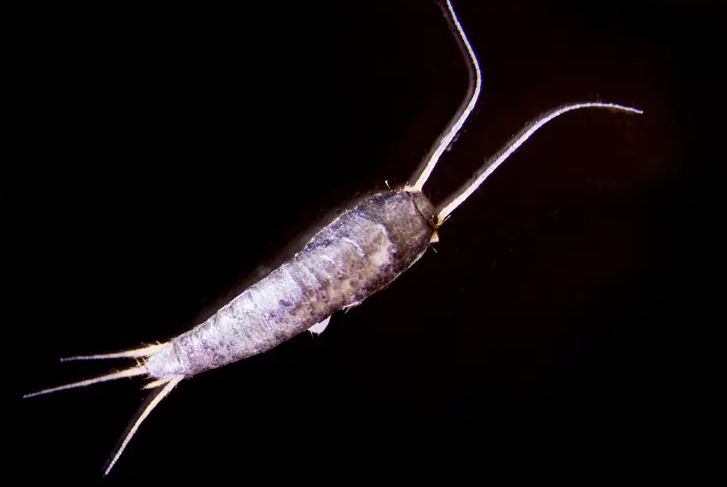
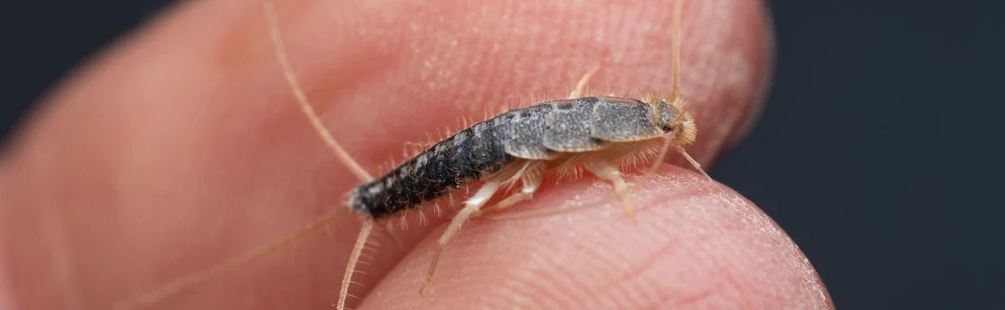
Silverfish are usually about 1–2 cm long, with elongated, flattened bodies covered in fine scales that give them a metallic sheen. They have long antennae and three tail-like appendages at the rear of their body. Their movement is quick and wriggling, similar to a fish swimming—this is where their name comes from.
Why Silverfish Enter Homes
Silverfish are attracted to environments that are:
- Dark
- Warm
- Humid
They often enter homes in search of moisture and food sources. Common entry points include cracks in walls, gaps around windows, and poorly sealed basements or bathrooms. They are especially common in older buildings or areas with poor ventilation.
What Silverfish Eat
Silverfish feed on carbohydrates and starches, which makes many household items potential food sources. These include:
- Paper and books
- Cardboard boxes
- Wallpaper glue
- Clothing made from natural fibers
- Starch-based adhesives
Because of this, they can sometimes damage books, important documents, or stored clothing.
Where You Might Find Them
Silverfish prefer hidden, undisturbed places such as:
Bathrooms (behind sinks or toilets)
Kitchens (inside cabinets or under appliances)
Basements and attics
Closets with stored paper or clothing
Behind wallpaper or baseboards
They are nocturnal, meaning they are most active at night.
Are Silverfish Dangerous?
Silverfish do not bite, sting, or transmit diseases, so they are not dangerous to humans or pets. However, they can still cause problems by:
Damaging books, documents, and wallpaper
Contaminating food packaging
Multiplying quickly in damp environments
Their presence usually indicates a moisture problem in the home.
How to Get Rid of Silverfish
1. Reduce Moisture
Use dehumidifiers, improve ventilation, and fix any leaks in pipes or walls.
2. Clean Regularly
Vacuuming and dusting help remove food sources like crumbs, paper dust, and starch residues.
3. Seal Entry Points
Close cracks, gaps, and openings where silverfish may enter.
4. Store Items Properly
Keep books, clothes, and cardboard in sealed plastic containers instead of open storage.
5. Use Traps or Insect Control
Sticky traps or natural repellents like cedar oil and diatomaceous earth can help reduce their numbers.
Prevention Tips
Preventing silverfish is mainly about controlling humidity and cleanliness:
Keep indoor humidity below 50%
Ventilate bathrooms and kitchens
Avoid leaving paper or cardboard on the floor
Regularly inspect dark storage areas
Conclusion
Silverfish are not harmful to humans but can become an annoying household pest if conditions are right. Their presence usually signals excess moisture and poor ventilation. By reducing humidity, sealing entry points, and keeping storage areas clean, you can effectively prevent and control silverfish infestations in your Silverfish are harmless to people but can still cause damage to household items such as books, paper, and clothing if left unchecked. Their presence is usually a sign of excess moisture in the home, which creates the ideal environment for them to survive and multiply. By controlling humidity, improving cleanliness, and sealing entry points, you can significantly reduce or prevent infestations. In most cases, simple preventive steps are enough to keep silverfish under control and maintain a clean, pest-free home.home.