In early January 2026, a fatal confrontation unfolded on the snowy residential streets of Minneapolis, Minnesota, when a federal Immigration and Customs Enforcement (ICE) officer shot and killed 37-year-old Renee Nicole Good, a local resident and mother. The incident occurred during a federal immigration enforcement operation that has sharply divided public opinion and drawn national attention.
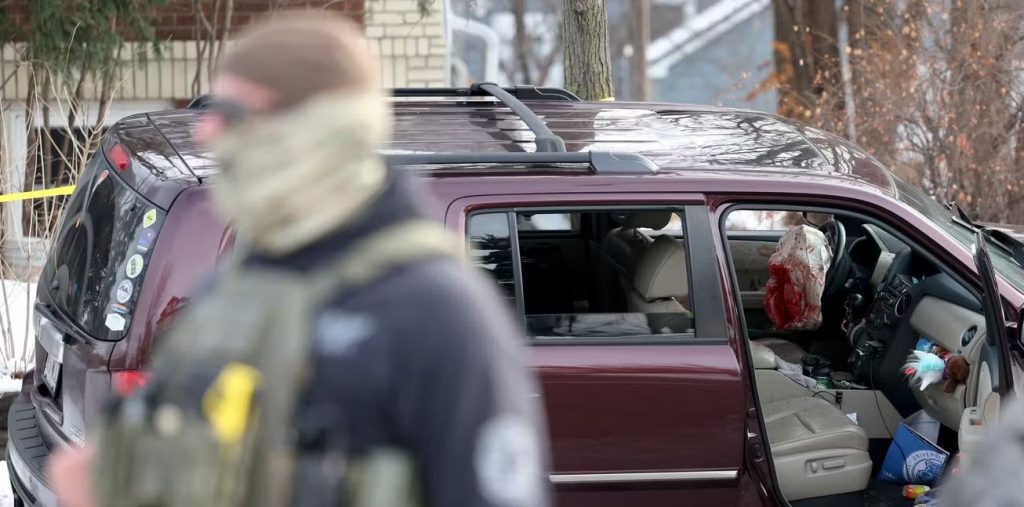
According to multiple eyewitness videos and investigative reporting, Good was inside her vehicle when she was approached by armed ICE agents. Bodycam, bystander, and social media footage show masked officers attempting to force entry into her SUV before one officer fired multiple shots at close range, striking her. Good was subsequently transported to a hospital, where she was pronounced dead.
Identity of the Officer and Contested Accounts
Federal officials later identified the ICE agent who fired the fatal shots as Jonathan Ross, a veteran law enforcement officer with nearly two decades of service, including previous work with Border Patrol. Ross sustained internal injuries during the incident, reportedly from contact with Good’s SUV before discharging his weapon. Homeland Security sources say he received medical treatment and was released. DHS Secretary Kristi Noem and other federal authorities have defended the shooting as an act of self-defense, claiming Good had “weaponized” her vehicle against the agent. Former President Donald Trump echoed this viewpoint in public remarks, framing Good’s actions as violent and justifying the agent’s response. However, video evidence and statements from local officials, journalists, and human rights organizations contradict that narrative, suggesting Good was moving her vehicle away from the scene when she was shot. Critics argue the federal account mischaracterizes the footage and underplays the use of excessive force.
Community Reaction and Legal Actions
Good’s family has condemned the shooting and rejected false or misleading claims about her history, emphasizing her role as a loving mother and community member. They have hired a high-profile civil rights law firm known for representing families in high-stakes police violence cases to pursue accountability and transparency. The shooting has triggered protests across Minneapolis and in other U.S. cities, with demonstrators denouncing aggressive federal immigration enforcement and demanding justice. Local leaders, including Minneapolis Mayor Jacob Frey and Minnesota Governor Tim Walz, have criticized ICE’s presence and methods, with state officials filing lawsuits against federal agencies aiming to curb the expanded operations under what critics term Operation Metro Surge. At the same time, the U.S. Department of Justice announced it currently sees “no basis” for a criminal civil-rights investigation into the agent’s conduct, a stance that has prompted criticism and the resignation of multiple federal prosecutors in Minnesota who expressed discomfort with the handling of the case.
Second Controversy: Woman Dragged by Federal Agents
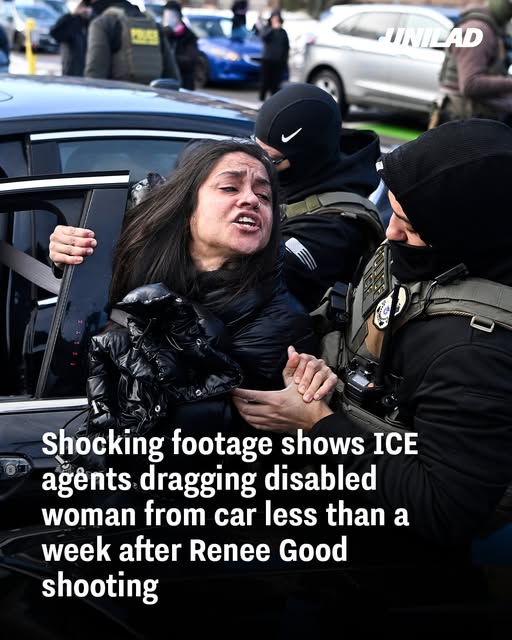
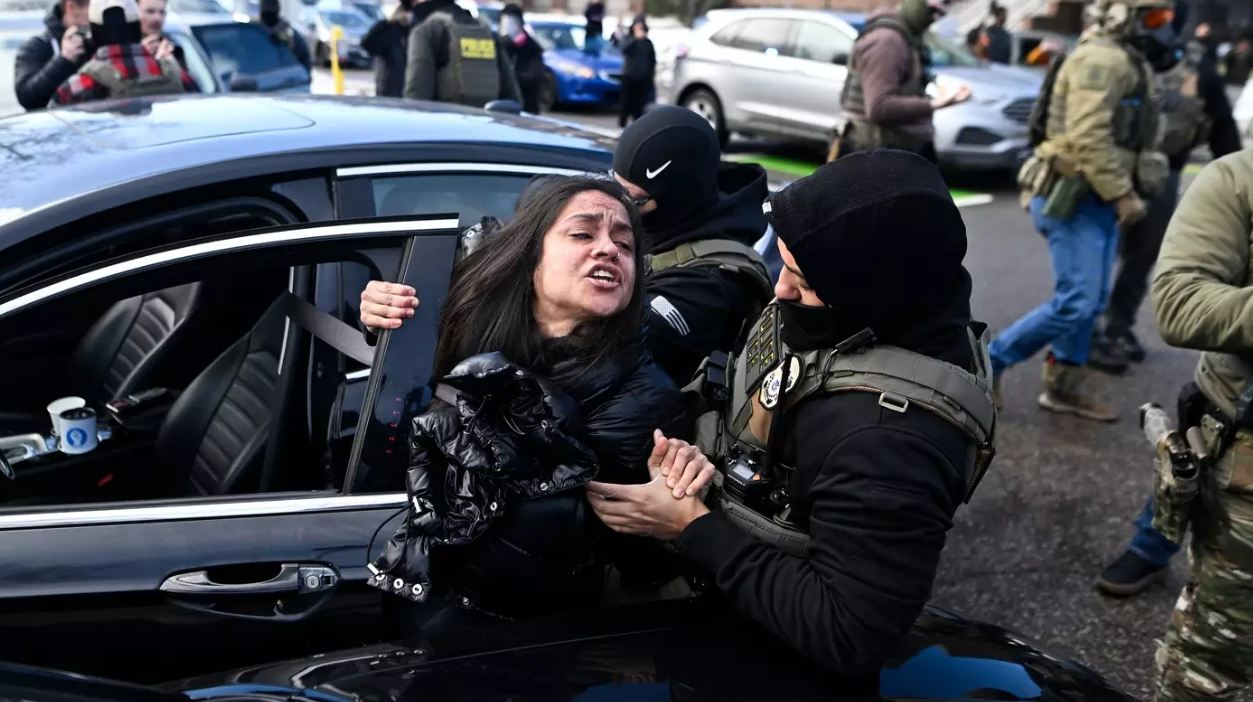
Just days after Good’s death, another troubling scene emerged on Minneapolis streets. Video footage circulating on social platforms shows federal agents forcibly removing and dragging a woman from her car during a chaotic encounter involving ICE personnel. According to witness accounts and the available clip, the woman—who identifies herself as disabled and seeking medical care—was grabbed through her driver’s window and pulled out of the vehicle amid shouts from bystanders pleading for agents to stop. The dramatic scene—captured near the same neighborhood where Good was shot—further inflamed tensions in the community. Protesters questioned the agents’ tactics and raised broader concerns about how enforcement operations are being conducted in residential areas.
National Implications and Ongoing Scrutiny
The Minneapolis incidents have become flashpoints in national debates over immigration enforcement, use of force, and federal authority. Human rights advocates argue that patterns of escalating confrontations between ICE agents and civilians risk endangering communities and eroding trust in law enforcement. As investigations continue and legal challenges mount, the cities of Minneapolis and St. Paul, along with civil rights groups, are pushing for greater oversight and reforms to federal immigration operations. For many observers, these events underscore deep divisions over enforcement strategy and the balance between security and civil liberties in the United States.