
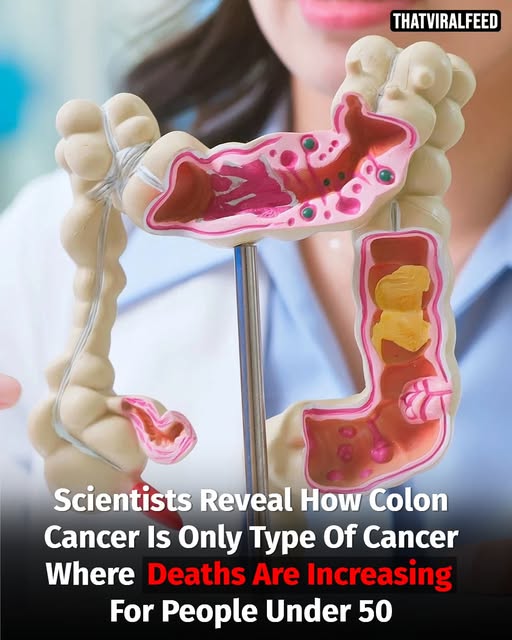
A growing body of research shows that colorectal cancer which includes both cancer of the colon and rectum is now the leading cause of cancer-related deaths among adults under the age of 50 in the United States. This is an alarming reversal of decades-long progress against cancer in younger adults and highlights a troubling public health trend that defies expectations.
While overall cancer death rates for Americans younger than 50 have declined significantly since the 1990s, colorectal cancer stands out as one major exception. A new analysis of mortality data shows that deaths from this disease have increased steadily—about 1 % per year since the early 2000s even as deaths from lung, breast, leukemia, and brain cancers have all fallen.
From Fifth to First: An Unexpected Rise
According to researchers who reviewed national death records from 1990 through 2023, colorectal cancer mortality among people under 50 rose enough to make it the number one cause of cancer death in this age group. In the early 1990s, colon and rectal cancers ranked fifth among causes of cancer death for adults under 50. Today, they are at the top of the list. Doctors describe this trend as “an outlier” because it sharply contradicts improvements seen with most other major cancers. While overall cancer deaths in young adults dropped by nearly half—about a 44 % decline—over the same period, colorectal cancer continued its upward climb.
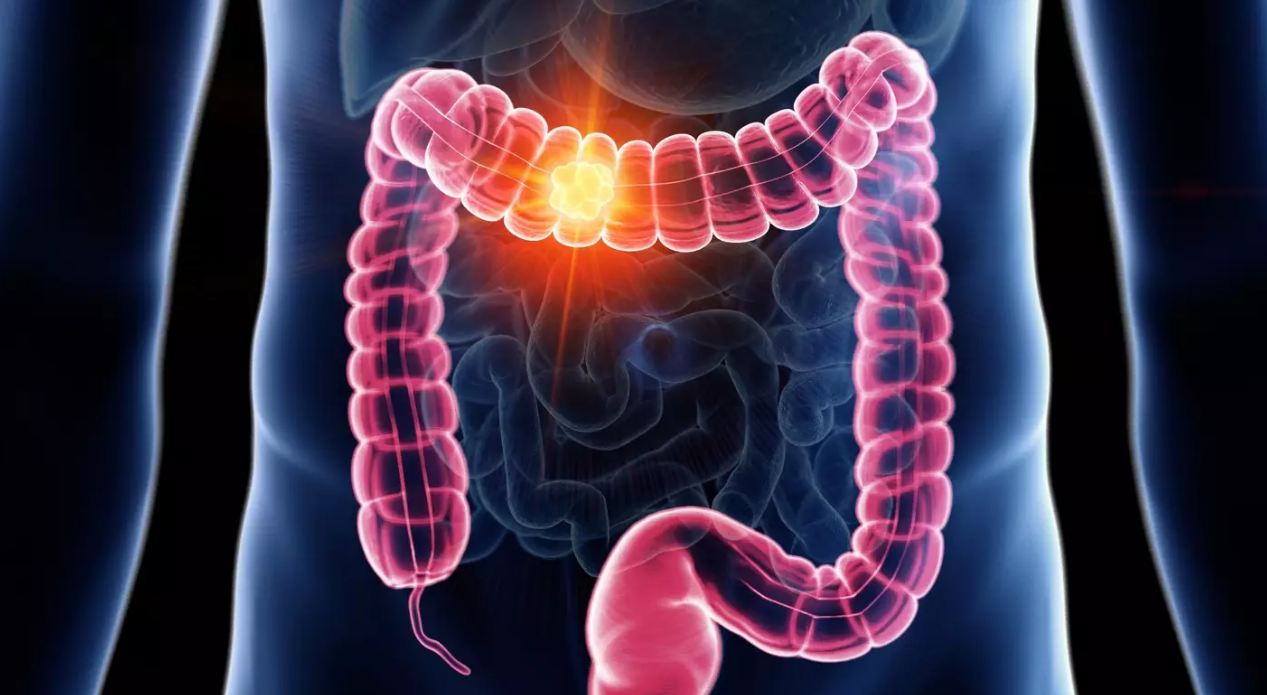
Why Young Adults Are Affected
Experts do not yet fully understand why colorectal cancer is increasing among younger people, but several factors are under investigation:
- Lifestyle and diet: Higher rates of obesity, sedentary lifestyles, and diets heavy in ultra-processed foods have been linked to increased colorectal cancer risk.
- Microbiome changes: Alterations in the gut microbiome—possibly related to diet, antibiotic use, or environmental exposures—may influence early cancer development.
- Delayed screening: Because routine screening historically began at age 50, many younger adults are diagnosed at later stages when the disease is harder to treat. Recent guideline changes recommend starting screening at age 45, but uptake remains relatively low.
- It is also unclear whether these factors fully explain the trend, and the increasing burden of early-onset colorectal cancer appears to be a complex mix of environmental, behavioural, and possibly biological influences.
Diagnosis Often Happens Too Late
One of the most troubling aspects of rising colorectal cancer in younger adults is that it is frequently detected at advanced stages. Because young people rarely expect to have this disease and because screening was traditionally not done until older ages, many cases go unnoticed until symptoms become severe. This contributes to poorer outcomes and higher mortality. Symptoms such as persistent changes in bowel habits, rectal bleeding, unexplained weight loss, and abdominal discomfort should not be ignored at any age. Early detection dramatically improves treatment success.
Calls for Increased Awareness and Early Screening
Health professionals are urging greater awareness of colorectal cancer risk in younger adults and wider adoption of earlier screening guidelines. The U.S. Preventive Services Task Force currently recommends that average-risk adults begin screening at age 45, but some experts argue that high-risk individuals should start even earlier. In addition to screening, lifestyle modifications—such as maintaining a balanced diet high in fibre, staying physically active, limiting alcohol intake, and avoiding tobacco use—may help reduce individual cancer risk.
A Growing Public Health Priority
As colorectal cancer continues its rise among younger populations, doctors and researchers emphasize that understanding and addressing the trend must become a public health priority. Reducing mortality will require strong prevention efforts, widespread education about symptoms, and improved access to earlier and more effective screening tools.