
Turkey is one of the most popular meats in the world, especially during holidays like Thanksgiving and Christmas, but there’s one thing most people never stop to think about why don’t we ever see turkey eggs in supermarkets? While chicken, duck, and even quail eggs are easy to find, turkey eggs remain almost completely absent from store shelves. Now, many people are only just discovering there’s actually a very practical reason behind it. At first, some might assume turkey eggs simply don’t taste good, or that they aren’t safe to eat. But that isn’t true at all. Turkey eggs are perfectly edible, and in fact, people who have tried them often describe them as richer than chicken eggs. The real reason they’re so rare has less to do with taste and far more to do with cost, farming, and efficiency.
Turkey Eggs Are Edible — But They’re Expensive
One of the biggest reasons turkey eggs never became a common grocery staple is that they cost far more to produce than chicken eggs. Turkeys take longer to mature and begin laying eggs, which immediately makes them less practical for farmers focused on egg production. According to Kimmon Williams of the National Turkey Federation, turkeys need to be around seven months old before they are able to start laying eggs. Chickens, by comparison, can begin laying much earlier. Turkeys also don’t lay eggs nearly as often as chickens. While a healthy chicken can produce eggs regularly and at a much faster pace, turkeys lay relatively slowly. That means farmers get far fewer eggs over time, making each one much more expensive to bring to market. Experts cited in recent coverage estimated that producers would likely need to charge around $36 for a dozen turkey eggs, or roughly $3 per egg, just to make it financially worthwhile. Compared to regular chicken eggs, that price is simply too high for most shoppers.
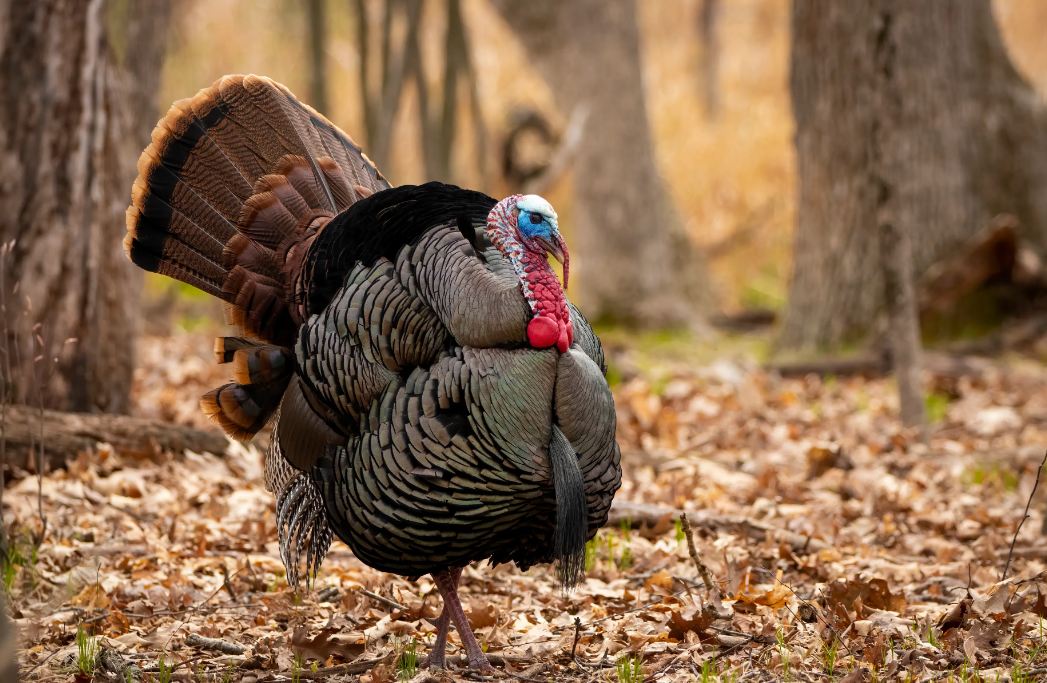
Turkeys Cost More to Raise Than Chickens
Another major factor is the bird itself. Turkeys are larger, need more food, require more space, and generally cost more to care for than chickens. That means farmers must spend more money before they ever get a single egg in return. When those higher costs are combined with slower egg production, turkey eggs become a difficult product to sell on a mass scale. This is also why turkey farming has focused much more heavily on meat than eggs. Because turkeys are large birds with plenty of desirable cuts, especially breast meat, farmers make more economic sense selling the bird itself rather than trying to build a large-scale egg business around it.
They Used to Be More Common
Interestingly, turkey eggs were eaten more often before industrial-scale egg farming changed the poultry business. Once chicken farming became more efficient and widespread, chicken eggs became the obvious choice because they were cheaper, easier to produce, and more accessible for everyday buyers. Over time, turkey eggs became more of a niche product or delicacy rather than a household staple.
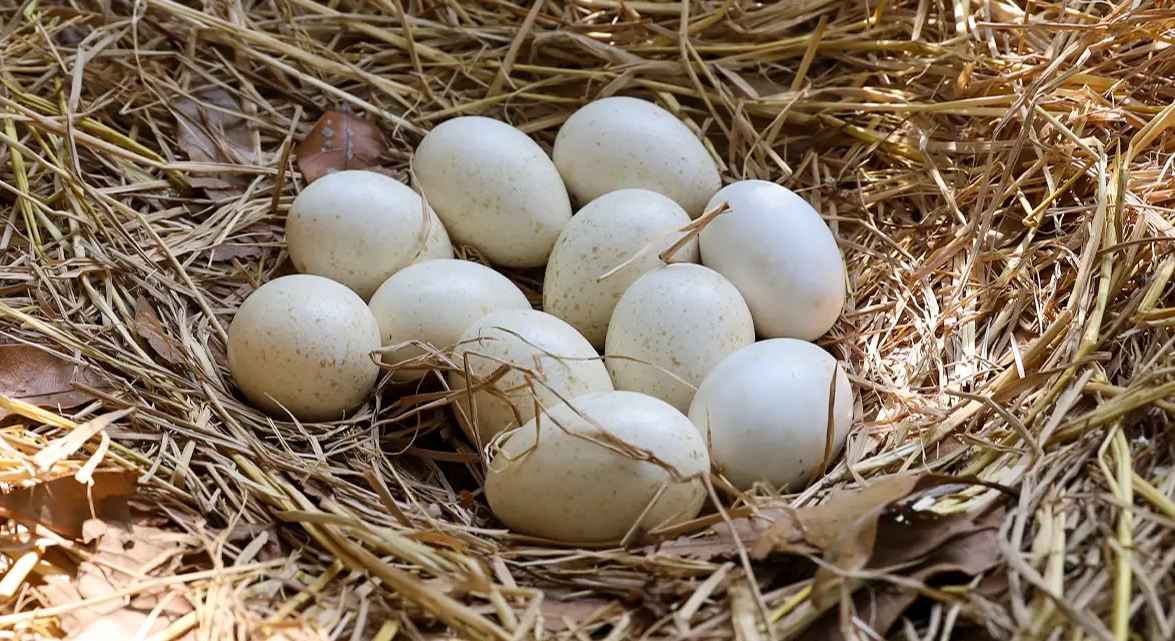
The Real Answer Is Simple
So yes, people absolutely can eat turkey eggs — they just usually don’t. Not because they taste bad, and not because they’re unsafe, but because they’re too expensive and inefficient to produce on a large scale. In the end, the reason you never see turkey eggs next to chicken eggs is surprisingly simple: they make far less business sense.