
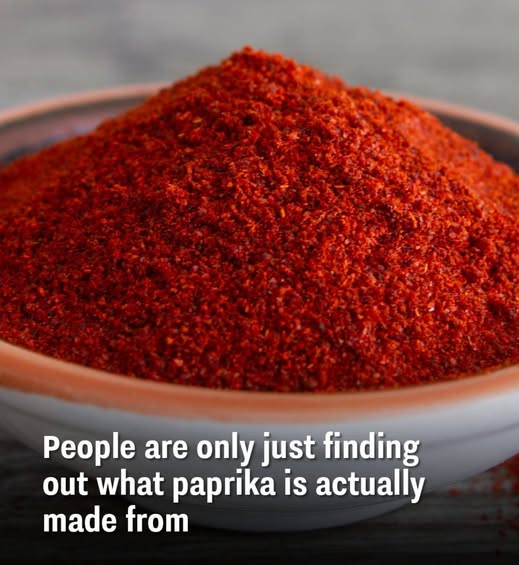
Paprika is one of the most common spices found in kitchens around the world. It adds a bright red color and mild flavor to dishes such as soups, stews, roasted vegetables, and deviled eggs. Despite its popularity, many people still don’t actually know what paprika is made from. Some assume it is a mixture of spices, while others think it is related to black pepper. In reality, paprika is much simpler than many people expect.
The truth is that paprika is made from dried and ground red peppers, specifically varieties of the plant Capsicum annuum.
Paprika Comes From Peppers
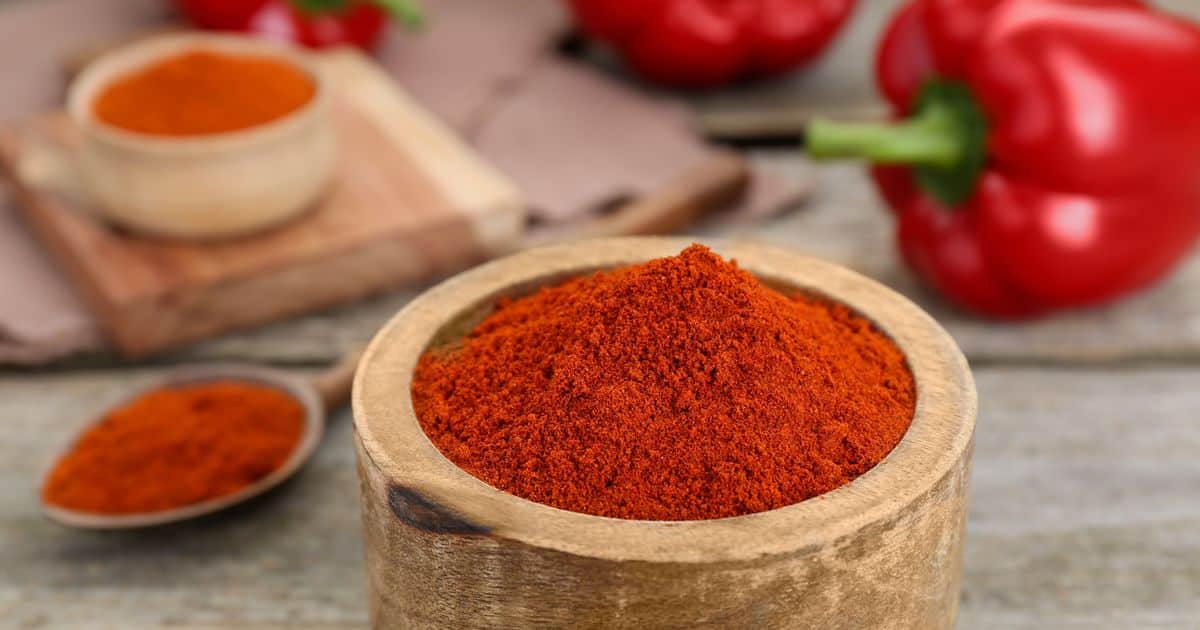
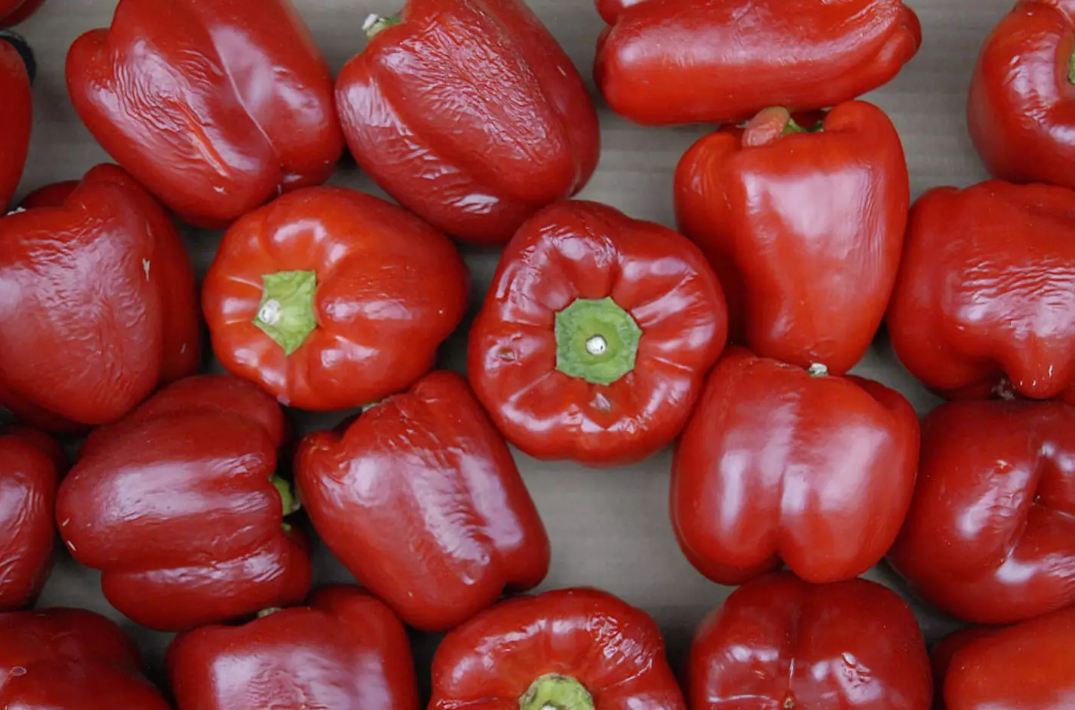
- Paprika is produced by drying ripe red peppers and grinding them into a fine powder. These peppers belong to the same plant family as bell peppers, chili peppers, and jalapeños.
- After the peppers are harvested, they are typically dried in the sun or with heat. Once fully dried, they are ground into the bright red spice that appears in grocery stores around the world.
- Because paprika comes from peppers, its flavor and heat level depend on the type of pepper used. Some peppers are very mild and sweet, while others contain small amounts of capsaicin—the compound responsible for spicy heat.
- This is why paprika can range from very mild to slightly spicy.
Why Paprika Isn’t Always Spicy
- Many people are surprised to learn that most paprika is not very hot. That’s because the peppers used for traditional paprika are usually mild varieties that contain very little capsaicin.
- Sweet paprika, which is the most common type sold in stores, is made primarily from the flesh of mild red peppers with most of the seeds removed.
- Other versions, however, can be slightly stronger. When seeds and stems are included during processing, the final spice may contain more heat.
- Still, even the spicier varieties are usually much milder than chili powder or cayenne pepper.
- Different Types of Paprika
Paprika isn’t just one single spice. There are several varieties, each with a slightly different flavor profile depending on how the peppers are grown and processed.
Common types include:
- Sweet paprika – Mild and slightly sweet, often used for color and gentle flavor.
Hot paprika – Made from spicier peppers and used to add heat.
Smoked paprika – Produced by drying peppers over wood smoke, giving it a deep smoky taste. - Different countries also produce distinctive styles. Hungarian and Spanish paprika are especially famous, and each region uses specific pepper varieties and processing techniques.
A Spice With Global History
Although paprika is strongly associated with Hungarian cuisine today, peppers originally came from the Americas. The plants were introduced to Europe in the 16th century after being brought from Central and South America by explorers. Over time, paprika became a central ingredient in several European cuisines, particularly in Hungary and Spain. Dishes such as goulash, paprikash, and various stews rely heavily on the spice for both flavor and color. Today, paprika is used worldwide in everything from meat rubs and sauces to snack seasonings.
A Simple Ingredient With a Big Impact
Despite all the confusion surrounding it, paprika is actually one of the simplest spices in the kitchen. In its pure form, it contains only one ingredient: dried and ground peppers. What makes paprika unique isn’t a complicated recipe, but the variety of peppers used and the way they are processed. So the next time you sprinkle paprika over a dish, you’ll know exactly what it is—a colorful powder made from peppers that have been carefully dried and ground into one of the world’s most recognizable spices.