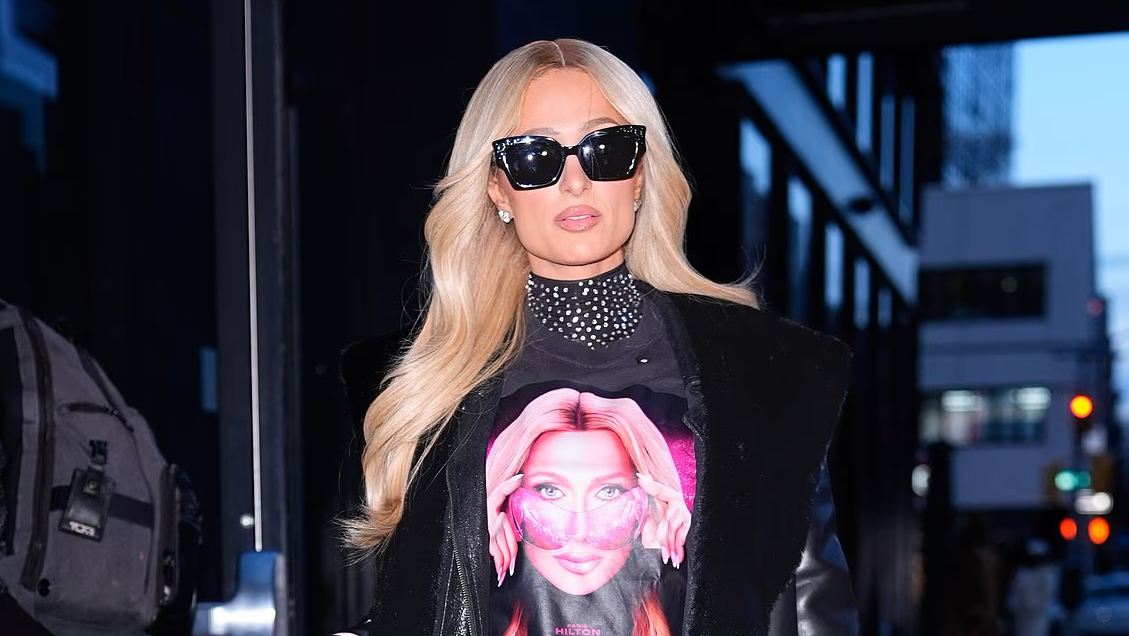
Paris Hilton, the American socialite, businesswoman and entertainer, recently spoke openly about her lifelong mental health challenges including her struggles with attention‑deficit/hyperactivity disorder (ADHD) and a related emotional condition called rejection sensitive dysphoria (RSD). Her comments, shared on The Skinny Confidential Him & Her Show podcast, provide a rare and personal glimpse into how these conditions affected her life and public persona.
At 44, Hilton described how learning she had ADHD in her late 20s was a turning point that helped explain many of her earlier struggles, from difficulties in school to intense emotional reactions that once felt overwhelming and inexplicable. Before her diagnosis, she said no one had talked about ADHD in girls and women when she was growing up — it was often dismissed as something “only little boys have.”
What Is ADHD and RSD?
ADHD is a neurodevelopmental condition characterized by symptoms such as inattention, impulsivity and hyperactivity, but it also can involve emotional dysregulation that isn’t widely understood, especially in adults and women. RSD — which is closely associated with ADHD — refers to an intense emotional response to perceived rejection or criticism. Although not a formal medical diagnosis on its own, RSD is widely discussed by specialists and described by patients as deeply impactful. Hilton explained that RSD makes ordinary negative interactions feel far more painful than they objectively are. She illustrated this by saying it’s “almost like a demon in your mind” that feeds negative self‑talk and emotional pain, especially in stressful situations. As she put it, someone with RSD can interpret a minor slight or imagined rudeness as something physically painful, even when there’s no real threat.
The Impact on Her Life and Career
Looking back on her early fame — especially during the 2000s when she was one of the most talked‑about celebrities in the world — Hilton said living with undiagnosed ADHD and RSD made the experience far more emotionally taxing than it appeared from the outside. The constant media scrutiny, public judgment and criticism intensified her internal struggles, which she didn’t understand at the time. She acknowledged that those intense feelings and self‑criticism often felt unbearable but were not reflections of reality — rather, they were her brain’s emotional response kicking in. Recognizing that gave her a clearer sense of why certain moments from her past were so painful.
From Struggle to Advocacy
Today, Hilton is using her platform to raise awareness about ADHD and RSD. Instead of hiding her experiences, she wants others — particularly young women and people who grew up without support — to feel seen and understood. Hilton said she has become “obsessed” with learning more about her condition and helping others recognize that these challenges don’t have to hold someone back in life. She also reframes ADHD as a potential superpower — acknowledging its creative and high‑energy aspects that have helped fuel her success as an entrepreneur, entertainer and public figure. But she was careful to emphasize that harnessing the positive elements of ADHD doesn’t negate the very real emotional pain that RSD can cause.
A Broader Conversation
Hilton’s openness contributes to a larger cultural dialogue around neurodiversity, mental health and emotional wellbeing. ADHD has historically been under‑diagnosed in women, partly because symptoms can present differently than in men, and discussions about emotional dysregulation like RSD are still emerging in public awareness. By speaking candidly about her experiences — including calling RSD “a demon” and describing how her ADHD shaped her life — Hilton hopes to reduce stigma and encourage others to seek understanding, support and self‑acceptance. In doing so, she’s helping to mainstream conversations about conditions that many people silently battle every day.

In summary
Paris Hilton was diagnosed with ADHD in her late 20s after struggling through childhood and young adulthood with little understanding of her condition. She also experiences Rejection Sensitive Dysphoria (RSD), which makes perceived criticism emotionally painful, something she compared to a “demon in your mind.” Hilton is using her platform to raise awareness and reduce stigma, framing ADHD as something that can be a strength as well as a challen