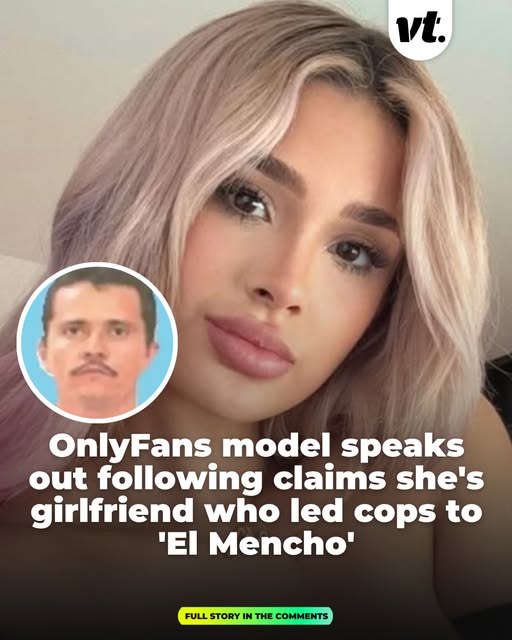
A Mexican influencer and OnlyFans creator, María Julissa, has publicly denied online claims that she was romantically involved with cartel leader Nemesio “El Mencho” Oseguera Cervantes or that she helped authorities locate him before his death. The allegations began circulating widely after the cartel boss was killed in a Mexican military operation, and her name became linked to the raid on social media and in some local reports.
El Mencho was the leader of the Cártel Jalisco Nueva Generación (CJNG), one of Mexico’s most powerful and violent criminal organizations. He had been one of the most wanted figures by both Mexican and U.S. authorities for years before dying during the confrontation with security forces. Rumors about María Julissa’s involvement emerged when Mexican officials confirmed that intelligence agents had tracked the cartel boss to a remote hideout by following the movements of one of his close female companions. Mexican Defense Secretary Ricardo Trevilla announced that authorities were able to locate El Mencho because of surveillance of a woman connected to him, but officials did not publicly identify her.

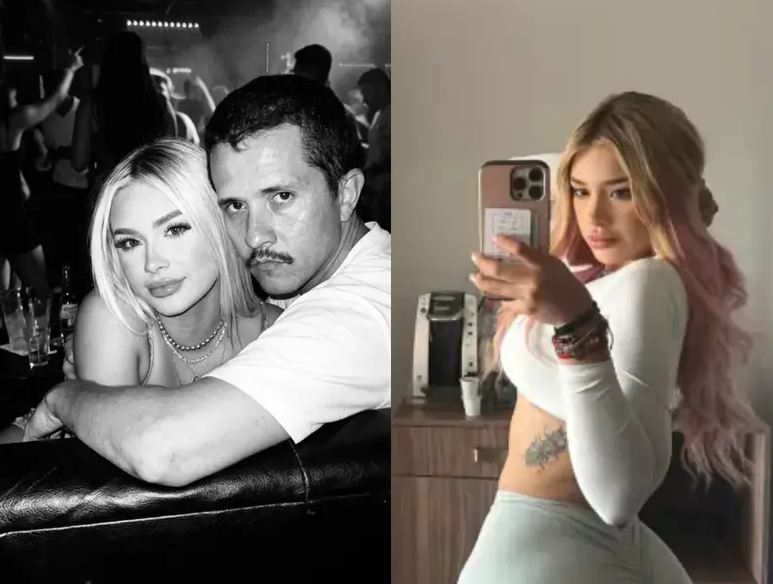
Despite the lack of official confirmation, speculation rapidly spread online linking Julissa to the unnamed woman mentioned by authorities. The situation was further complicated by AI-generated images and manipulated content that appeared on social platforms, falsely showing her with the cartel leader — fueling the rumors. Social media users amplified these posts, contributing to a wider belief that she had been El Mencho’s lover or played a role in his capture. Many of these claims have no credible evidence and appear to be based on misinformation or altered digital media.
Julissa’s Denial and Response
María Julissa took to Instagram, where she has some 3.5 million followers, to firmly reject the allegations. In her message, she stated that she had “absolutely nothing to do” with locating the cartel leader and that the online claims were false and unsubstantiated. She urged her audience not to share unverified information and to rely on trustworthy news and official updates. She emphasized that spreading rumors could be harmful, not just to her reputation but also to real people’s safety, and described the misinformation as dangerous. This was important given the volatile context surrounding the cartel’s activities and the heightened social tensions after El Mencho’s death.
Violence and Unrest After El Mencho’s Death
The operation that resulted in El Mencho’s death also triggered significant violence and unrest in Mexico, with retaliatory attacks reported in several states. Armed groups set vehicles on fire, blocked roads, and engaged in clashes with security forces, demonstrating the ongoing fragility of security in some regions. Officials have said that following the raid, authorities faced major challenges in stabilizing the situation, highlighting how impactful the death of such a high-profile criminal figure can be — not only in terms of law enforcement gains but also in potential backlash and chaos.
Misinformation and Digital Manipulation
Experts and journalists have noted that the surge in false or misleading content about the cartel leader’s demise — including posts involving María Julissa — is part of a broader wave of digital disinformation. Artificial intelligence tools and automated bots played a key role in amplifying fabricated images, speculative narratives, and harmful rumors after El Mencho’s killing. This highlights a growing challenge in how social media can influence public perception during major world events. Without clear, verified updates from authorities, speculation can gain traction quickly, sometimes at the expense of individuals wrongly thrust into the spotlight.
Ongoing Situation
At this time, there is no confirmed evidence that María Julissa was involved with El Mencho or assisted authorities. She remains a public figure known mainly as a content creator and influencer, not as a criminal actor or informant in cartel matters. Her denial underscores the risks that digital misinformation poses — particularly during volatile national security incidents such as the fall of one of the world’s most notorious drug lords.