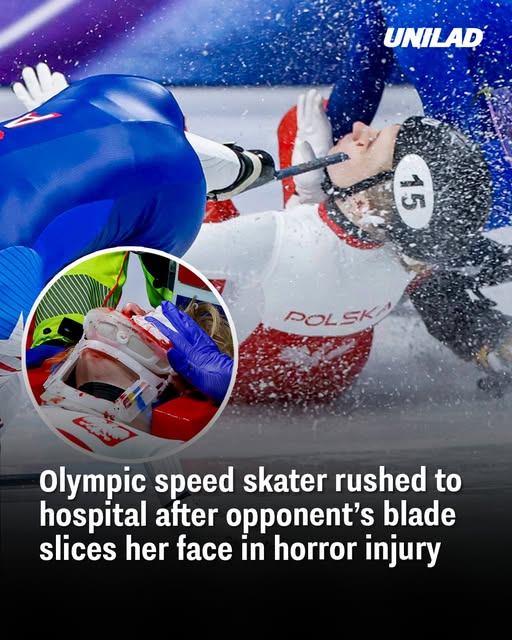
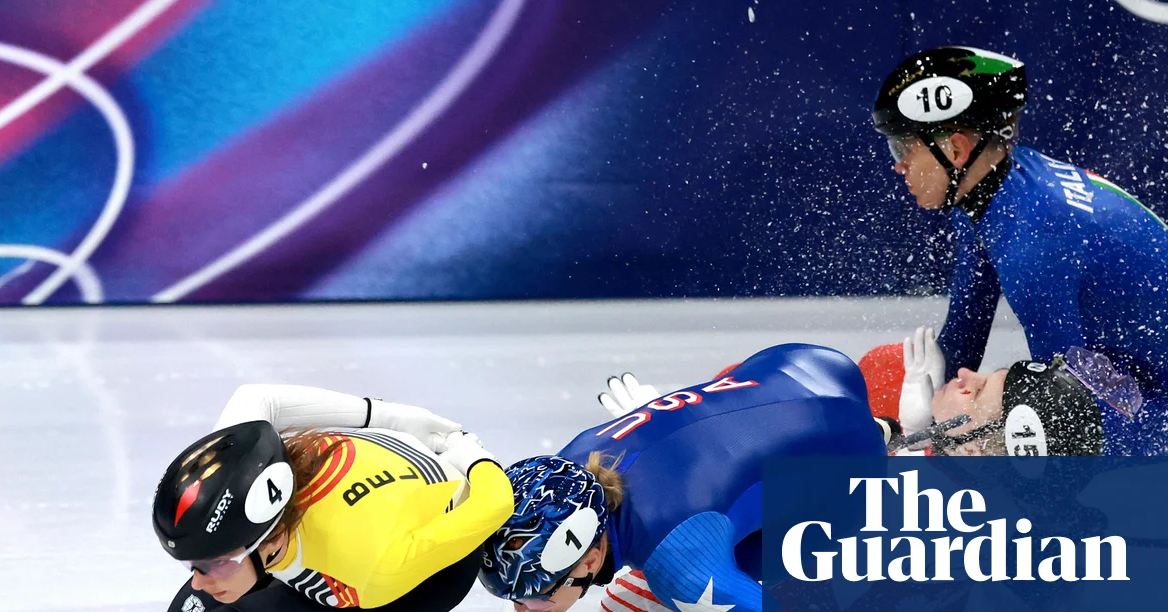
A dramatic accident at the Winter Olympics left a top speed skater hospitalized after a frightening crash on the ice. The incident unfolded during a high-stakes race that had already drawn global attention, as athletes pushed their limits in pursuit of Olympic glory. Spectators watched in stunned silence as the skater lost control at high speed and slammed into the protective barriers surrounding the track.
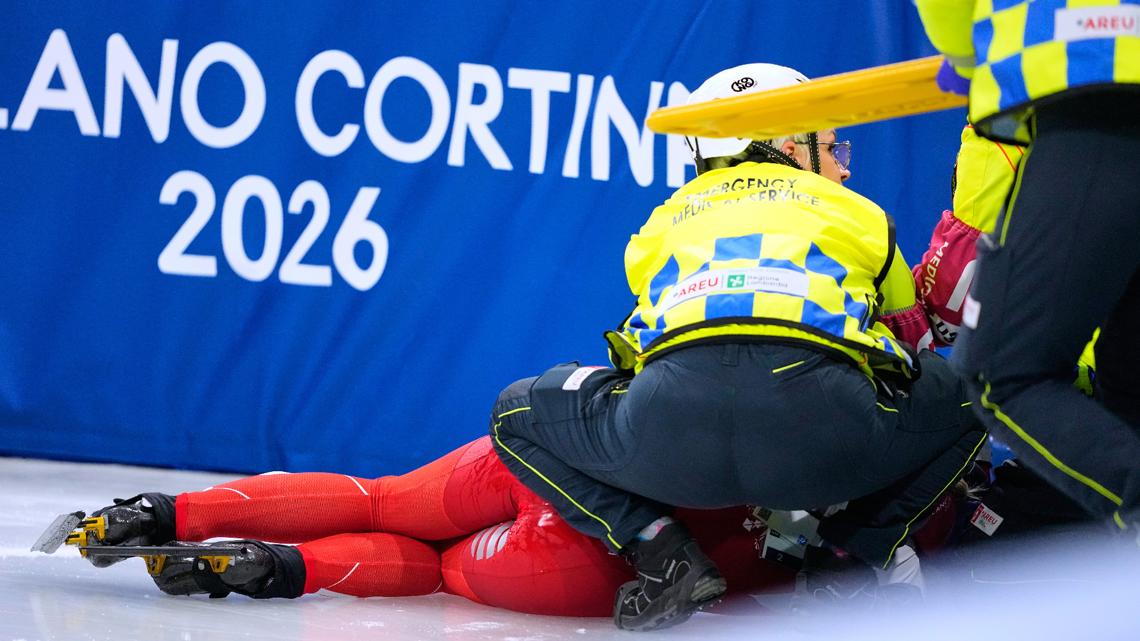
Medical teams rushed onto the ice within seconds. The athlete remained down for several tense moments while officials halted the competition. Fellow competitors, many visibly shaken, gathered nearby as paramedics carefully stabilized the injured skater before transporting them to a local hospital for further evaluation.
The Dangers of Elite Speed Skating
Speed skating is widely regarded as one of the fastest and most physically demanding events at the Winter Games. Athletes can reach speeds of more than 30 miles per hour, navigating tight corners on razor-sharp blades. At such velocities, even the slightest miscalculation can lead to devastating consequences. Despite extensive safety measures, including padded barriers and strict race regulations, crashes are an inherent risk in the sport. Ice conditions, split-second decisions, and intense competition all combine to create an environment where mistakes can happen in an instant. For many athletes, years of preparation hinge on a race lasting only a few minutes, adding immense pressure to perform flawlessly.
Immediate Medical Response
Event organizers confirmed that emergency protocols were followed without delay. On-site medical personnel assessed the athlete’s condition before making the decision to transfer them to hospital care. Early reports indicated that the skater was conscious while being treated, offering some reassurance to fans and teammates. Officials later stated that the athlete would undergo further tests to determine the extent of their injuries. While initial updates suggested the situation was serious, there was cautious optimism that the competitor would recover with proper medical attention.
Emotional Reactions from the Sporting Community
News of the crash quickly spread beyond the arena, prompting messages of support from across the sporting world. Athletes from various nations expressed their concern and solidarity, emphasizing the close-knit nature of the Olympic community. Social media platforms filled with well-wishes from fans who had been watching the race live. Coaches and team representatives described the moment as deeply unsettling. Many acknowledged that while elite competition carries risks, witnessing such a severe fall is always distressing. Some competitors admitted it was difficult to refocus on their own events after seeing a fellow athlete injured in such dramatic fashion.
The Mental and Physical Toll of Olympic Competition
The incident also highlighted the immense strain placed on athletes competing at the highest level. Preparing for the Olympics often involves years of rigorous training, strict discipline, and personal sacrifice. When an injury strikes on such a prominent stage, it can be both physically and emotionally devastating. Sports psychologists frequently note that recovery extends beyond physical healing. Athletes must rebuild confidence and overcome the fear of re-injury before returning to competition. For speed skaters, regaining trust in their technique and the ice surface is a crucial part of that process.
Looking Ahead
As the Games continue, attention remains focused on the injured skater’s condition. Event organizers have reiterated their commitment to athlete safety and pledged to review all aspects of the race to determine whether any additional precautions are necessary. For now, the priority is the athlete’s health and recovery. The dramatic crash serves as a sobering reminder of both the breathtaking excitement and the inherent danger that define the Winter Olympics.