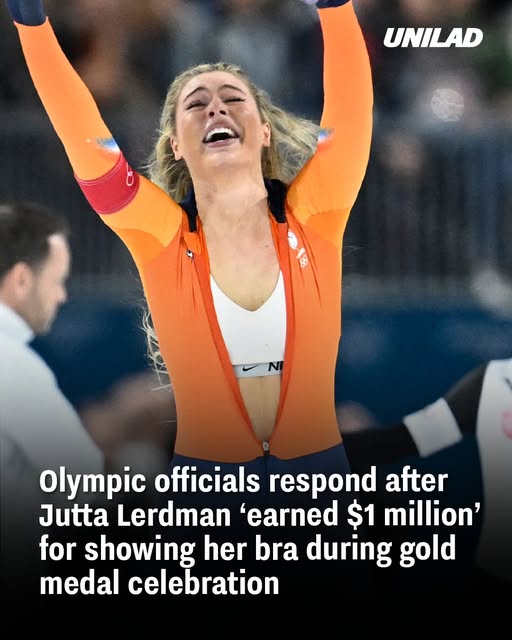
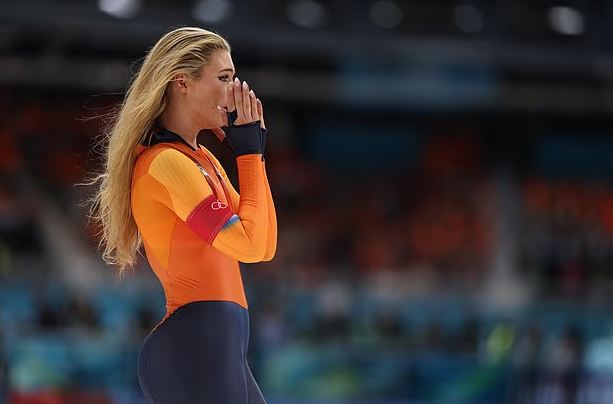
Dutch speed skating star Jutta Leerdam captured global attention after winning gold in the women’s 1000-meter event at the 2026 Winter Olympics in Milan-Cortina. Her performance was dominant, and she crossed the finish line in record-breaking fashion, securing one of the Netherlands’ most celebrated victories of the Games.
But while her athletic achievement was undeniable, it was her immediate post-race celebration that quickly became the focus of international headlines.
The Celebration That Went Viral
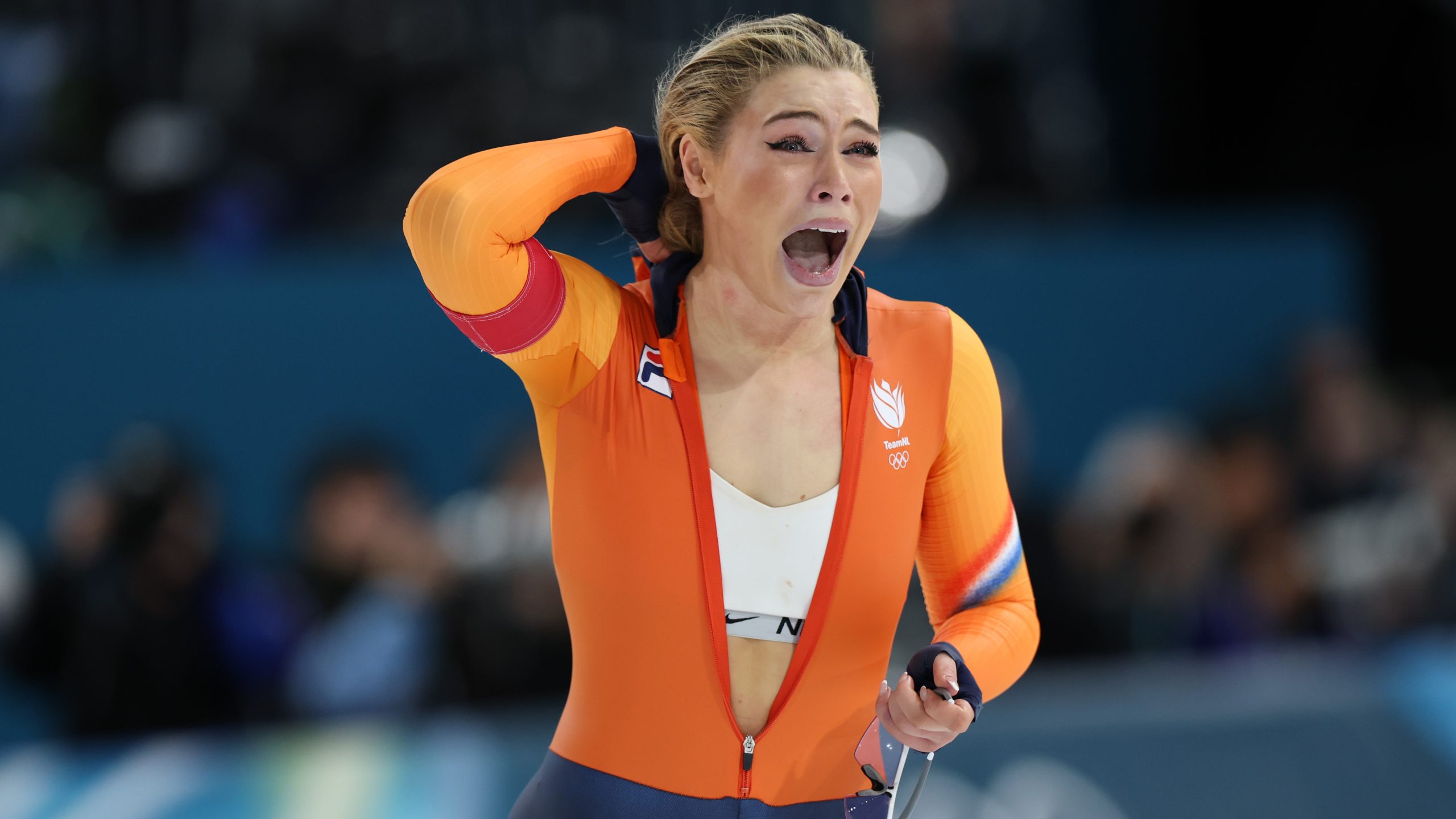
Moments after finishing, Leerdam unzipped her skin-tight racing suit — a common practice among speed skaters due to the restrictive nature of the aerodynamic gear. Underneath, she wore a white sports bra featuring the prominent swoosh logo of Nike. Photographs and video clips of the celebration spread rapidly across social media platforms, amplified further when Nike’s own social channels reshared the moment. Within hours, the images had reached millions worldwide. What might otherwise have been a fleeting emotional gesture quickly evolved into a debate about branding, sponsorship, and Olympic regulations.
Ambush Marketing Concerns
The controversy centered on the concept of “ambush marketing.” The Olympics maintain strict rules governing commercial visibility during the Games. Only official Olympic sponsors are permitted certain types of branding exposure, and athletes must comply with detailed advertising guidelines to avoid giving non-sponsoring brands undue visibility.
Since Nike is not an official top-tier Olympic sponsor, some commentators questioned whether the highly visible logo during such a celebratory moment violated regulations overseen by the International Olympic Committee (IOC). Marketing experts speculated that the viral nature of the moment could translate into significant brand value — with some estimates suggesting exposure worth hundreds of thousands of dollars, potentially approaching $1 million. The scale of global media attention fueled the perception that the moment may have been strategically beneficial for the brand.
IOC Responds
The IOC addressed the situation promptly. Officials clarified that Leerdam would not face any punishment or disciplinary action. According to the IOC, unzipping a speed skating suit after competition is standard behavior due to how tight and heat-retaining the suits are. They determined that there was no evidence the celebration was orchestrated as a marketing stunt. As a result, the moment did not breach Olympic advertising rules. The clarification effectively closed the regulatory question, though public discussion continued.
Celebrity Factor and Social Media Impact
The story gained additional momentum because of Leerdam’s public profile beyond sport. She has a large social media following and is engaged to influencer and professional boxer Jake Paul, who was seen celebrating emotionally in the stands. The combination of elite athletic success, viral imagery, and celebrity presence turned the moment into a crossover story that extended beyond sports media into entertainment and marketing discussions.
A Sign of Changing Times
The episode highlights how modern athletes operate at the intersection of sport, branding, and digital media. In today’s environment, even spontaneous celebrations can become global marketing moments within minutes. For Leerdam, however, the defining achievement remains her Olympic gold medal performance. While the branding debate generated headlines, her record-setting race ultimately stands as the true centerpiece of her success at the 2026 Winter Games.