

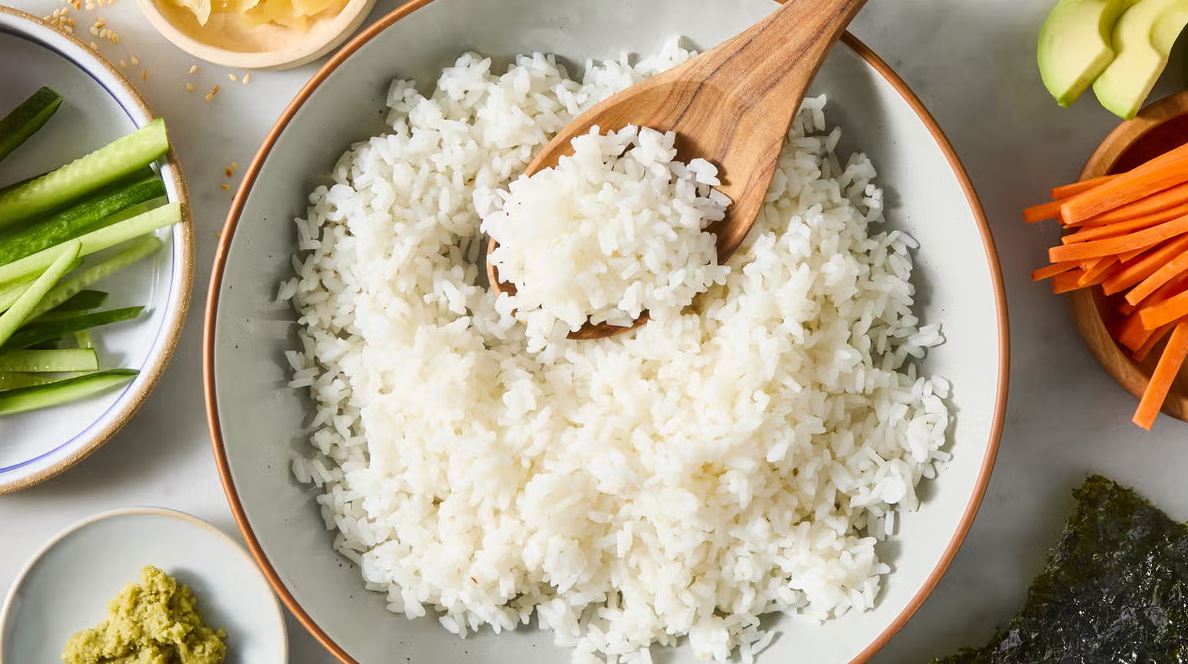
Cooked rice is a staple in kitchens around the world, loved for its versatility, affordability, and ability to pair with almost any meal. But if you’ve ever reheated leftover rice and noticed a strange smell or texture, there’s a reason and it has nothing to do with the quality of the rice itself. It comes down to food safety.
Every year, thousands of people get sick from foodborne pathogens that thrive in improperly stored rice. So before you toss leftover rice into the fridge next time, here’s what you should know to stay safe and avoid serious illness.
The Hidden Danger in Cooked Rice: Bacillus cereus
The main culprit behind spoiled cooked rice isn’t mold or a strange smell — it’s a heat-resistant bacterium called Bacillus cereus. This microorganism is commonly found in dry rice grains and in many other starchy foods. It forms spores that survive even after the rice is cooked. Once rice cools down after cooking, Bacillus cereus can begin to grow and produce toxins — especially if it stays at room temperature for an extended period. These toxins can trigger food poisoning with symptoms such as nausea, vomiting, abdominal cramps, and diarrhea within hours of eating contaminated rice. The tricky thing is that the toxins are heat-resistant. That means that even if you reheat the rice later, the toxin may still be present and dangerous, even if the rice smells or looks fine. That’s why proper handling is so important.
Why Leaving Rice Out Is Risky
When rice comes out of the pot it’s often warm, and if it sits on the counter for hours — especially in warm environments — this is the perfect breeding ground for bacteria. According to food safety experts, cooked rice should never be left at room temperature for more than two hours. Even rapid cooling isn’t enough if it stays warm too long. Bacteria multiply fastest between 40 °F (4 °C) and 140 °F (60 °C), which is known as the “danger zone” for food safety. If cooked rice sits in this temperature range for too long, Bacillus cereus spores can germinate, grow rapidly, and produce toxins. So tossing hot or warm rice directly into the fridge isn’t safe either. It can raise the internal temperature of the fridge and place the entire batch in the danger zone for longer.
The Correct Way to Cool and Store Cooked Rice
To store rice safely, you need to cool it quickly and keep it cold until you’re ready to reheat and eat. Here’s how:
- Rapid Cooling
- Spread it out — Transfer the hot rice into a shallow container or tray so it cools faster.
- Don’t pile it up — Thick layers of rice retain heat longer, giving bacteria more time to grow.
- Use ice or cold water — Some professional kitchens even stir ice into the rice briefly to speed cooling.
Refrigerate Quickly
Once the rice is no longer steaming and has cooled to around room temperature, place it in the fridge within one hour of cooking. Keep it at 40 °F (4 °C) or lower.
Label and Use Within a Safe Timeframe
Properly stored cooked rice will last in the refrigerator for about 3–4 days. If you’re not planning to eat it within that period, consider freezing it for longer storage.
Freeze for Longer Storage
Frozen cooked rice can be stored for up to one month. Portion it into meal-sized containers or freezer bags, squeeze out excess air, and freeze flat so it thaws quickly later.
Reheating Rice: Best Practices
When you’re ready to eat stored rice:
- Reheat it until it’s steaming hot all the way through; this helps kill any bacteria that may have grown.
- Avoid reheating rice multiple times. Only reheat the portion you plan to eat.
- If rice smells off, feels slimy, or has an unusual texture — discard it immediately.
The Bottom Line
Rice is a healthy, delicious staple — but it can become dangerous if stored incorrectly. The key safety takeaway is simple:
➡️ Cool cooked rice quickly, refrigerate within an hour, and never leave it at room temperature.
This small change in how you handle leftover rice could be the difference between a safe meal and a nasty bout of food poisoning. With the right approach, you can enjoy your rice again and again — safely.