
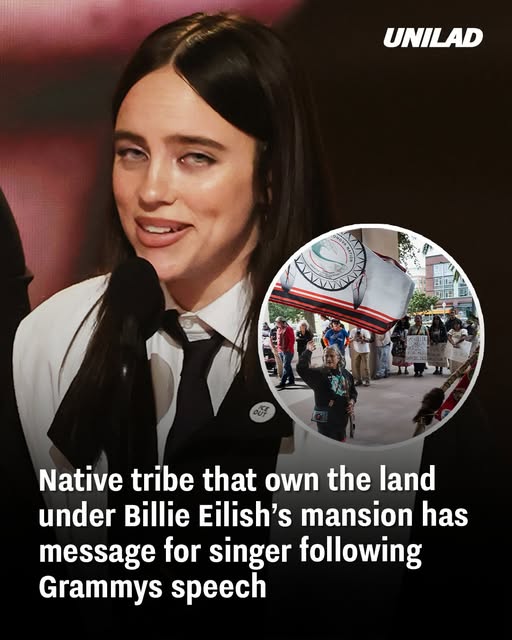
At the 2026 Grammy Awards, singer Billie Eilish used her acceptance speech for Song of the Year to deliver a political message that immediately sparked widespread attention. While thanking the audience, she chose to spotlight issues surrounding U.S. immigration enforcement. In her remarks, she declared that “no one is illegal on stolen land,” connecting her argument about immigrant rights to the broader history of colonization in North America. She and her brother, Finneas, also wore pins promoting the “ICE Out” movement, expressing resistance to the actions of *U.S. Immigration and Customs Enforcement (ICE).”
The speech concluded with a bold statement against ICE, which, according to observers, brought both applause and criticism. Her words were interpreted by supporters as a passionate plea for justice and solidarity with people affected by immigration policies, while critics saw them as an inappropriate political interjection at a music awards show.
Backlash and Public Debate
Social media and public commentary saw a split reaction. Many fans and fellow artists praised Eilish for using her platform to highlight serious issues like immigration enforcement, while others rebuked her for the abrasive language and political tone. Posts on forums underscored how polarizing the moment became, with some users applauding her activism and others accusing her of hypocrisy or “virtue signaling.” Amid the discussion, some commentators referenced specific ICE actions that had drawn national controversy, including enforcement operations and deadly incidents in Minneapolis. These events formed context for Eilish’s activism and why she chose to focus on immigration at the ceremony.
The Tongva Tribe’s Response
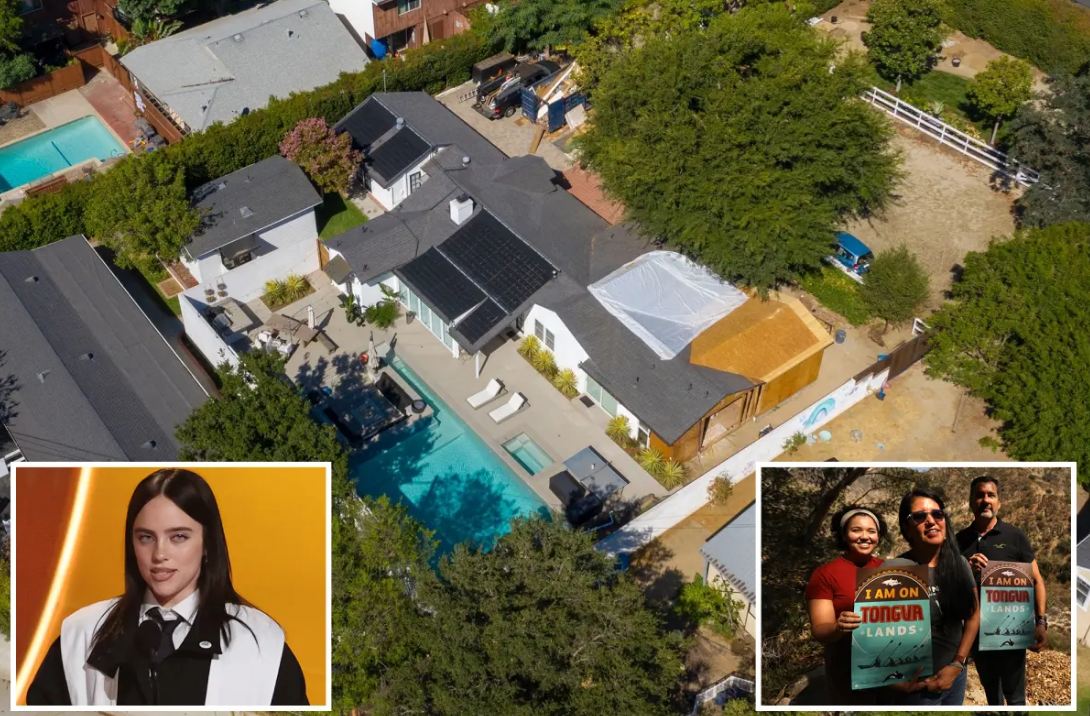
A particularly notable aspect of the reaction came from the Tongva people, a Native American group from the Los Angeles region whose ancestors originally inhabited the land where Eilish’s mansion now stands. After the Grammys speech went viral, a spokesperson for the tribe issued a statement acknowledging her remarks about “stolen land.” They expressed appreciation that a public figure was bringing attention to the history of Indigenous peoples in the United States. However, the tribe also clarified that Eilish had not reached out to them directly regarding her property or its historical significance. They said that while her comments helped raise visibility around Indigenous history, it would be meaningful if future discussions named the tribe specifically, so that the public better understands that the greater Los Angeles Basin remains Gabrieleno Tongva territory. This tribal response was framed as both respectful and educative: the Tongva wanted to ensure that recognition of historical injustices also properly honors the distinct communities affected by them.
Broader Cultural Conversations
The exchange between Eilish’s remarks and the Tongva tribe’s statement fed into larger cultural conversations about celebrity activism and responsibility. Supporters argued that celebrities have a powerful platform to shed light on important issues like immigration and Indigenous histories. Critics, however, argued that raising awareness without concrete action or deeper engagement with the communities involved can come across as superficial. Some online commentary also focused less on the political content of the speech and more on the perceived irony of living on land claimed as “stolen” while critiquing immigration enforcement without offering reparative steps. These discussions highlighted enduring tensions in debates over history, property, cultural acknowledgment, and social activism.
The Aftermath
In the days following the Grammys, the conversation continued across social media, news outlets, and comment boards. Debate ranged from debates over immigration policy to deeper questions about how artists should use their influence. Regardless of where individuals stood, Eilish’s speech had ignited a broad public dialogue about legacy, land, and advocacy that extended far beyond the awards stage.