
NASA has completed the first-ever medical evacuation of astronauts from the International Space Station (ISS) after one crew member developed a serious medical condition that could not be fully evaluated or treated in orbit. This unprecedented decision led SpaceX’s Crew-11 mission to return early to Earth, marking a major milestone in human spaceflight operations.
On January 14, 2026, the SpaceX Crew Dragon Endeavour carrying four astronauts undocked from the ISS and made a controlled descent, splashing down in the Pacific Ocean off the coast of San Diego early the next morning. Recovery teams quickly retrieved the capsule, and all four crew members were reported to be in stable condition.
Why the Mission Ended Early
The decision to bring the astronauts home was first announced on January 8, when NASA confirmed a medical concern involving one of the Crew-11 members. Although NASA has not released the identity of the affected astronaut or the specific medical condition due to privacy rules, officials have emphasized that the situation was not an immediate emergency in orbit and that the individual was stable but required more comprehensive care on Earth. NASA Administrator Jared Isaacman stated during a press briefing that the station’s medical equipment and crew resources, while advanced, could not provide the full range of diagnostics and treatment available on the ground. This led mission teams to plan an early return rather than risk potential complications.
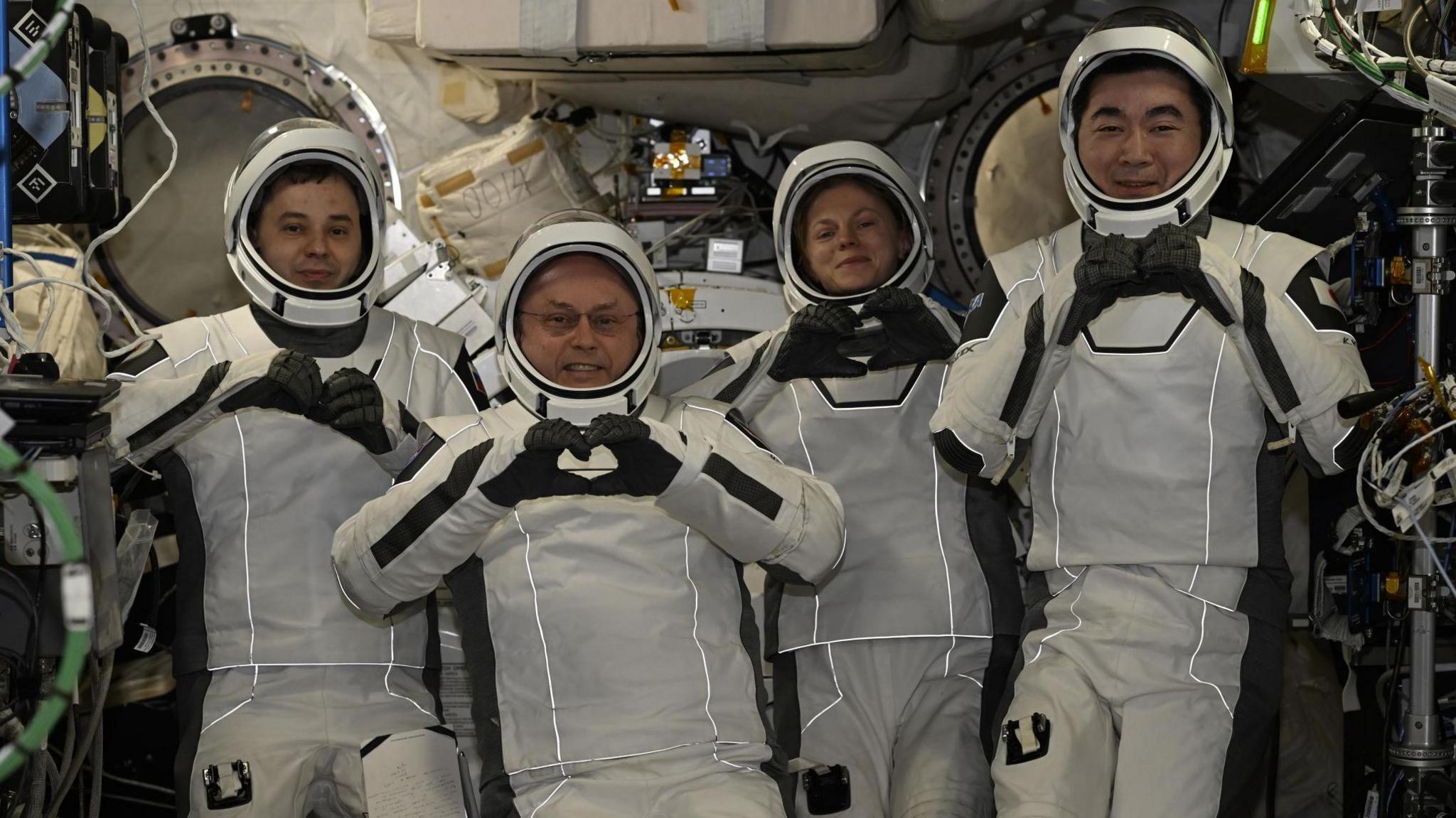
Crew-11: Who Returned Home
The Crew-11 astronauts who returned safely are:
Mike Fincke (USA) – Pilot and commander of the mission
Zena Cardman (USA) – Mission specialist
Kimiya Yui (Japan) – Astronaut
Oleg Platonov (Russia) – Cosmonaut
They launched to the ISS on August 1, 2025, and had been scheduled to complete a six-month mission conducting research and station maintenance. Instead, their mission lasted approximately 167 days before the early end.
Splashdown and Immediate Medical Attention
After splashdown, all four astronauts were escorted out of the Dragon capsule and transported to a hospital in San Diego for further evaluation. Officials described the post-landing checks as routine but thorough, with the crew expected to stay overnight before returning to the NASA Johnson Space Center in Houston, Texas to reunite with their families and begin standard post-flight rehabilitation. NASA’s chief medical officer explained that this multi-step medical evaluation is normal after long stays in microgravity, which can affect a range of bodily systems including cardiovascular, musculoskeletal, and immune responses.
Remaining ISS Crew and Operations
The early departure of Crew-11 has temporarily reduced the ISS crew. Currently aboard the station are:
- Chris Williams (NASA)
- Two Russian cosmonauts who arrived in November 2025
- These astronauts will continue critical science experiments and station maintenance until the next crew, Crew-12, is scheduled to launch no earlier than mid-February 2026.

Impact and Future Planning
This medical evacuation underscores NASA’s commitment to astronaut health and safety, a priority that often means ending missions early if necessary. Even with extensive onboard medical resources, some conditions require Earth-based diagnostics and care that cannot be replicated in microgravity. NASA officials also describe this event as an important learning opportunity for future deep-space missions. As space agencies plan longer expeditions to the Moon under the Artemis program and, eventually, to Mars, having robust medical protocols — and possibly trained physicians on board — may become increasingly important.
Final Notes on Crew Health
NASA has reassured the public that the affected astronaut’s condition is currently stable and that all returned crew members are being well cared for. The agency has also emphasized that this early return was precautionary and planned, not a sign of an on-station hazard or broader operational failure. This response reflects decades of experience and careful preparation for contingencies in human spaceflight — ensuring that astronaut well-being remains at the forefront of every mission decision.