

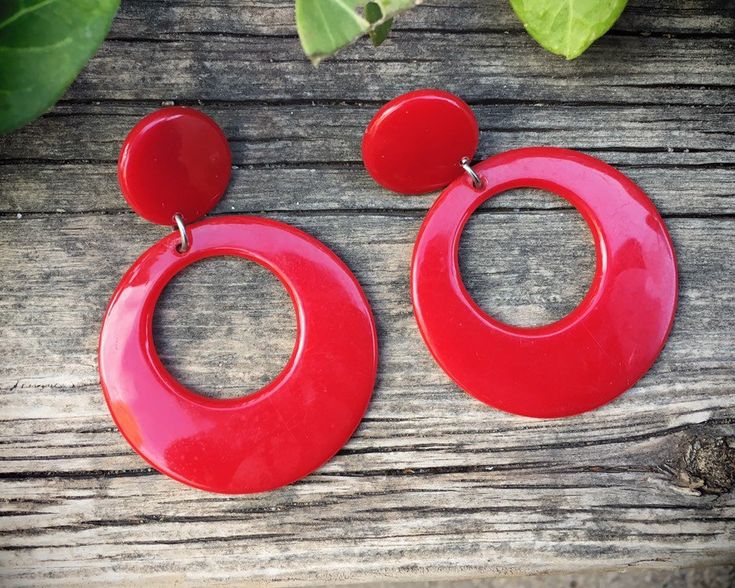
She handed me a small box with plastic earrings. At first I tried to act grateful I forced a smile and thanked her. Inside the box were cheap, flimsy earrings that looked more like costume jewelry than anything valuable. Meanwhile, I knew my sister-in-law had just received a sparkling diamond necklace as a gift. The contrast was glaring and painful. I couldn’t shake the sense that something wasn’t right.
When my husband saw the earrings, his face turned red. “How dare you, Mom?” he stormed. My mother-in-law tried to brush it off with a nervous laugh, but the truth was obvious. The message was clear: my sister-in-law was favored. I stood awkwardly, uncertain whether to speak up or stay silent. My heart sank.
Mixed Feelings and Surprising Revelation
I left the dinner feeling hollow, torn between humiliation and confusion. In private, I asked my husband if I had done something wrong — but he said the issue wasn’t me. It was the gift. Still, I couldn’t fully understand why the difference. Why had I been given something practically worthless, while my sister-in-law got something so valuable? Then, unexpectedly, everything changed. My mother-in-law asked me to come with her to the basement of her old house. My curiosity and unease battled — but I agreed. In the dim, dusty room she unlocked an old wooden chest: inside lay delicate vintage jewelry — heirlooms belonging to my husband’s ancestors — and an old diary. Sitting beside them was a small, ornate key. She told me that the plastic earrings I had received actually held that key. Unnoticed at first, the earrings hid a tiny key embedded in their design. Suddenly, the awful gift made sense. The plastic earrings were not meant to look valuable; they were a test — a tradition passed down through the family over generations. According to my mother-in-law, every bride who joined the family received a seemingly worthless gift that concealed the key to the real treasure. Now I was being entrusted with the family’s legacy, the heirlooms that had survived decades. They were mine to keep — and to pass on one day. I felt my chest tighten, my confusion replaced by a strange mix of surprise, pride, and gratitude.
From Hurt to Understanding
Looking at the old jewelry, admiring the intricate craftsmanship, and reading the diary — filled with memories of past generations — I felt a new connection. The heirlooms weren’t just jewelry. They were pieces of history, of family memories, of love and loss and resilience. The looped pattern on a locket, the faded engraving on a ring, the faint scent of age in the pages of the diary — all spoke of lives lived long before mine. In that moment, my resentment toward my mother-in-law morphed into understanding. Her gesture had seemed cold, even cruel, but now I realized it was rooted in tradition — a ritual wrapped in secrecy, designed to pass on something far deeper than gold or diamonds. The surface-level insult was intentional: to teach patience, humility, respect for heritage. The real gift was the recognition and responsibility of becoming a keeper of family history. My sister-in-law, who had received the diamond necklace, saw me unwrap the heirlooms. Instead of jealousy or anger, she smiled, quietly acknowledging what I had been given. There was relief in her eyes — she understood that the “big gift” for a future generation was entrusted to me. We shared a laugh, a knowing glance. The awkwardness melted away.

A Lesson Learned: More Than Meets the Eye
That day taught me a powerful lesson: appearances can be deceiving. What seems like favoritism, inequality, or even insult may hide something deeper, more meaningful. I learned to appreciate the subtlety of tradition, to value the stories behind objects, to respect hidden gestures of trust. Now, whenever I wear a simple pair of earrings — or hold one of those old heirlooms — I feel connected to generations before me. I feel like part of something larger, part of a lineage of women who carried memories, hopes, heartbreaks, and dreams. The plastic earrings — once a source of shame — became a symbol of responsibility, trust, and belonging. What began as a painful reminder of difference ended as a beautiful affirmation of legacy. I discovered that sometimes, the most precious gifts are not the flashiest — but the ones that carry the weight of history and the promise of continuing it.